At the WAIC 2026 expo, nearly every embodied AI robot demonstrating real-world tasks was enclosed within a protective barrier. Safety personnel kept their eyes glued to the same vulnerable spots: feet, flanks, and arm trajectories.
These three areas share a fundamental flaw—they all lie outside the FOV of the head-mounted primary camera, occluded by the robot’s own body.
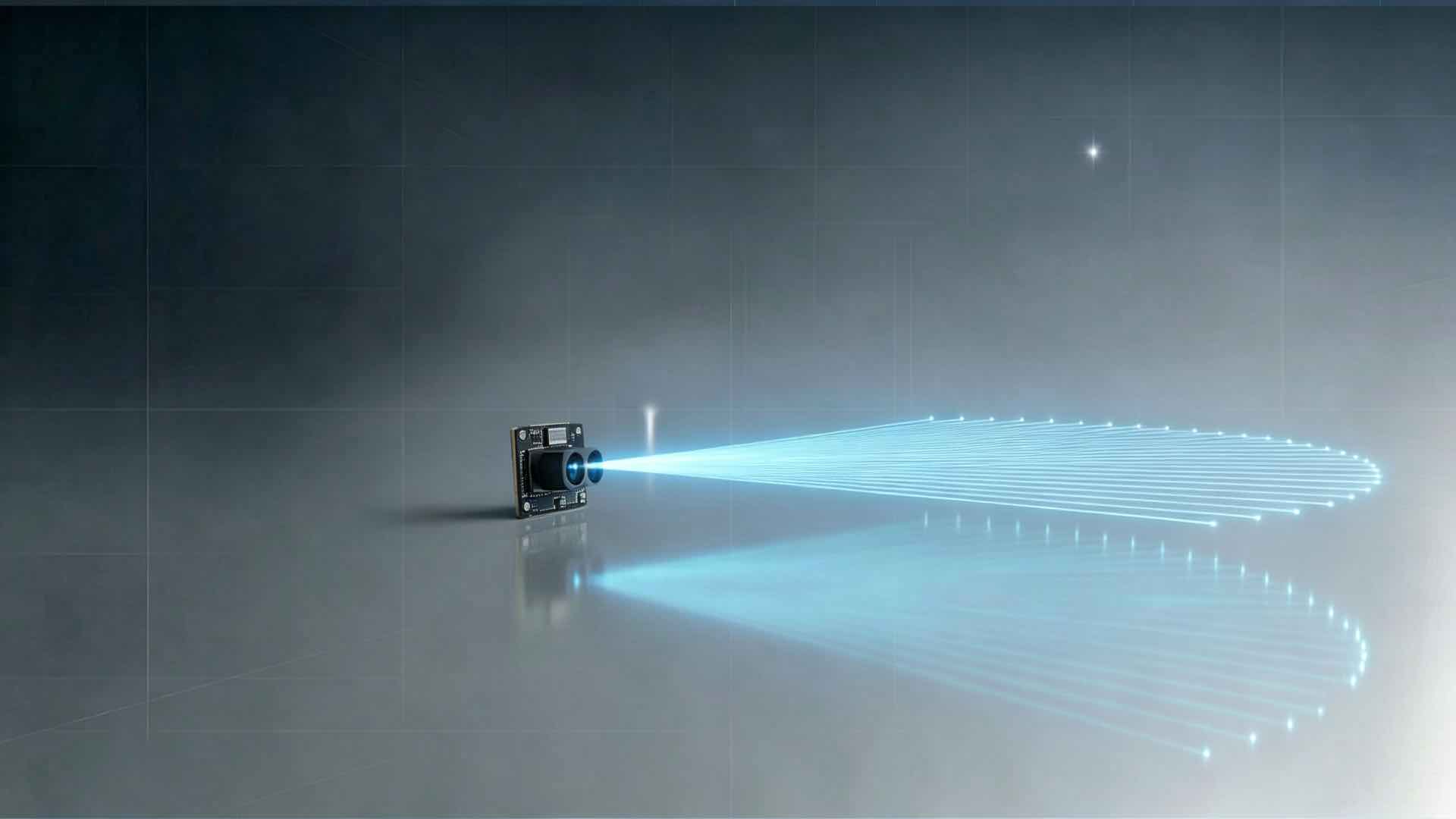
This is not a limitation of AI model capacity. Even the most advanced end-to-end model cannot infer spatial physics in areas occluded by the robot’s frame. This is a geometry problem. Yet, for a robot to walk autonomously among humans, it must first master this 5cm-to-1m proximity zone: Is there a drop-off under its feet when stepping forward? Is there a human beside its body when turning around?

The industry currently offers multiple approaches, each with distinct trade-offs.
Industry leaders like Tesla and Figure place vision, multimodal AI, and end-to-end learning at the core of their control architecture, attempting to use a unified neural network to handle all sensing and execution. While this approach offers indisputable value in scene understanding and generalizability, it fails to address two critical bottlenecks: body-occluded blind spots, and the massive compute overhead required for high-frequency, low-semantic spatial judgments (“Is an object nearby, and how far is it?”).
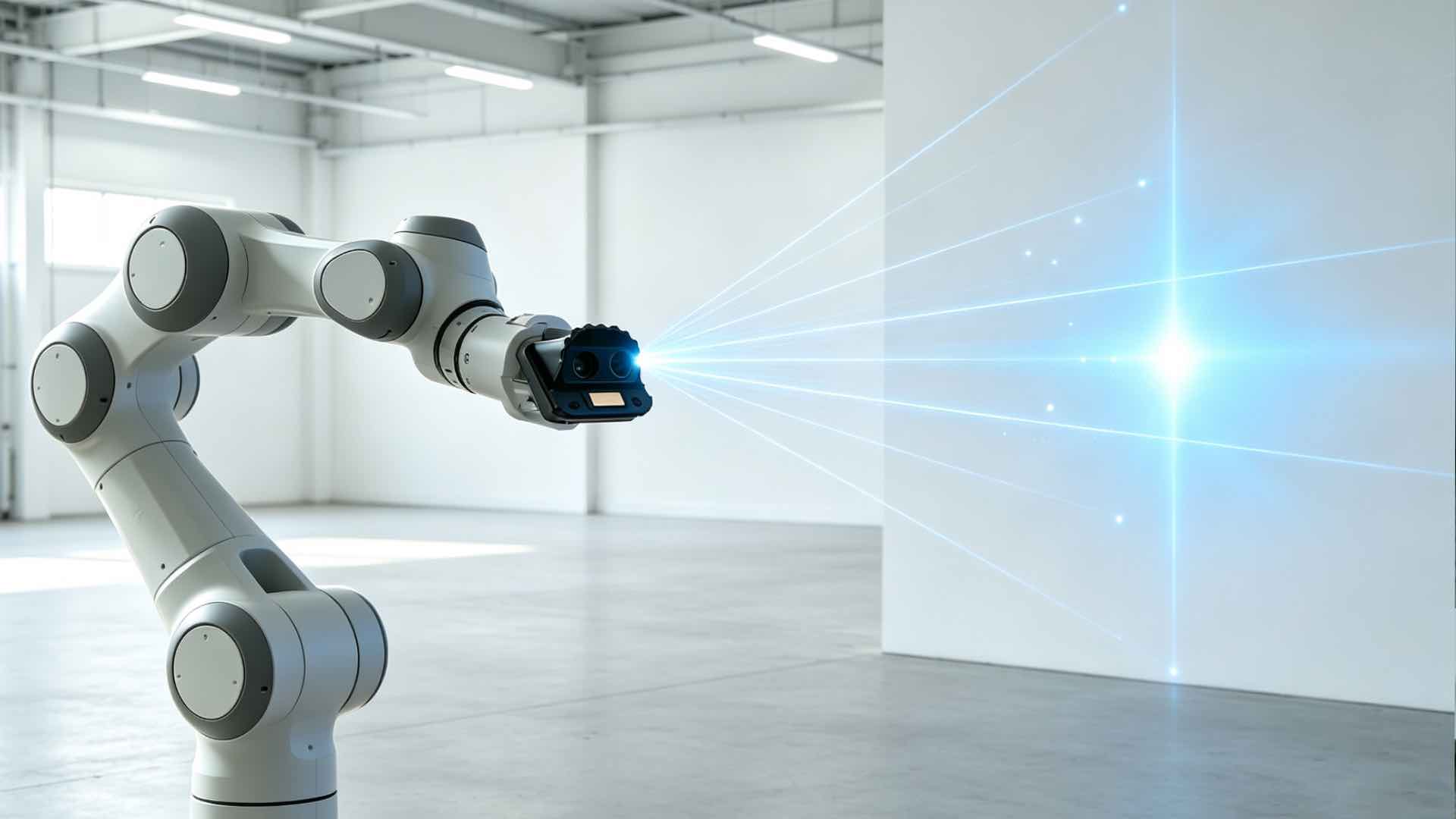
Thus, the architecture shifts toward a division of labor: The AI model handles high-level understanding and task planning, while an independent ranging pipeline guards the safety baseline at close range. Based on this deterministic input, low-level controllers handle real-time deceleration, evasion, or emergency stops.
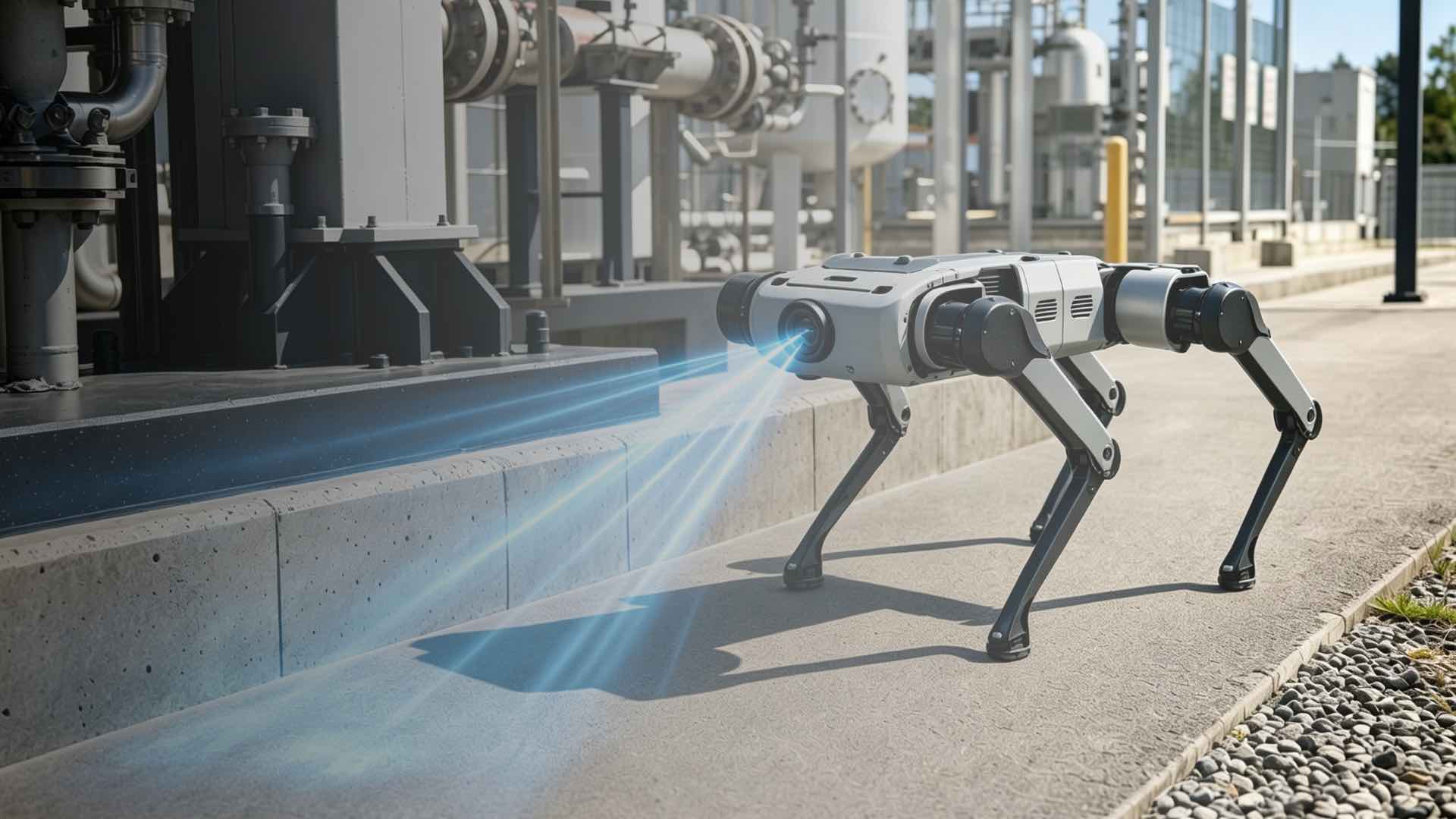
This independent safety pathway features a shorter execution loop, predictable response latency, and easily quantifiable failure modes—making it vastly easier to benchmark, validate, and certify for mass-production acceptance.

Comments