
 [IMG]http://i1228.photobucket.com/albums/ee451/runwin2/92695557.jpg[/IMG][IMG]http://i1228.photobucket.com/albums/ee451/runwin2/438844e8.jpg[/IMG][IMG]http://i1228.photobucket.com/albums/ee451/runwin2/7f13f927.jpg[/IMG]
[IMG]http://i1228.photobucket.com/albums/ee451/runwin2/92695557.jpg[/IMG][IMG]http://i1228.photobucket.com/albums/ee451/runwin2/438844e8.jpg[/IMG][IMG]http://i1228.photobucket.com/albums/ee451/runwin2/7f13f927.jpg[/IMG]
[IMG]http://i1228.photobucket.com/albums/ee451/runwin2/92695557.jpg[/IMG][IMG]http://i1228.photobucket.com/albums/ee451/runwin2/438844e8.jpg[/IMG][IMG]http://i1228.photobucket.com/albums/ee451/runwin2/7f13f927.jpg[/IMG]
You need to be a member of diydrones to add comments!

Comments
Well basically it just means it might be twitchy in pitch but who knows! if you don't build you never know and this way you can test change and test again.
You might have to be careful when rotating and flaring for prop strikes .The autopilot should be able to handle the pitch, might just be a handful in manual. How does it look in XFLR?
http://www.pprune.org/flight-testing/393595-short-coupled.html
http://en.wikipedia.org/wiki/Pilot-induced_oscillation
I think he means literally the fuse looks short based on the length you said will be sticking out the backside. But you did say "about"... I have one in the works and will be watching your build closely...
gary can you explain what you mean please?
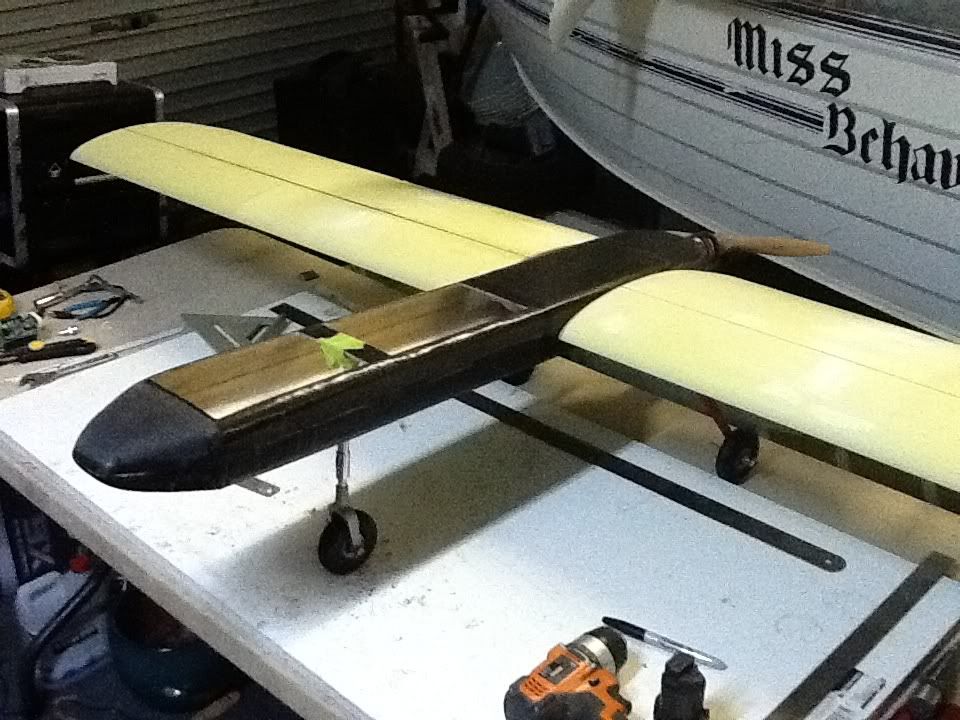
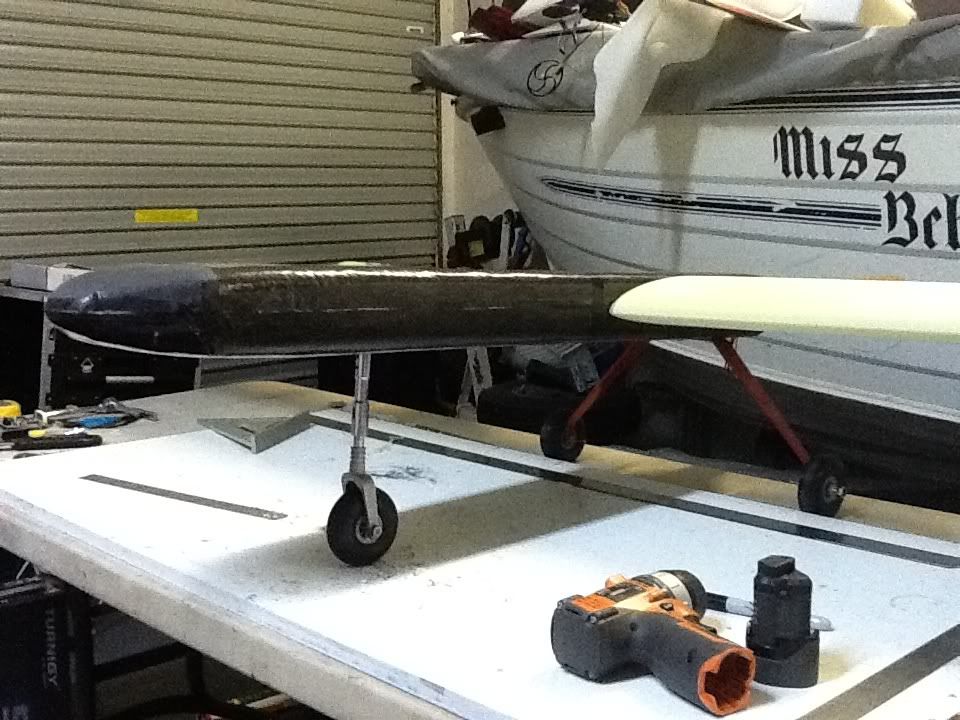
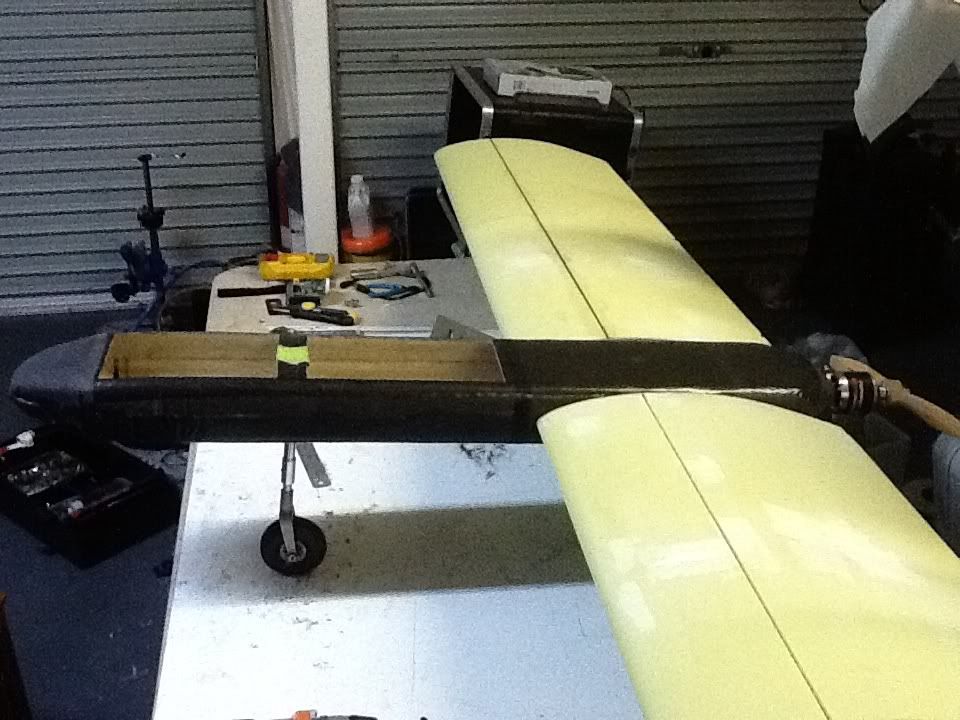
I would say it looks a little short coupled but time will tell.
thanks for the comments, the plane will have a pusher style H tail of about 1 metre long in length sticking out the back which should balance it all up (visually and CG wise). Also the plane is to carry approx 1kg payload of camera out in front of the landing gear.
ah yes. all good. that will be fine then :)
like the boat :)