Kurokesu’s new C3-462 cameras put Sony’s starlight IMX462 sensor into either USB-C or 4-lane CSI-2 variants, with a choice of CS-mount or M12/M12L lenses boards. Full-HD at 120 fps plus roughly double the visible-light gain and even greater NIR reach over IMX290 means low-light conferencing rigs, tele-operated robots, Pi/Jetson edge-AI nodes, deep-NIR defect inspection, ALPR gates, and IR biometric terminals all run on the same platform.
Details: https://www.kurokesu.com/main/2025/05/28/imx462-in-c3-family-details/
All Posts (11068)
Sort by
In the competitive real estate market, high-quality visual content is key to attracting potential buyers. As drone technology becomes more prevalent, aerial photography has become a powerful tool to showcase the full picture of a property, providing customers with a unique perspective.
As a professional-grade drone, the Autel EVO II Pro V3 is an ideal choice for real estate photography with its superior 6K camera, long flight time, and smart features. This article will explore the advantages of the Autel EVO II Pro in real estate photography, application scenarios, and how to use its features to create impressive real estate pictures and videos.
Why choose the Autel EVO II Pro for real estate photography?
The Autel EVO2 Pro V3 is a folding drone designed for professional photography and video recording. Its powerful hardware and software features make it stand out in the field of real estate photography. Here are its main advantages:
1. Ultra-high-definition 6K camera to capture exquisite details
Camera specifications: Equipped with a 1-inch Sony IMX383 CMOS sensor, it supports 20MP still photos (5472 x 3648) and 6K video (5472 x 3076, 30fps) or 4K 60fps recording, with a bit rate of up to 120Mbps.
Adjustable aperture: The adjustable aperture from f/2.8 to f/11 adapts to different lighting conditions, ensuring clear and colorful images when shooting in the early morning, evening or cloudy days.
8-bit A-Log: Supports 8-bit video and 12-bit raw photo recording, which can capture up to hundreds of millions of colors, providing greater flexibility for post-production color grading and presenting professional-level image quality.
HDR mode: Automatic exposure bracketing (AEB) and HDR imaging functions ensure that details in high-contrast scenes (such as bright sky and shadow areas) are preserved, perfectly showcasing the appearance of the property.
Real estate applications: 6K ultra-high-definition resolution makes every detail of the property - from roof texture to garden landscape - clearly visible. Customers can check details by zooming in on the image without losing image quality, which enhances their purchasing confidence.
2. Ultra-long battery life, covering large properties
Flight time: Officially rated at 40 minutes, about 33-35 minutes in actual environment, leading similar folding drones.
Transmission distance: SkyLink 2.0 technology supports 9 kilometers (FCC standard) HD video transmission, 1080p real-time picture stability, ensuring long-distance shooting without delay.
Real estate applications: Long battery life is suitable for shooting large estates, community panoramas or multiple building complexes. Without frequent battery replacement, photographers can complete multi-angle shooting at one time, improving efficiency.
3. Omnidirectional obstacle avoidance and intelligent flight mode
360° obstacle avoidance: Equipped with 19 sets of sensors (12 visual sensors, ultrasonic, IMU, etc.), it realizes omnidirectional obstacle perception and avoids collisions in complex environments (such as trees and buildings).
Smart Mode:
Dynamic Tracking: supports tracking people or vehicles, suitable for shooting the surrounding environment of the property or dynamic promotional videos.
Waypoint Flight: preset flight path, automatically complete surround or grid shooting, suitable for making smooth community aerial videos.
Hyperlapse Photography: supports 6K hyperlapse mode, captures dynamic light and shadow effects such as sunrise and sunset, and adds artistic sense to real estate videos.
Automatic Return: Automatically returns when low battery or signal loss, and the bottom binocular vision camera generates a depth map to ensure accurate landing.
Real Estate Application: Omnidirectional obstacle avoidance allows novices to operate safely, and the smart mode simplifies complex shooting tasks. For example, surround shooting can show the panoramic view of the property, and dynamic tracking can highlight surrounding facilities (such as parks and lakes) to enhance the attractiveness of the video.
4. No geo-fence restrictions, flexible operation
No mandatory geo-fence: Unlike DJI drones, Autel EVO II Pro does not enforce no-fly zones. It will warn about controlled airspace before flight, but puts the compliance responsibility on the pilot, which is suitable for operation in licensed commercial airspace.
Portable design: The folded size is 4.5 x 4.3 x 9.0 inches and weighs 1.187 kg, making it easy to carry to different shooting locations.
Real estate applications: No geo-fencing reduces shooting interruptions caused by software limitations, especially suitable for real estate projects in cities or near airports. Portability allows photographers to quickly deploy and cope with multiple shooting tasks.
5. High-gloss orange body and professional controller
High visibility: The bright orange body is eye-catching in the blue sky or green land, easy to visually track, and reduces the risk of loss.
Smart Controller SE: Built-in 6.4-inch 2000 nit screen, clearly visible under direct sunlight, support for third-party applications, and intuitive operation. The controller battery supports about 3 drone flights, and 110GB internal storage facilitates data management.
Real estate applications: The high-gloss body is suitable for complex outdoor environments, and the professional controller reduces dependence on mobile phones and improves shooting efficiency, especially in remote areas or scenes with weak signals.
Autel EVO II Pro's practical application in real estate photography
Real estate photography needs to show the property's external structure, surrounding environment and unique selling points. Here are the performances of Autel EVO II Pro v3 in common scenarios:
1. Residential and villa photography
Aerial panorama: Use a 6K camera to shoot from an altitude of 100-200 meters to capture the full view of the house and surrounding landscapes (such as gardens and swimming pools). HDR mode ensures balanced exposure between the sky and the ground to avoid overexposure or dead black.
Low-altitude details: Adjust the aperture to f/8-f/11 to shoot roofs, windows or exterior wall textures to highlight the construction craftsmanship. 20MP photos support post-enlargement to meet customers' detailed inspection needs.
Video promotion: Use the waypoint flight mode to preset the path around the house to generate smooth 4K 60fps videos to show the spatial layout and environmental atmosphere.
Case: When shooting a suburban villa, the photographer used the 6K hyperlapse mode to record the changes in sunset light and shadow, combined with dynamic tracking to shoot the surrounding lake view, to produce an impressive promotional video to attract high-end buyers.
2. Large estates and commercial properties
Wide-area coverage: 40 minutes of battery life supports shooting of multi-hectare estates or commercial parks, and 9 km transmission distance ensures stable long-distance monitoring images.
Community panorama: Automatic exposure bracketing (AEB) synthesizes 48MP HDR images to show community roads, green spaces and facilities, highlighting the advantages of the living environment.
Night scene shooting: NIGHTBEAT mode and high ISO (up to 12800) combined with moonlight algorithm to capture night lighting effects, suitable for shooting night scenes of commercial buildings or luxury residences.
Case: When shooting for a commercial park, the photographer used waypoint flight to cover the entire park, 6K video clearly presents the layout of the building complex and parking lot, and HDR photos highlight the night lighting effects to enhance the attractiveness of the property.
3. Plots and development projects
Terrain display: Shoot the entire plot from high altitude, combined with 3x lossless zoom (maximum 8x digital zoom), highlighting terrain features or surrounding traffic advantages.
Development progress record: Regularly shoot to generate time-lapse videos to show construction progress and attract investors. 6K resolution supports post-cropping to preserve key details.
Mapping assistance: Although not an RTK model, EVO II Pro's automatic flight modes (waypoints, grids) support basic mapping, and the use of ground control points (GCPs) can meet non-high-precision needs.
Case: When shooting a suburban plot, the photographer used the grid flight mode to generate a panoramic view of the plot, and the 20MP photos were used to produce a marketing brochure to clearly show the terrain and surrounding facilities, helping the developer negotiate.
Tips for optimizing real estate photography
To fully realize the potential of Autel EVO II Pro, here are some practical suggestions:
Plan the shooting time:
Golden hour: 30 minutes after sunrise or before sunset, use soft light to enhance the texture of the property and avoid shadows caused by strong midday light.
Night scene shooting: Enable NIGHTBEAT mode and set a high ISO (such as 6400) to capture the lighting effects of the community and highlight the atmosphere of high-end properties.
Optimize your camera settings:
Photos: Use RAW format and AEB mode to synthesize HDR images to ensure balanced sky and ground details.
Video: Shoot 4K 60fps for smooth editing, or 6K 30fps for scenes that need to be cropped; enable A-Log mode to preserve space for post-production color grading.
Aperture: Use f/5.6-f/8 for best sharpness outdoors, and open to f/2.8 in low-light environments.
Take advantage of smart features:
Waypoint flight: Preset a surround path to shoot a panoramic video of the property to highlight the sense of space.
Dynamic tracking: Track vehicles or pedestrians to show surrounding living facilities (such as schools and shopping malls).
Hyperlapse: Record the changes in light and shadow to create an engaging promotional video.
Comply with regulations:
In the United States, EVO II Pro must be registered with the FAA ($5, valid for 3 years). Commercial use requires a Part 107 license.
Check local airspace restrictions to ensure compliance, especially near cities or airports.
Post-processing:
Process RAW images with Adobe Lightroom or Photoshop to adjust exposure and color to highlight property features.
Edit 6K videos with DaVinci Resolve or Premiere Pro and add subtitles or music to create professional promotional videos.
Customer feedback and market recognition
Users and professional reviews agree on the performance of Autel EVO II Pro in real estate photography:
Customer reviews: Best Buy users call it "great for real estate photography", easy to operate, and impressive 6K video and 20MP photo quality.
Professional reviews: XRTech Group points out that its 6K camera and 40-minute flight time make it a "strong choice" for real estate photography, especially for large properties and panoramic photos.
Market positioning: Aryeo blog calls it "the best choice among non-DJI drones", with image and video quality comparable to top competitors.
Conclusion
Autel EVO II Pro is an ideal tool for real estate photography, combining a 6K ultra-high-definition camera, 40 minutes of battery life, 360° obstacle avoidance and a geo-fence-free design to provide photographers with a flexible and efficient shooting experience. Its outstanding performance in residential, commercial real estate and land photography can help real estate agents showcase the unique charm of the property and attract more potential buyers. Whether shooting a panoramic view of a villa, a night view of a community or the progress of a development project, EVO II Pro can deliver professional-level results.
Drone technology has rapidly transformed how we observe and interact with the world. From agricultural monitoring to film production, these unmanned aerial vehicles (UAVs) now play critical roles across industries. This article explores drone fundamentals, operation guidelines, real-world applications, and future trends.
Understanding Drone Basics
Drones fall into two primary categories: fixed-wing and multi-rotor. Fixed-wing drones excel in long-range missions due to extended flight times. Multi-rotor models prioritize agility, making them ideal for photography or precision tasks.
Core Components
A typical drone includes:
Flight control systems for stability
Motors and propellers for propulsion
High-resolution cameras and sensors
GPS modules for navigation
Communication systems for real-time data transfer
How Drones Work
Drones rely on aerodynamic principles. Rotor adjustments control ascent, descent, and directional shifts. Advanced models use GPS and AI for automated flight paths and obstacle avoidance.
Operating Drones Safely
Follow these steps to ensure safe and efficient drone use:
Pre-Flight Preparation
Charge batteries fully
Inspect propellers for damage
Update firmware and software
Verify local flight regulations
Flight Checklist
Calibrate sensors and GPS
Confirm stable connection between controller and drone
Choose manual or automated flight modes
During Flight
Maintain visual line of sight
Monitor battery levels and weather changes
Avoid restricted airspace (e.g., near airports)
Post-Flight Actions
Clean lenses and sensors
Store batteries at recommended charge levels
Review flight logs for improvements
Drone Applications Shaping Industries
Agriculture & Environmental Monitoring
Drones equipped with multispectral cameras detect crop stress, optimize irrigation, and map land use. Farmers reduce costs by 30% through targeted pesticide spraying.
Media & Film Production
Aerial cinematography captures dynamic angles for movies and documentaries. Drones replace costly helicopter shoots while ensuring crew safety.
Disaster Response
Thermal imaging drones locate survivors in earthquakes or wildfires. Rescue teams cut search times by 50% in complex terrains.
Logistics Innovation
Companies like Amazon and Zipline use drones for contactless deliveries. Rural areas benefit from rapid medical supply transport.
Regulations Governing Drone Use
Key global rules include:
Maximum altitude limits (400 feet in the U.S.)
No-fly zones near critical infrastructure
Mandatory registration for drones over 250 grams
Privacy laws prohibiting unauthorized surveillance
The Future of Drone Technology
AI Integration: Autonomous drones will perform complex tasks like infrastructure inspections.
5G Connectivity: Ultra-low latency enables real-time data streaming for emergency services.
Hybrid Designs: Vertical takeoff fixed-wing drones will merge endurance with versatility.
Eco-Friendly Models: Solar-powered drones aim to reduce carbon footprints.
DEFNOCO batteries have the characteristics of high energy, low internal resistance, and low temperature rise. They can be used continuously under natural heat dissipation conditions. You can continue charging and working on the machine without waiting for heat dissipation. This makes the battery more stable and reliable in long-term operations.
DEFNOCO batteries support high-rate continuous charging and discharging, which can provide stronger power support for drones.
If you’ve spent any time flying drones in Australia — or just talking to people who do — you’ve probably heard a few “facts” that aren’t quite true. Some of them are based on old rules. Others are just plain wrong. The truth is, CASA (Australia’s Civil Aviation Safety Authority) has clear and evolving regulations, but the rumour mill often overshadows reality.
Whether you’re flying for fun, filming for clients, or thinking about becoming a licensed drone operator, it pays to know what’s real and what’s myth. So let’s dive into five of the most common misconceptions about legal drone flying in Australia — and what you should know instead.
Myth 1: “I don’t need to register my drone if I’m just flying for fun.”
This used to be true, but not anymore. Since 2020, CASA requires all drones over 250g to be registered — even if you're flying recreationally. That includes popular models like the DJI Mini 3 Pro (which skirts under the weight) but excludes most larger drones used for content creation or FPV freestyle.
Registration is quick, inexpensive (free for recreational flyers), and tied to your aviation reference number (ARN). If you're flying an unregistered drone that should be registered, you could face fines — even if you're just cruising over a paddock.
Myth 2: “It’s illegal to fly over people — always.”
This is one of the most repeated myths — and one that gets thrown around a lot in forums and Facebook groups. While the standard CASA rules do prohibit flying directly over people, there are official pathways that allow this under certain conditions.
For example, certified commercial operators can apply for an Operations Over or Near People (OONP) exeption to conduct flights over or near people safely. This is especially relevant for filming events, construction sites, or public locations where crowds are unavoidable. The process is complex, but it’s entirely legal — and many production companies rely on this kind of approval for their work.
So while the default answer is “no,” with proper planning and documentation, the real answer is “yes, under the right conditions.”
Myth 3: “If I stay under 120 metres, I can fly anywhere I want.”
This one is dangerously misleading. While 120 metres is the maximum altitude for most drone flights in Australia, it’s just one of several airspace rules. Even at low altitudes, you can’t fly near controlled airspace, airports, helicopter pads, or other restricted areas — including national parks, prisons, and emergency scenes.
For example, if you’re filming near Sydney Harbour, you’ll be inside some of the most restricted airspace in the country. Without proper approvals, even flying at 30 metres could land you in legal trouble. That’s why it’s essential to check apps like CASA’s “Drone Fly” or third-party tools like OpenSky or AirMap before every flight.
Myth 4: “Private property means private rules.”
Another common misconception is that if you’re flying on or from private land — like your backyard or a friend’s farm — you’re exempt from CASA regulations. Not true. CASA's authority covers all Australian airspace, regardless of land ownership. If your drone leaves the ground, it’s part of the national airspace system.
This means even if you have full permission from the landowner, you still need to follow CASA rules: no flying over people, no night flights without authorisation, no flying near restricted zones, etc. The only way to gain more operational flexibility is by getting licensed and operating under an OC with specific authorisations.
Myth 5: “Once you have your RePL, you can do anything.”
The Remote Pilot Licence (RePL) is a great first step if you want to fly drones commercially in Australia. But it’s not a magic ticket to unlimited airspace. To fly for clients, you'll also need to work under an Operator’s Certificate (OC) — either your own or someone else's. On top of that, special operations like flying at night, flying beyond visual line of sight (BVLOS), or flying over people each require their own separate approvals.
For example, if you want to legally fly over people at an event or in a public space, you’ll need to submit a risk assessment and apply for an OONP — which is not covered by your RePL alone. This distinction is where many new operators get caught out.
Bonus Myth: “It’s all too hard.”
A lot of hobbyists give up on the idea of commercial work or more advanced flying because they assume the paperwork is impossible. In reality, CASA’s systems are improving every year, and the drone industry in Australia is more supportive and structured than ever before. There are clear steps you can take to become licensed, gain approvals, and fly professionally — you just need the right guidance and a bit of patience.
Companies like Flying Glass regularly assist with complex shoots in controlled areas, applying for OONPs and other authorisations as part of their day-to-day work. If you’re passionate and committed, there’s a path for you too.
Final Thoughts
Understanding Australia’s drone laws might seem overwhelming at first, but once you strip away the myths, it becomes a lot more manageable. If you’re ever unsure about what’s allowed — don’t guess. Take a few minutes to check CASA’s rules, or speak to a certified operator.
The sky isn’t the limit — but it is regulated. Fly smart, fly safe, and you’ll find plenty of opportunity out there, no matter your level of experience.
Drone technology has democratised cinematography. What once required a helicopter and a six-figure budget can now be attempted with a sub-$2K rig and some courage. But while the tools are accessible, the results often fall short — especially in indie films and DIY productions.
As a Sydney Drone Operator working on everything from network TV series to big-screen productions, we’ve seen (and fixed) just about every common drone filming mistake. If you're an indie filmmaker looking to level up your aerial footage, here are five key things that go wrong — and what to do about them.
1. Thinking a Drone Equals a Good Shot
Just because your drone is in the air doesn’t mean you’re capturing anything useful. One of the biggest mistakes we see? Random, meandering flyovers that add little to the narrative. In cinematic storytelling, every shot must have intent — including aerials.
✅ Fix:
Plan each drone shot as part of the edit. Storyboard it. Know your start and end frame. Think like a Steadicam operator in the sky.
2. Underestimating How Hard It Is to Fly Smoothly
We get it. You’ve logged a few hours on your Mavic in the park and think you’ve got this. But flying smoothly — in a controlled arc, with proper speed ramps, minimal gimbal jitter, and a locked horizon — is much harder than it looks.
✅ Fix:
Use tripod or cine mode, and practice with dual-operator controls if available. If your shot requires tight movement through foreground or syncing with talent/action, hire someone who does this daily.
3. Choosing the Wrong Time of Day
So many DIY drone shots are ruined before takeoff — simply by flying at midday under harsh Aussie sun. You get flat, blown-out highlights and muddy colours. Magic Hour isn’t just a buzzword; it’s a necessity.
✅ Fix:
Fly early morning or late afternoon. Use apps like Sun Surveyor or Helios to plan your light. And if you must shoot midday, ND filters are non-negotiable.
4. Shooting for Social, Not for Screen
There’s a big difference between a 15-second vertical drone shot for Instagram and a cinematic wide shot for a feature film. One is fast and flashy. The other needs pacing, intention, and clarity of subject.
✅ Fix:
Frame for the story, not for the spectacle. Don’t be afraid to slow it down. The best drone shots often sit in the edit longer than most handhelds.
5. Flying Without Permissions or Proper Risk Assessments
You know that shot over the crowd at the beach? Or the drone zipping down a city street at sunset? You might pull it off — once. But when a producer wants to license your footage, or worse, when CASA comes knocking, things unravel fast.
✅ Fix:
Understand the rules. If you’re operating in controlled airspace, near people, or commercially, you’ll likely need a RePL and an Operator's Certificate. Or better yet — work with a team that already has that covered.
(Like us. We’re fully certified and fly legally in controlled and restricted zones across Australia — often where others can’t.)
Bonus Tip: The Best Shot Is Often the One You Don’t Fly
Sometimes restraint is the mark of a professional. Don’t default to the drone. Use it when it elevates the emotion or advances the narrative — not just because you brought it.
Final Thoughts
Drones are a powerful storytelling tool — but only in skilled hands. If you're a filmmaker wanting your next project to look polished, cinematic, and legal, take the time to plan your aerials. And when you're ready to bring in the big guns, connect with a Sydney Drone Operator who lives and breathes this stuff.
Because great drone cinematography isn't about flying — it's about filmmaking.
Energy-motor synergy drives modern electric systems, where battery energy density and motor efficiency jointly define performance limits. The impact of energy density on range and load capacity remains pivotal, but true innovation emerges when these metrics align with motor dynamics. Let’s dissect how this synergy shapes drones, EVs, and beyond.
Energy Density: The Range-Load Catalyst
Defining the Core Metric
Energy density (Wh/kg or Wh/L) measures how much power a battery stores relative to its size or weight. High-density cells, like lithium-ion packs exceeding 300 Wh/kg, revolutionize load management—enabling lighter systems without sacrificing runtime.
Range-Load Balancing Act
The impact of energy density on range and load capacity is clearest in weight-sensitive applications. For example, a 20% lighter drone battery directly reduces motor strain, enabling longer flights and sharper maneuvers. In EVs, cutting battery weight by 100 kg can boost range by 10-15%, as motors expend less energy overcoming inertia.
Yet density alone isn’t a free pass. Ultra-compact batteries may compromise discharge rates or thermal resilience—critical for FPV drones pulling 100C bursts. Designers must weigh tradeoffs: a 6S LiPo with moderate density but stable 120C discharge often outperforms a denser but fragile alternative in racing scenarios.
Motor Efficiency: The Conversion Maestro
Efficiency’s Role in Synergy
A motor’s ability to convert watts into thrust (or torque) determines how effectively it leverages battery energy. Brushless motors achieving 90%+ efficiency waste minimal power as heat, amplifying the impact of energy density on range and load capacity.
Case in Point: Agricultural Drones
Consider a crop-spraying drone: a 95% efficient motor paired with a 15,000mAh high-density battery covers 50% more acreage per charge than a 80% efficient setup. Here, energy-motor synergy transforms operational economics—fewer battery swaps mean higher productivity.
But peak efficiency demands premium materials. Rare-earth magnets and precision windings raise costs, pushing designers to match motor specs to use cases. A cinematography drone might prioritize whisper-quiet operation over max efficiency, while a racing model spares no expense for marginal gains.
System Optimization: Where Synergy Thrives
Harmonizing Components
True energy-motor synergy emerges when batteries and motors co-evolve. Tesla’s 4680 cells, optimized for structural integration, reduce vehicle weight while their permanent magnet motors hit 97% efficiency. Similarly, FPV drones pair graphene-enhanced LiPos with ultra-responsive 2500KV motors—each upgrade magnifying the other’s impact.
Weight-Volume Pitfalls
Even minor weight/volume missteps disrupt synergy. A 500g battery in a racing drone forces motors to draw 30% more current during hard turns, triggering voltage sag and throttling performance. Bulky packs also impede airflow—a 10°C temperature rise can slash motor efficiency by 5%.
Tailored Solutions for Key Applications
Cinematic Drones: High-density 6S packs (e.g., 6000mAh) + medium-KV motors ensure stable, quiet flight.
FPV Racers: Compact 4S-6S LiPos (1500mAh, 100C+) + high-KV motors (e.g., 2750KV) for explosive power.
Industrial UAVs: Semi-solid-state batteries (24S, 200Ah) + ruggedized motors balance endurance and payload.
Battery Selection: Synergy’s Foundation
Quality as a Force Multiplier
A flawed battery undermines even elite motors. DEFNOCO’s cells, for instance, use AI-tested electrode alignment to minimize internal resistance—critical for maintaining voltage under load. This precision elevates energy-motor synergy, letting motors operate near peak efficiency.
Compatibility: The Silent Enabler
Synergy demands seamless integration. A 24V battery mismatched with a 48V motor/ESC system wastes 50% of its potential. Smart protocols like DJI’s Battery Communication System (BCS) prevent such mismatches, ensuring cells and motors “speak the same language.”
Conclusion: Synergy as the New Benchmark
Energy-motor synergy isn’t just jargon—it’s the blueprint for electric mobility’s future. From drones that dance through racegates to EVs redefining range anxiety, this interplay between energy density and motor intelligence separates contenders from champions.
At DEFNOCO, we engineer synergy into every cell. Our 4S-24S batteries (up to 200Ah) marry cutting-edge density with rugged reliability, empowering motors to perform at their peak. Explore how our solutions unlock your system’s potential at DEFNOCO
Need a synergy-focused power solution? Contact us—we’ll align your batteries and motors like clockwork.
Energy-motor synergy drives modern electric systems, where battery energy density and motor efficiency jointly define performance limits. The impact of energy density on range and load capacity remains pivotal, but true innovation emerges when these metrics align with motor dynamics. Let’s dissect how this synergy shapes drones, EVs, and beyond.
Energy Density: The Range-Load Catalyst
Defining the Core Metric
Energy density (Wh/kg or Wh/L) measures how much power a battery stores relative to its size or weight. High-density cells, like lithium-ion packs exceeding 300 Wh/kg, revolutionize load management—enabling lighter systems without sacrificing runtime.
Range-Load Balancing Act
The impact of energy density on range and load capacity is clearest in weight-sensitive applications. For example, a 20% lighter drone battery directly reduces motor strain, enabling longer flights and sharper maneuvers. In EVs, cutting battery weight by 100 kg can boost range by 10-15%, as motors expend less energy overcoming inertia.
Yet density alone isn’t a free pass. Ultra-compact batteries may compromise discharge rates or thermal resilience—critical for FPV drones pulling 100C bursts. Designers must weigh tradeoffs: a 6S LiPo with moderate density but stable 120C discharge often outperforms a denser but fragile alternative in racing scenarios.
Motor Efficiency: The Conversion Maestro
Efficiency’s Role in Synergy
A motor’s ability to convert watts into thrust (or torque) determines how effectively it leverages battery energy. Brushless motors achieving 90%+ efficiency waste minimal power as heat, amplifying the impact of energy density on range and load capacity.
Case in Point: Agricultural Drones
Consider a crop-spraying drone: a 95% efficient motor paired with a 15,000mAh high-density battery covers 50% more acreage per charge than a 80% efficient setup. Here, energy-motor synergy transforms operational economics—fewer battery swaps mean higher productivity.
But peak efficiency demands premium materials. Rare-earth magnets and precision windings raise costs, pushing designers to match motor specs to use cases. A cinematography drone might prioritize whisper-quiet operation over max efficiency, while a racing model spares no expense for marginal gains.
System Optimization: Where Synergy Thrives
Harmonizing Components
True energy-motor synergy emerges when batteries and motors co-evolve. Tesla’s 4680 cells, optimized for structural integration, reduce vehicle weight while their permanent magnet motors hit 97% efficiency. Similarly, FPV drones pair graphene-enhanced LiPos with ultra-responsive 2500KV motors—each upgrade magnifying the other’s impact.
Weight-Volume Pitfalls
Even minor weight/volume missteps disrupt synergy. A 500g battery in a racing drone forces motors to draw 30% more current during hard turns, triggering voltage sag and throttling performance. Bulky packs also impede airflow—a 10°C temperature rise can slash motor efficiency by 5%.
Tailored Solutions for Key Applications
Cinematic Drones: High-density 6S packs (e.g., 6000mAh) + medium-KV motors ensure stable, quiet flight.
FPV Racers: Compact 4S-6S LiPos (1500mAh, 100C+) + high-KV motors (e.g., 2750KV) for explosive power.
Industrial UAVs: Semi-solid-state batteries (24S, 200Ah) + ruggedized motors balance endurance and payload.
Battery Selection: Synergy’s Foundation
Quality as a Force Multiplier
A flawed battery undermines even elite motors. DEFNOCO’s cells, for instance, use AI-tested electrode alignment to minimize internal resistance—critical for maintaining voltage under load. This precision elevates energy-motor synergy, letting motors operate near peak efficiency.
Compatibility: The Silent Enabler
Synergy demands seamless integration. A 24V battery mismatched with a 48V motor/ESC system wastes 50% of its potential. Smart protocols like DJI’s Battery Communication System (BCS) prevent such mismatches, ensuring cells and motors “speak the same language.”
Conclusion: Synergy as the New Benchmark
Energy-motor synergy isn’t just jargon—it’s the blueprint for electric mobility’s future. From drones that dance through racegates to EVs redefining range anxiety, this interplay between energy density and motor intelligence separates contenders from champions.
At DEFNOCO, we engineer synergy into every cell. Our 4S-24S batteries (up to 200Ah) marry cutting-edge density with rugged reliability, empowering motors to perform at their peak. Explore how our solutions unlock your system’s potential at www.defnocopower.com.
Need a synergy-focused power solution? Contact us—we’ll align your batteries and motors like clockwork.
Whether you’re an FPV racing enthusiast or a commercial drone operator, equipment failures can be a major headache. A sudden crash or battery malfunction may lead to costly repairs or project delays. At DEFNOCO, we understand the importance of reliable hardware—especially the battery, the "heart" of your drone. In this blog, we’ll share 5 essential maintenance and repair tips and show how DEFNOCO’s advanced batteries minimize risks and elevate your flying experience.
1. Battery Care: The Lifeline of Your Drone
Over 60% of drone failures are battery-related. To avoid sudden power loss, swelling, or performance degradation:
Regularly Clean Contacts: Oxidation or dirt increases resistance. Use anhydrous alcohol wipes for cleaning.
Master Storage Voltage: Store batteries at 3.8V per cell. DEFNOCO’s solid-state batteries boast a self-discharge rate below 0.5%/month, ideal for intermittent use.
Temperature Control: Avoid charging/discharging in sub-0°C or above 50°C environments.
Why DEFNOCO?
Our FPV drone batteries feature high-rate LiPo technology with 5C fast charging. For industrial applications, our solid-state batteries deliver 2x cycle life (1,000+ cycles) and IP67 protection for extreme conditions. Explore Now→
2. Propellers & Motors: Proactive Inspections
Balance Propellers: Tiny cracks can cause vibrations, shortening motor lifespan.
Listen for Abnormal Noise: Bearing wear or ESC (Electronic Speed Controller) issues often trigger unusual sounds. DEFNOCO’s stable power output reduces ESC overload risks.
3. Airframe: Balancing Lightweight Design & Durability
Regularly inspect carbon fiber frames for loose screws and stress cracks. DEFNOCO’s solid-state batteries reduce weight by 15%, lowering airframe stress while boosting flight time.
4. Software & Firmware: Your Hidden "Health Monitor"
Update flight controller firmware to optimize battery management. DEFNOCO batteries integrate smart chips compatible with major systems, providing real-time voltage and temperature feedback.
Power Your Flights with DEFNOCO
Whether you’re an FPV racer chasing speed or an industrial user demanding reliability, DEFNOCO’s battery solutions ensure peak performance. Our products are UN38.3-certified and backed by a 24-month warranty.
visit www.defnocopower.com to find your perfect battery and fly with confidence!
Pro Tip: Follow our blog and social media for more maintenance guides and exclusive offers!
With proper care and DEFNOCO’s cutting-edge batteries, every takeoff will end in a safe landing. 🚀
TFS20-L can directly be connected with one of the serial ports of Pixhawk 6C or 6X from Holybro. There are four serial ports which can be used to interface LiDAR. The following port mapping shows hardware (left) and software (right) serial port mapping:
- TELEM1 > SERIAL1
- TELEM2 > SERIAL2 (used in this tutorial)
- TELEM3 (USART2) > SERIAL5
- GPS2 Port (UART8) > SERIAL4
TFS20-L can be interfaced with flight controller for the purpose of Altitude Holding or Obstacle Avoidance or Terrain Following. At the time of writing this document the flight controller used was PixHawk 6C from Holybro flashed with ArduCopter V4.3.3. However, this document can also be used with PixHawk 6X and other flight controllers running with different ArduCopter firmware versions with slight modification in parameter names and choosing the right port on flight controller. For choosing right port, refer to the hardware and software serial port mapping of flight controller. Please note that supported firmware of Ardupilot for PixHawk 6C and 6X is 4.2.3 stable release and later.
Figure-1: Pinout sequence of available ports on PixHawk 6C
NOTE: Pin 1 starts from the flight controllers "right side" like in the diagram shown above
Figure-2: Pinout description of available serial ports on PixHawk 6C
Example for connecting TFS20-L to PixHawk 6C:
Figure 3: Schematic Diagram of Connecting TFS20-L with TELEM 2 Interface (Serial Port 2) of PixHawk 6C
The same procedure can be followed for other serial ports like TELEM1/TELEM3/GPS2 by looking at the pin out details given in Figure-2.
Notes:
- Please pay attention to connect right wires to the right pins of flight controller. For pin sequence refer to Figure-2.
- Related connectors need to be purchased by the user, LiDAR connector is SMD HC-0.8-6PWT(PCB connector) and JST SUR 0.8mm Pitch (mating connector), while flight controller needs JST-GH with 1.25mm pitch.
- If LiDAR faces down, please take care of the distance between lens and ground, it should be larger than LiDAR’s blind zone (20cm).
- Power source should meet the product manual current and voltage requirements: peak current is 115mA @ 3.3V.
a) Mission Planner configuration description for TFS20-L used for Altitude Hold
Connect the flight control board to mission planar, Select [Full Parameter List] in the left from the below bar-[CONFIG/TUNING]. Find and modify the following parameters:
PRX1_TYPE = 0 [on equal to 4 also gives the value if RNGFND1_ORIENT = 25]
SERIAL2_PROTOCOL = 9 [Rangefinder option]
SERIAL2_BAUD = 115 [Choose the current LiDAR baud rate, if haven’t been changed, the default baud rate 115200 should be selected, that is 115]
RNGFND1_TYPE = 20 [TFS20-L/TFmini-Plus/TFmini-S UART option]
RNGFND1_MIN_CM = 30 [It could be changed according to real application requirement and should be greater LiDAR than non-detection zone, unit is cm]
RNGFND1_MAX_CM = 300 [It could be changed according to real application requirement and should be smaller than effective measure range of LiDAR, unit is cm]
RNGFND1_GNDCLEAR = 25 [expressed in cm, depending upon mounting height of the module and should be greater LiDAR than non-detection zone]
RNGFND1_ORIENT = 25 [facing down]
Upon setting of these parameters, click [Write Params] on the right of mission planner to finish. After writing the parameters, you need to power off the controller and then turn it on to apply the setting changes.
If the error message “Bad LiDAR Health” appears, please check if the connection is correct, the power supply is normal and have you restarted the controller?
How to see the altitude value from LiDAR sensor: double click the area of Mission Planner, looking at the following picture:
Select option sonarrange, see following picture:
The altitude distance from the LiDAR will be displayed in Sonar Range (meters), see the following picture:
b)Mission Planner configuration description for TFS20-L used for Obstacle Avoidance
Connect the flight control board to MP. Select [Full Parameter List] in the left from the below bar- [CONFIG/TUNING]. Find and modify the following parameters:
AVOID_ENABLE = 0 [If 0 = UseFence and UseProximitySensor doesn’t work in IIC then choose 1 = UseProximitySensor]
AVOID_MARGIN = 4 [Unit: m, set obstacle avoidance distance as required.]
PRX1_TYPE = 4 [Rangefinder should be selected for proximity sensor in obstacle avoidance mode]
SERIAL2_PROTOCOL = 9 [Rangefinder option]
SERIAL2_BAUD = 115 [Choose the current LiDAR baud rate, if haven’t been changed, the default baud rate 115200 should be selected, that is 115]
RNGFND1_TYPE = 20 [TFS20-L/TFmini-Plus/TFmini-S UART option]
RNGFND1_MIN_CM = 30 [It could be changed according to real application requirement and should be greater LiDAR than non-detection zone, unit is cm]
RNGFND1_MAX_CM = 300 [It could be changed according to real application requirement and should be smaller than effective measure range of LiDAR, unit is cm]
RNGFND1_ORIENT = 0 [It depends on the LiDAR’s real installation direction, 0~7, 24 = Up and 25 = Down (total ten) are supported up till now, see details in MP]
AVOID_BEHAVE = 0 [This parameter will define what drone will do upon the encounter of obstacle (stop or slide to avoid the object) 0: Slide; 1: Stop]
Upon setting of these parameters, click [Write Params] on the right of the software to finish. After writing the parameters you need to power off the controller and then turn it on to apply the settings.
If the error message “PreArm: check the proximity sensor” appears, please check if the connection is correct, the power supply is normal and have you restarted the controller.
How to see the target distance measured by the LiDAR: (distance from LiDAR in obstacle avoidance can’t be displayed in sonarrange option) press Ctrl+F button in keyboard, the following window will pop out:
Click button Proximity, the following window will appear:
The number in green color means the distance from LiDAR in obstacle avoidance mode(it doesn’t mean the real time distance from LiDAR and will not be influenced in Mission Planner. The mission planner version at the time of writing this tutorial was v1.3.79.
² c) If TELEM 2 port has been used, TELEM1/TELEM3/GPS2-Port interfaces can also be used, the other settings are same
Configuration Descriptions on Mission Planner:
Connect flight control board to MP, Select [Full Parameter List] in the left from the below bar [CONFIG/TUNING]. Find and modify following parameters:
For TELEM1:
SERIAL1_PROTOCOL = 9 (LiDAR)
SERIAL1_BAUD = 115
For TELEM3:
SERIAL5_PROTOCOL = 9 (LiDAR)
SERIAL5_BAUD = 115
For GPS2:
SERIAL4_PROTOCOL = 9 (LiDAR)
SERIAL4_BAUD = 115
Upon setting of these parameters, the other parameters are same as Mission Planner configuration description of TFS20-L for the purpose of Obstacle Avoidance or Altitude Holding, then click [Write Params] on the right of the software to finish.
Important Note: If you have configured protocol type (SERIALX_PROTCOL: X can be 1, 2, 3, 4 etc.) for more than one UART ports as 9: Rangefinder but you have connected LiDAR to only single UART port then it will give Bad LiDAR Health error. So, you need to configure only those UART ports as 9: Rangefinder to which you will connect LiDAR. In other words, we can say that if the number of serial ports configured as 9: Rangefinder is greater than the number of connected LiDARs then Bad LiDAR Health error will occur.
Hi all, please, anyone already used the radar modules from Linpowave?
Modules U100 an U200?
Some comment abut them?
The documentation are very poor.
thanks in advance,
Omar
Drones have revolutionized how we capture stunning aerial footage, survey landscapes, and even conduct search and rescue missions. However, one limitation of traditional drones is their vulnerability to water. This is where waterproof drones come in! Whether you're an adventurer, a fisherman, or a rescue worker, a waterproof drone can be a game-changer. In this guide, we will explore everything you need to know about waterproof drones, their features, applications, and the top models available in the market.
- What is a Waterproof Drone?
A waterproof drone is an unmanned aerial vehicle (UAV) that is designed to withstand exposure to water, including rain, splashes, and even full submersion in some cases. These drones are built with sealed components, corrosion-resistant materials, and specialized coatings to ensure they function optimally in wet environments.
Unlike standard drones, which can malfunction upon contact with water, oceans, and rivers, they can be used without fear of damage. They are particularly useful for marine photography, fishing, water rescue, and industrial inspections in wet conditions.
- Why Choose a Waterproof Drone?
Investing in a waterproof drone offers several advantages, including:
- Durability in Wet Conditions: They can operate in rain, snow, or even land on water without sustaining damage.
- Enhanced Photography and Videography: Without worry, capture breathtaking footage of oceans, lakes, and waterfalls.
- Safety and Search Operations: Ideal for search and rescue missions in flood-affected areas.
- Fishing and Marine Applications: Some waterproof drones have fish finders, bait-dropping mechanisms, and waterproof cameras for underwater exploration.
- Key Features of a Waterproof Drone
Before purchasing a waterproof drone, it is essential to consider the following key features:
- IP Rating: The Ingress Protection (IP) rating determines a drone’s resistance to water and dust. A drone with an IP67 or higher rating can handle complete submersion.
- Buoyancy: Some waterproof drones can float on water, while others can dive underwater.
- Camera Quality: A high-resolution waterproof camera is crucial for underwater and aerial photography.
- Battery Life: Longer flight times ensure better coverage of photography, fishing, or rescue operations.
- Remote Control Range: A good waterproof drone should have an extended control range to allow stable operation over water bodies.
- Best Waterproof Drones in the Market
Here are some of the top waterproof drones available today:
4.1 SwellPro SplashDrone 4
- Features: Fully waterproof, 4K camera, floating capability, and fishing-friendly features.
- Best for: Professional videographers and anglers.
4.2 PowerVision PowerEgg X
- Features: Water-resistant, AI tracking, 4K camera, can be converted into a handheld camera.
- Best for: Versatile use, including vlogging and outdoor adventures.
4.3 Chasing Dory Underwater Drone
- Features: Compact design, underwater exploration, full HD camera.
- Best for: Underwater photography and marine research.
4.4 Parrot Hydrofoil MiniDrone
- Features: Affordable, water-resistant, suitable for beginners.
- Best for: Recreational users and kids.
- Applications of Waterproof Drones
5.1 Aerial and Underwater Photography
A waterproof drone allows photographers and videographers to capture stunning footage above and below water, making it ideal for travel bloggers and wildlife photographers.
5.2 Fishing Assistance
Many anglers use waterproof drones to locate fish, drop bait, and even record fishing expeditions.
5.3 Search and Rescue Operations
Emergency responders use waterproof drones to locate and assist stranded individuals in flood-affected areas or lost at sea.
5.4 Marine Research and Exploration
Scientists and environmentalists utilize waterproof drones to study aquatic ecosystems, monitor marine wildlife, and conduct underwater surveys.
5.5 Industrial and Infrastructure Inspections
Drones help inspect underwater pipelines, bridges, and offshore wind farms without requiring divers.
- How to Maintain a Waterproof Drone
Owning a waterproof drone requires proper maintenance to ensure longevity. Follow these tips:
- Rinse After Use: Rinse your drone with fresh water, especially after saltwater exposure.
- Dry Completely: Allow your drone to dry before storing it to prevent corrosion.
- Check Seals and Gaskets: Ensure all waterproofing elements are intact.
- Update Firmware: Regular updates enhance performance and fix potential issues.
- Store Properly: Keep your waterproof drone in a dry and safe place when unused.
- Buying Guide: Choosing the Right Waterproof Drone
Before making a purchase, consider the following:
- Purpose: Define whether you need it for photography, fishing, research, or recreational use.
- Budget: Waterproof drones vary in price. Choose one that fits your budget without compromising essential features.
- Camera Specs: Opt for at least a 4K resolution camera for high-quality footage.
- Flight Time: Look for a model with a flight time of at least 20-30 minutes.
- Control Range: A more extended range provides more flexibility in operation.
- Future of Waterproof Drones
The future of waterproof drones is promising, with advancements in AI, battery life, and underwater capabilities. We expect improved designs that allow seamless transitions between air and water, enhanced AI-based tracking, and better durability for extreme conditions.
Conclusion
A waterproof drone is a valuable tool for enthusiasts, professionals, and emergency responders alike. Whether you want to capture stunning aquatic landscapes, improve your fishing game, or assist in rescue missions, investing in a waterproof drone can open up new possibilities. With continuous advancements in drone technology, the future of waterproof drones looks brighter than ever.
Are you ready to explore the world of waterproof drones? Choose the right one for your needs and elevate your adventures to the next level!
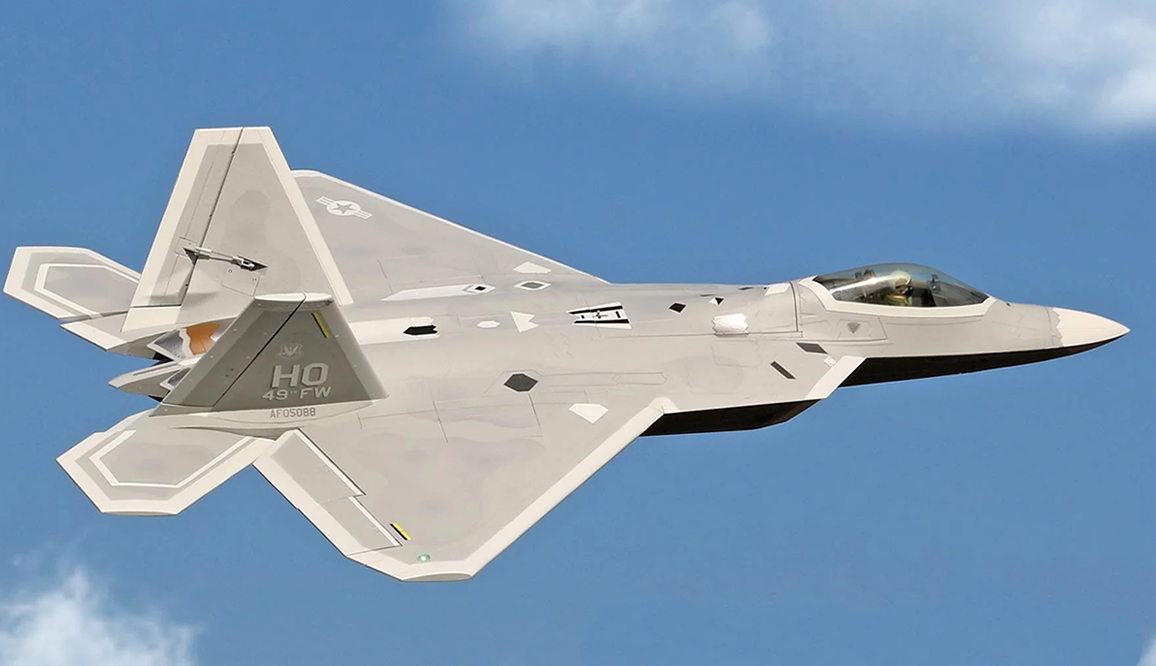
Freewing F-22 Raptor 80mm EDF PNP Jet
The Freewing F-22 Raptor 80mm EDF PNP Jet captures the iconic presence of the world’s most advanced air superiority fighter with exceptional scale detail in a pilot-friendly design. This EDF jet delivers unparalleled realism and flight experience with features like molded-in panel lines, rivet details, and fully sequenced gear doors for a sleek, aerodynamic, and authentic look.Designed for convenience and performance, the F-22 features screwless, quick-release wings for effortless assembly and transport. Its 12-blade 80mm EDF power system, paired with a high-performance 3658-2150Kv inrunner motor, ensures smooth, powerful thrust and breathtaking speed. Stability is enhanced with the pre-installed Freewing EG01 6-axis gyro, making this jet accessible to both experienced pilots and those new to EDF flying.
With shock-absorbing CNC-machined aluminum struts, spring-loaded battery access hatch, and colorful LED navigation lights, the Freewing F-22 Raptor is as practical as it is stunning. From precise aerobatics to smooth landings, every flight feels as advanced as the jet it replicates.
Whether you're a seasoned EDF pilot or looking to take your first steps into the world of jet-powered flight, the 70mm EDF F-22 delivers the performance, realism, and convenience you need to make every flight unforgettable.
Quick Release Wings,and Screwless Enjoy effortless assembly and disassembly with the innovative quick release wing system. |
It is Pre-Installed 6-Axis Gyro Inside The Freewing EG01 6-axis gyro is included and pre-programmed providing a more stable and enhanced flying experience.it is easy to control. |
Scale Detailing Highly detailed surfaces with molded panel lines, rivets, and other details for a realistic appearance.. |
Tight Closing, Sequenced Gear Doors Full gear doors, both inner, outer main gear and nose gear automatically sequenced for enhanced scale realism and reduced drag. |
Well-Protected Plastic corner protection is located in key areas to help prevent hangar rash and general wear and tear.. |
Complete LED Light Package Full navigation lights, landing lights, and lighted heads up display (HUD) provide enhanced realism and visibility.. |
Features:
- Screwless, quick-release main wings simplify assembly and transport
- Freewing EG01 6-axis gyro provides a stable and enhanced flying experience
- CNC-machined aluminum oleo struts for smooth, durable landings
- Inner and outer gear doors are fully sequenced for reduced drag and enhanced scale appearance
- LED navigation and landing lights improve visibility and enhance the scale appearance
- Highly detailed surfaces with molded panel lines and rivet details elevate scale realism
- Detailed cockpit with painted pilot figure and illuminated heads up display (HUD)
- High-performance 12-blade 80mm EDF for powerful, smooth thrust with an authentic jet sound
- 3658-2150Kv inrunner motor for high-performance, speed and efficiency
- 100A ESC with 7A UBEC, thrust reversing and EC5 connector for advanced control
- Plastic corner protection helps prevent hangar rash and wear
- Spring-loaded battery hatch allows quick and easy battery access
- Carbon fiber wing spars add strength while minimizing weight
- Ball linkages on all control surfaces ensure precise control
- Nylon hinges provide long-lasting durability
Includes:
- Freewing F-22 Raptor 80mm EDF Jet with EG01 6-axis Gyro PNP RC Airplane
- 12-blade 80mm EDF power system was pre-installed
- 3658-2150Kv inrunner motor was pre-installed
- 100A ESC with reverse thrust and EC5 connector were pre-installed
- Electronic, retractable landing gear werepre- installed
- all LED lightings were pre-installed
- All Servos were pre-installed inside
Requires:
- 6-8 channel radio (8 required for thrust reversing)
- 6-8 channel receiver (8 required for thrust reversing)
- 6S 22.2V 4000-5000mAh LiPo with EC5 Connector-
- Minimum 6 Cell Battery Charger .
Product Specifications:
AGE LEVEL :14 and up
SKILL LEVEL :Intermediate
BUILD TIME :1 hour
| Scale | 1/16 |
| Wingspan | 935mm / 36.8in |
| Length | 1300mm / 51.2in |
| Flying Weight | 2530g / 89.2oz |
| CG (Center of Gravity) | 115mm from the leading edge of the wing at the wing root |
| Power System | 3658-2150Kv inrunner motor |
| Electronic Speed Control | 100A brushless with 7A UBEC and thrust reversing |
| Propeller / EDF | 80mm EDF with 12-blade fan |
| Servos |
|
| Landing Gear | CNC-machined aluminum, shock absorbing, retractable landing gear |
| Required Battery | 6S 22.2V 4000-5000mAh LiPo with EC5 Connector |
| Required Radio | 6-8 channels (8 required for thrust reversing) |
| Ailerons | Yes |
| Elevator | Yes |
| Rudder | Yes |
| Flaps | Yes |
| Lights | Yes |
| Hinge Type | Nylon |
| Material | EPO foam |
| Skill Level | Intermediate |
| Build Time | 1 Hour |
| Recommended Environment | Outdoor |
Freewing F-22 Raptor 80mm EDF PNP Jet Flight Image
To See More image
The use of cutting-edge drone technology is revolutionizing the major challenges facing the Greater Masai Mara ecosystem. Wild elephant conservation in the Greater Masai Mara ecosystem has become more cost-effective, scalable and innovative with the new protection of Autel Robotics drones.
How are drones transforming conservation in East Africa?
Located in southwestern Kenya, the Greater Masai Mara ecosystem is one of East Africa’s most famous nature reserves. It is home to a variety of large game species, experiences annual migrations, and is also one of the most important ecotourism destinations.
The Greater Masai Mara ecosystem has long faced various ecological challenges, from increasing human-elephant conflict to the ongoing threat of poaching, as well as habitat loss and fragmentation.
To address the long-standing and increasing ecological challenges, conservation teams have adopted drone technology. The Autel Robotics EVO MAX 4N night vision drone is a key tool in the revolution of animal conservation.

How do drones monitor and protect African elephants?
Drone surveillance and reconnaissance
Drones can provide aerial views of the life habits of a variety of large wild animals, especially African elephants, lions, leopards, cheetahs, wildebeests, giraffes and other animals, capturing extraordinary footage of these iconic animals while giving researchers more insights.
Drones’ aerial perspective can also quickly identify poaching threats and develop forward-looking plans. Focus observations on some endangered animals to prevent bushmeat poaching.
Drone night operations
Infrared, thermal imaging, starlight sensors and night vision drones provide unparalleled capabilities for wildlife monitoring, especially nocturnal species that are active at night. In the anti-poaching operations of night vision drones, infrared technology can detect the heat signatures of animals and humans, making it easier to spot poachers in low light conditions. By patrolling protected areas from above, drones can quickly identify and track suspicious activities, allowing for more effective intervention and arrests.
Alleviating human-wildlife conflicts
With the expansion of human activities, especially the increase in farmland, conflicts between wildlife and humans have become more frequent. Elephants and other large animals enter farmland and cause losses, and farmers try to drive or harm these animals, leading to increased conflicts between the two sides.
Traditionally, people have used torches, bees, chili fencing, and even helicopters to manage these problems. However, these methods are often costly, labor-intensive, and have limited effectiveness. Later, the buzz of recreational drones could scare away elephants, but it became clear that more advanced industrial drones were needed to patrol large areas.

How does Autel EVO MAX 4N change the conservation of African elephants?
With the help of the EVO MAX 4N drone, rangers can take active and effective daytime and nighttime actions, providing cost-effective, scalable and innovative solutions to some of East Africa’s most pressing challenges.
EVO Max 4N brings unparalleled advantages to conservation work: night operations, extended flight time, open platform integration, durability and adaptability.

Starlight night vision: Autel Evo Max 4N’s starlight sensor and thermal imaging capabilities significantly improve nighttime surveillance, and the zoom function allows the drone to detect illegal actions of targets without alerting poachers, preventing poaching of wild elephants in advance.
Ultra-long flight time: The EVO MAX 4N drone can support 42 minutes of flight, the battery supports hot swapping, and the deployment of the drone nest can also quickly charge the drone, allowing the drone to cover a wider range.
Support for third-party integration: Autel’s open platform interface allows potential integration with tools such as EarthRanger, facilitating real-time data aggregation and analysis.
Durability and adaptability: Autel drones are designed to withstand harsh conditions, with an IP43 protection rating, and perform well in rugged environments such as dense jungles to arid savannahs in East Africa.
The unparalleled advantages of the EVO Max 4N make it an ideal choice for conservation teams to expand their range of operations, especially night tracking, anti-poaching missions and human-wildlife conflict management.
EVO MAX 4N night vision drone expands protection in Africa
The EVO MAX 4N night vision drone has achieved phased victories in wildlife protection work in the Masai Mara ecosystem. The EVO Max 4N drone has also been deployed to Tanzania, where cooperation with the government and private sector is helping to alleviate human-elephant conflicts and address broader ecological issues.
Drone wildlife conservation work plans to integrate drones into carbon monitoring and data collection for sustainable development projects in the future.
Conclusion
Autel Robotics drones are changing the way wildlife conservation is done, providing cost-effective, scalable and innovative solutions to some of the challenges of East Africa’s unique wildlife and ecosystems.
From managing human-wildlife conflict to preventing poaching, advanced tools such as the Autel EVO MAX 4N night vision drone are reshaping the future of conservation with each flight, striving to create an ecosphere on Earth where humans and wildlife can thrive together.
Even under strong shaking, the A14 propulsion system can maintain stable flight.
In this video, our user conducted a test on the stability of the A14 by vigorously shaking the payload attached to the drone. The results were very satisfyingA14 modular propulsion system:
-Rated thrust/arm:25~27kg
-Recommendation:50L quadcopter or 60L hexacopter
Video:https://www.youtube.com/watch?v=ne1h21Tx6SI
Product parameter: https://uav-en.tmotor.com/html/UAV/Multirotor/PropulsionSystem/a_series/
Technical support: jessica@tmotor.com
Drones are no longer just tools; they are game-changers for industries demanding precision, efficiency, and adaptability. Enter Haris Unmanned Systems, for their latest Midlift Drone innovation. A remarkable creation by Haris Unmanned Systems that embodies innovation and practicality. Designed as a VTOL (Vertical Take-Off and Landing) drone with a sleek and compact structure, the Midlift Drone is engineered to meet the needs of diverse industries while offering an unparalleled blend of performance and reliability.
A Compact Powerhouse with a Foldable for Diverse Applications
The Midlift Drone with a foldable design, combines the agility of a multirotor with the endurance and efficiency of a fixed-wing aircraft. Its compact design allows it to operate in constrained spaces, yet it delivers impressive power and capabilities, making it a versatile solution for industries across the board.
Key Commercial Applications:
Site & Mining Inspections: Quickly and safely survey large-scale mining sites and quarries, providing real-time data for better decision-making.
Construction Monitoring: Monitor progress, inspect hard-to-reach areas, and ensure safety standards on construction sites.
Security and Surveillance: Maintain persistent aerial monitoring for sensitive locations or events.
Environmental Monitoring: Track changes in landscapes, vegetation, or wildlife for ecological and agricultural purposes.
Disaster Response: Deploy immediately in crisis zones to assess damage and assist in rescue missions.
Technical Features that Set tt Apart
The Midlift Drone’s technical specs are a testament to its cutting-edge design, application and capabilities:
VTOL Functionality: Seamlessly transitions between vertical takeoff/landing and fixed-wing flight, eliminating the need for runways.
Endurance: Flies for longer duration on a single charge, covering extensive distances with minimal downtime.
Payload Capacity: Carries up to 6-7 kg, supporting high-end sensors like LiDAR, thermal cameras, and multispectral imaging devices.
Advanced AI Navigation: Incorporates autonomous flight systems with obstacle detection and avoidance for safe, efficient operations.
Compact and Lightweight: Designed for quick deployment and portability without compromising on performance.
Weather Resilience: Operates reliably in various weather conditions, ensuring uninterrupted missions.
Why the Midlift Drone Is a Game-Changer
The Midlift Drone is more than just a UAV; it’s a solution to modern challenges. Its VTOL capability addresses logistical hurdles, while its sleek design allows it to work in urban environments, remote areas, and everything in between.
Benefits for Industry Leaders:
Efficiency at Scale: Reduces the time, cost, and risk associated with traditional methods of inspection or data collection.
Safety First: Performs dangerous tasks, such as inspecting high-rise structures or volatile mining sites, keeping personnel out of harm’s way.
Precision Data Collection: Delivers high-quality insights through advanced sensors, enabling better decision-making across industries.
Eco-Friendly Operations: Powered by clean energy, it aligns with sustainable practices, reducing the environmental impact of industrial activities.
Haris Unmanned Systems: Pioneering UAV Innovation in Saudi Arabia
As one of the few UAV manufacturers in Saudi Arabia, Haris Unmanned Systems is committed to delivering innovative, locally manufactured drones that support industries within the GCC and beyond. The Midlift Drone exemplifies this vision—combining technological excellence with practical functionality to empower industries with smarter, safer, and more efficient tools.
A Drone for Tomorrow’s Challenges
Whether it’s revolutionizing inspections, ensuring security, or aiding in disaster response, the Midlift Drone is perfectly suited to tackle the challenges of modern industry. Its sleek design, impressive technical capabilities, and versatility make it an invaluable asset for businesses looking to optimize operations and embrace the future of UAV technology.
With the Midlift Drone, the sky isn’t the limit—it’s the starting point.
For more details on how the Midlift Drone can transform your operations, visit Haris Unmanned Systems or contact us directly. Let innovation take flight!
For more information, visit:
https://harisus.com/saml
Elevate Your Operations with Our Long-Range VTOL UAV
Discover the future of aerial surveillance and reconnaissance with our cutting-edge
VTOL UAV. Designed for versatility and endurance, our drone boasts an impressive
flight range of 1200 kilometers and an operational endurance of 15 hours.
Haris Unmanned Systems (HarisUS) has made its mark with innovative designs and locally manufactured drones tailored for industry-specific needs. Among their standout creations is the Pure Wing SA 3B, a VTOL (Vertical Take-Off and Landing) drone that combines precision engineering, advanced AI capabilities, and versatility to address diverse applications.
This state-of-the-art drone is designed to serve industries such as oil and gas, construction, mining, and infrastructure monitoring, delivering performance and reliability that redefine what UAVs can achieve.
Technical Specifications of the Pure Wing SA 3B
Design and Build
Material: Lightweight carbon fiber for enhanced durability and reduced weight.
Wingspan: 3.2 meters, optimized for aerodynamics and stability.
Weight: 12 kg (without payload), allowing for portability without compromising robustness.
VTOL System: Features powerful, efficient rotors for vertical lift, seamlessly transitioning to fixed-wing flight for extended range and endurance.
Flight Capabilities
Maximum Range: Up to 120 kilometers in a single flight.
Flight Time: 4 hours on a single charge, aided by energy-efficient propulsion systems.
Maximum Speed: 80 km/h, balancing speed and stability for various operations.
Payload Capacity: Up to 5 kg, allowing for diverse sensor and equipment configurations.
AI and Navigation
AI-Powered Autonomy: Features advanced navigation algorithms for obstacle detection, route optimization, and automated return-to-home functionality.
GNSS and RTK: Equipped with high-precision GPS and Real-Time Kinematics (RTK) for centimeter-level accuracy in mapping and surveying tasks.
Obstacle Avoidance: Multiple onboard sensors, including LiDAR, ensure safe operation in complex environments.
Payload Options
- The SA 3B supports a range of payloads, including:
- Thermal Imaging Cameras for pipeline and building inspections.
- Multispectral Sensors for agricultural monitoring.
- LiDAR Systems for 3D mapping and surveying.
Software and Connectivity
Real-Time Data Transmission: Supports long-range data links for instant analysis.
Customizable Mission Planning: Intuitive software for setting up and executing complex missions.
Cloud Integration: Enables secure storage and sharing of collected data.
Applications of the Pure Wing SA 3B
The Pure Wing SA 3B is engineered to excel in challenging industrial scenarios, making it a trusted asset for:
Oil and Gas Inspections
Perform pipeline monitoring, flare stack inspections, and offshore platform surveys with thermal imaging and real-time data analysis.
Infrastructure Assessment
Inspect bridges, buildings, and other critical structures efficiently and safely using advanced sensors.
Mining Operations
Conduct aerial surveys, monitor excavation sites, and generate precise 3D maps of mining areas.
Environmental Monitoring
Track wildlife, monitor environmental changes, and survey disaster-affected areas for rapid response.
What Sets the SA 3B Apart?
Haris Unmanned Systems’ focus on local manufacturing ensures the Pure Wing SA 3B is designed specifically for the demands of industries in Saudi Arabia and the GCC. Its AI-driven features, coupled with a robust VTOL design, make it a leader in UAV technology.
Additionally, the SA 3B’s modular payload system allows businesses to customize the drone for their specific needs, providing flexibility and cost-efficiency.
A Commitment to Excellence
The Pure Wing SA 3B is more than just a drone—it’s a testament to Haris Unmanned Systems’ commitment to innovation and quality. Manufactured in Saudi Arabia with a deep understanding of regional needs, the SA 3B is perfectly aligned with Saudi Vision 2030, empowering industries with advanced technology to drive growth and efficiency.
Whether you’re in oil and gas, construction, or environmental monitoring, the Pure Wing SA 3B is built to help you rise to new heights—literally and figuratively.
For more information, visit https://harisus.com/
https://harisus.com/saml
FMS Ranger 1220mm PNP V2 with Reflex RC Airplane
More info:
The FMS 1220mm Ranger V2 Yellow RC airplane retains all of the fantastic features that pilots have come to expect from FMS- stable flight characteristics, easy to assemble airframe and realistic, general-aviation inspired design.
Built with ultralight EPO foam, the large, high-winged airframe configuration gives the Ranger low wing-loading and extraordinary amounts of lift, even at slow speeds. Robust plastic struts give extra strength to the wings during aerobatic maneuvers and the patented high-strength tricycle landing gear makes ground handling a breeze.
A great aircraft is nothing without a great, dependable power system and FMS has equipped the Ranger with a 3136/1200KV outrunner motor with 20A Predator ESC, which allows the Ranger to climb almost vertically on demand! In the box, the Ranger comes with two sets of landing gears- a high-strength metal landing gear for ground operations. Designed with a yellow and white high-visibility color scheme, the Ranger can always be easily orientated even in gloomy, overcast weather.
Like the Super-EZ and the Kingfisher, the Ranger is designed with ease of assembly in mind. Requiring only 6 (wheeled landing gear) to completely assemble, the longest wait time is the time it takes to charge the battery!
Also included FREE is FMS’s new Reflex System - an advanced flight control module designed to provide electronic stabilization while retaining natural flight characteristics.
Features
High-spec power system: 3136-1200KV motor, Predator 20A ESC
High strength, lightweight metal landing gear for all-ter-rain operations.
Screw-together and twist-lock assembly,completed in 3-10 minutes
10-15 minute flight times (RTF specification)
One piece horizontal stabilizer for precise flight character-istics
Specifications
Wingspan: 1220mm/48in
Overall Length: 947mm/37.3 in
Flying Weight: 1200g/oz
Motor Size: 3136-1200KV
ESC: 20A
Servo: 9g Servo x 5pcs
Radio: 4 Channel
CG (center of gravity): 50-60mm(From Leading Edge)
Prop Size: 10*5 2-blade
Recommended Battery: 3S 1300MAH 25C
Battery Connector: XT-60
Aileron: Yes
Elevator: Yes
Rudder: Yes
Flaps: No
Retracts: No
Approx. Flying Duration: 10 min
Minimum Age Recommendation: 14+
Experience Level: Intermediate
Recommended Environment: Outdoor
Material: Durable EPO
Required To Complete
4 channels Transmitter
4 channels Receiver
3S 1300mah 25C Lipo Battery and Lipo Battery Charger
AA small batteries for remote comtroler
FMS Avanti 90mm EDF Jet PNP RC Airplane

FMS F-16 Battlefield Gray 64mm Jet RC Airplane

FMS F-16 Thunderbird 64mm Jet RC Airplane

FMS Cessna 182 1500mm PNP Blue RC Airplane

FMS Cessna 182 1500mm PNP Red RC Airplane

FMS Integral 80mm EDF PNP Red RC Airplane

FMS Integral 80mm EDF PNP Blue RC Jet
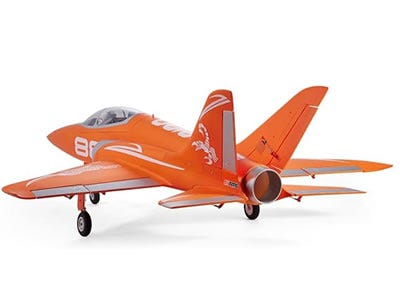
FMS Super Scorpion V2 90mm EDF Jet PNP 6S Orange RC Airplane
FMS Super Scorpion V2 90mm EDF Jet PNP 6S Orange RC Airplane
]
FMS Super Scorpion V2 90mm EDF Jet PNP 8S Came Jet
Features
1.Improved CNC machined trailing link struts, ensuring smooth suspension and effectively reducing the impact force to the airframe during takeoff, landing, and taxiing.
2.Available in both 6S (3670-KV1950 inrunner motor) and 8S (4075-KV1500 inrunner motor) versions.
3.Available in two different paint schemes; orange and Orangeuflage!
4. Electric retracts with locked-rotor mode and over-current protection.
5. Multi-plug connectors for added durability, reliability, and ease of assembly.
6. Preinstalled ball link connector for increased throw and precision.
7. Screw-together assembly.
8. High-quality wear-resistant tires.
9. Buckle-design latch prevents unexpected canopy release in flight.
10. Flap functionality to help ease takeoff and landing.
11. Environmentally friendly water-based paint for better color and adhesion.
12. High quality EPO foam.
what is in the package Box:
(1) FMS 90mm Super Scorpion V2 Orange EDF PNP
(2) 120A ESC with Reverse Thrust Function (pre-installed)
(3) 6S 3670-KV1950 inrunner EDF motor pre-installed)
(4) 90mm 12-blade ducted fan (pre-installed)
(5) 9 High-precision All-metal Digital Servos (pre-installed)
(6) paper Manual

FMS Super Scorpion V2 90mm EDF Jet PNP 6S Came Jet

FMS Super Scorpion V2 90mm EDF Jet PNP 6S Orange Jet

FMS Super Scorpion V2 90mm EDF Jet PNP 8S Came Jet

FMS Super Scorpion V2 90mm EDF Jet PNP 8S Orange Jet

FMS Avanti 90mm EDF Jet PNP RC Airplane
FMS F-16 Battlefield Gray 64mm Jet RC Airplane
FMS F-16 Thunderbird 64mm Jet RC Airplane
It Requires:
(1) 6 Channel Transmitter and Receiver
(2) 6S (22.2V 5000mAh-6000mAh 45c with EC5 connector)
(3) LiPo Battery Charger
Notes to Buyers
RTF (Ready to Fly) airplanes come with everything you need to fly in the box. A transmitter, receiver, battery, charger, and all other required electronics are included and pre-installed from the factory.
PNP (Plug-and-Play) airplanes include the ESC, motor, and servos all pre-installed from the factory. Transmitter, receiver, battery, and charger are not included.
EPO foam and cockpits can bubble or deform in high heat. To prevent this, avoid leaving them in direct sunlight when not in use.
Reflex V3 is not included and needs to be purchased separately.
6-channel receiver is needed for Ailerons, Elevator, Throttle, Rudder, Landing Gear, and Flaps. Upgrade to 7 or more channels for advanced features like Thrust Reverse and Reflex Control.
Specification
Model6S8SWingspan1140mm /44.9 in1140mm /44.9 inOverall Length1320mm /52in1320mm /52inFlying WeightAround 3500gAround 3950gMotor Size3670-KV19504075-KV1500ESC120A120AServo13gX5pcs13gX5pcsServo23gX4pcs23gX4pcsRadio6CH Channel6CH ChannelCG (center of gravity)150–160mm150–160mmProp Size90mm 12-blade ducted fan90mm 12-blade ducted fanRecommended Battery22.2V 5000mAh-6000mAh 45c with EC5 connector29.6V 5000mAh-5500mAh 45c with EC5 connectorAileronYesYesRudderYesYesFlapsYesYesRetractsYesYesApprox. Flying Duration3 minutes3 minutesMinimum Age Recommendation14+14+Experience LevelIntermediateIntermediateAssembly Time10 minutes10 minutesWing Load119 g/dm2 (0.23oz/in2)134.3 g/dm2 (0.26oz/in2)Wing Area29.4dm2 (455.5 sq.in)29.4dm2 (455.5 sq.in)
RTF :(Ready to fly): A RTF plane includes the plane with the radio, receiver, battery, charger, motor, servos, retracts (if it has) and ESC already in place.
PNP:(Plug and Play) — A PNP foam plane includes the plane with the motor, servos, retracts (if it has) and ESC already in place. Battery and charger are not included. Radio and receiver are not included.
Notes to Buyers
RTF (Ready to Fly) airplanes come with everything you need to fly in the box. A transmitter, receiver, battery, charger, and all other required electronics are included and pre-installed from the factory.
PNP (Plug-and-Play) airplanes include the ESC, motor, and servos all pre-installed from the factory. Transmitter, receiver, battery, and charger are not included.
EPO foam and cockpits can bubble or deform in high heat. To prevent this, avoid leaving them in direct sunlight when not in use.
Reflex V3 is not included and needs to be purchased separately.
6-channel receiver is needed for Ailerons, Elevator, Throttle, Rudder, Landing Gear, and Flaps. Upgrade to 7 or more channels for advanced features like Thrust Reverse and Reflex Control.
Specification
| Model | 6S | 8S |
| Wingspan | 1140mm /44.9 in | 1140mm /44.9 in |
| Overall Length | 1320mm /52in | 1320mm /52in |
| Flying Weight | Around 3500g | Around 3950g |
| Motor Size | 3670-KV1950 | 4075-KV1500 |
| ESC | 120A | 120A |
| Servo | 13gX5pcs | 13gX5pcs |
| Servo | 23gX4pcs | 23gX4pcs |
| Radio | 6CH Channel | 6CH Channel |
| CG (center of gravity) | 150-160mm | 150-160mm |
| Prop Size | 90mm 12-blade ducted fan | 90mm 12-blade ducted fan |
| Recommended Battery | 22.2V 5000mAh-6000mAh 45c with EC5 connector | 29.6V 5000mAh-5500mAh 45c with EC5 connector |
| Aileron | Yes | Yes |
| Rudder | Yes | Yes |
| Flaps | Yes | Yes |
| Retracts | Yes | Yes |
| Approx. Flying Duration | 3 minutes | 3 minutes |
| Minimum Age Recommendation | 14+ | 14+ |
| Experience Level | Intermediate | Intermediate |
| Assembly Time | 10 minutes | 10 minutes |
| Wing Load | 119 g/dm2 (0.23oz/in2) | 134.3 g/dm2 (0.26oz/in2) |
| Wing Area | 29.4dm2 (455.5 sq.in) | 29.4dm2 (455.5 sq.in) |
RTF :(Ready to fly): A RTF plane includes the plane with the radio, receiver, battery, charger, motor, servos, retracts (if it has) and ESC already in place.
PNP:(Plug and Play) - A PNP foam plane includes the plane with the motor, servos, retracts (if it has) and ESC already in place. Battery and charger are not included. Radio and receiver are not included.
KIT: A KIT plane is an airframe only. It does not include any motor, ESC, or servos (though usually includes servoless retracts on planes with retracts).
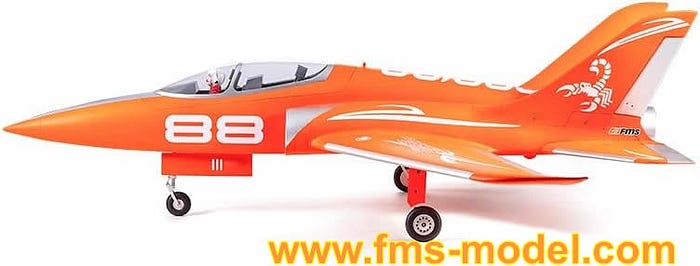
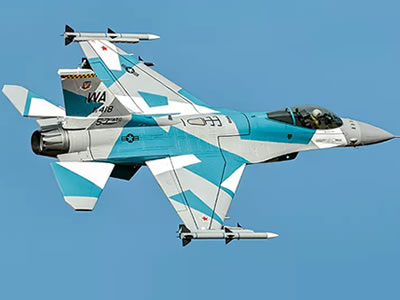
Freewing F-16 V2 90mm Fighting Falcon EDF Jet 6S PNP RC Airplan Specifications:
This Product is available in stock.
Note:This is the High Performance 6S version which includes a 3668-1960Kv inrunner motor with 12-blade EDF and a thrust reversing 120A ESC. just add your own battery with EC5 Connector to begin flying.
in 2024,The Freewing F-16 V2 90mm EDF 6s PNP Jet from Freewing Model showcases a range of performance and design upgrades that elevate realism, flight capability, and convenience. Featuring a striking 64th Aggressors Livery, this model honors the distinguished 64th Aggressor Squadron, part of the legendary Aggressor program initiated in 1972. This squadron played a crucial role in training pilots through dissimilar air combat tactics, emulating potential adversaries.
With quick-release wings, an easier fuselage assembly, and a slide rail system for armament, the updated F-16C 90mm prioritizes ease of use. Additionally, the scale appeal and functionality have reached new heights with fully functional, servo-driven air brakes, updated scale details, extra molded-in rivets, painted landing gear, and other intricate detail components. The Freewing F-16C 90mm is designed to impress.
The new power system, featuring a 3668-1980Kv inrunner motor and a 12-blade EDF, delivers exceptional speed and power for long vertical climbs and rapid show passes over the runway. It also includes reverse thrust for short landing rollouts.
Experience the thrill and precision of the Freewing F-16 V2 90mm EDF is a true tribute to its full-scale counterpart, bringing advanced aerodynamics and stunning detail to your collection.
64th Aggressor Squadron Livery
Featuring an iconic 64th Aggressor Squadron livery, the Freewing F-16 V2 90mm JET showcases the legendary training unit.
Quick Release Wings
Enjoy effortless assembly and disassembly with the innovative quick release wing system.
Scale, Servo-Driven Airbrakes
Enhanced realism with fully functional, servo driven airbrakes that can be controlled from the transmitter.
Updated 3668-1980Kv Power System
Enhanced power and speed with the updated 3668-1980Kv inrunner motor and thrust reversing with the included 120A ESC.
Spring Loaded Cheater Holes
Equipped with spring loaded cheaters that actuate in flight for enhanced in flight performance while maintaining scale appeal on the ground.
Quick Attach Rail System for Armament
Easily install and remove armament with the updated quick attach rail system.
Added Scale Details
Extra molded-in rivets and detailed plastic components elevate the scale realism.
Larger Battery Compartment
Spacious battery compartment to easily accommodate various battery sizes and configurations for 6 or 8S LiPo systems.
Features:
it is 64th Aggressors Camo Livery: A striking, historically inspired camouflage design
it is with Power System: 3668-1980Kv Inrunner Motor with a 90mm 12-blade EDF
it has 120A Brushless ESC with 8A UBEC and Thrust Reversing: Provides reliable and efficient power management as well as thrust reversing capability
Screwless, Quick-Release Main Wings: For easy assembly and transport
Scale, Servo-Driven Air Brakes: Enhances scale realism and performance
Quick Attach Rail System: Simplifies fuel tank and armament attachment
Additional Molded-In Scale Rivet and Panel Details: Adds to the model's scale appeal and authenticity
Increased Battery Compartment Size: Accommodates larger batteries
Plastic Corner Protection: Around the battery compartment and fuselage chines for added durability
Additional Plastic Scale Details Included: Enhances the model's visual appeal
Spring-Loaded Cheater Holes: Improves power, speed, and overall performance
Stronger Landing Gear Mounts and Painted, CNC-Machined Landing Gear: Adds scale aesthetic appeal and adds durability
Spring-Loaded Battery Latch: Secures the battery with ease
Glueless Rear Fuselage Assembly: Simplifies the build process
Officially Licensed by Lockheed Martin
Sequenced gear doors provide added realism and reduced drag
Bright LED navigation and landing lights for enhanced realism and dawn/dusk maneuvers
Carbon fiber wing spars
Ball linkages on all control surfaces
Nylon hinges on all control surfaces
Package Box Includes:
Freewing F-16 V2 High Performance 90mm EDF Jet - PNP
12-Blade EDF power system (installed)
The 3668-1980Kv brushless inrunner motor system (installed)
120A Brushless ESC with reverse thrusting and EC5 connector (installed)
Electronic retractable landing gear (installed)
All Servos, LED Lights are pre-installed
Requires:
6 Channel radio - select a minimum 6 channel radio (8 channels for thrust reversing and gyro mode function)
6 Channel receiver
6 Cell 22.2V 5000 mAh LiPo battery with EC5 connector
6 Cell compatible Lipo battery charger
Freewing F-16 V2 90mm EDF Jet 8S PNP Jet
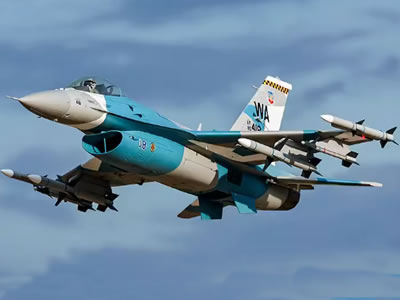
Freewing F-16 V2 90mm EDF 6S PNP Jet
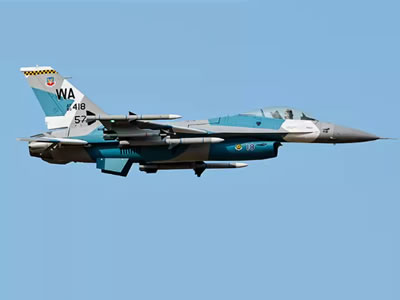
Freewing F-16 V2 90mm EDF ARF Plus Jet
| Model Scale | 1/10 Scale |
| Wingspan | 955mm / 37.6in |
| Length | 1457mm /57.4in |
| Empty Weight | Empty Weight 3.17kg (7.0lbs) without battery and armament |
| CG (Center of Gravity) | 110mm (4.3") from the leading edge of the wing at the root |
| Power System | 3668-1980Kv Inrunner Motor |
| Electronic Speed Control | 120A Brushless with 8A UBEC, thrust reversing, EC5 Connector |
| Propeller / EDF | 90mm 12-Blade EDF |
| Servos |
|
| Landing Gear | Electronic retractable main gear and steerable nose gear with all metal shock absorbing struts |
| Required Battery | 6S 22.2V 5000mAh LiPo with EC5 connector (required) |
| Required Radio | 6 Channel (required) |
| Ailerons | Yes |
| Elevator | Yes |
| Rudder | Yes |
| Flaps | No |
| Lights | Yes |
| Hinge Type | Nylon Reinforced |
| Material | EPO Foam |
| Skill Level | Intermediate/Advanced/Expert |
| Build Time | 1 Hour |
| Recommended Environment | Outdoor, 150+ foot paved runway or short manicured grass |
Spare parts For Freewing F-16 V2 High Performance 90mm EDF Jet
Freewing F-22 Raptor 70mm EDF Jet is designed to captivate with its scale realism and ease of use. Featuring highly detailed surfaces with molded-in panel lines and sequenced nose gear doors, this model delivers an authentic, visually stunning experience. The screwless, quick-release main wings make assembly and transport effortless, while CNC-machined aluminum shock absorbing struts help ensure smooth landings. Powered by a 12-blade 70mm EDF power system that offers reliable performance and precise control, the F-22 is perfect for pilots seeking both speed and agility in the air.
Whether you're a seasoned EDF pilot or looking to take your first steps into the world of jet-powered flight, the 70mm EDF F-22 delivers the performance, realism, and convenience you need to make every flight unforgettable.
|
Quick Release Wings Enjoy effortless assembly and disassembly with the innovative quick release wing system. |
Freewing RC Model Sources List
Freewing F9F Panther 70mm EDF Jet ARF Plus Jet
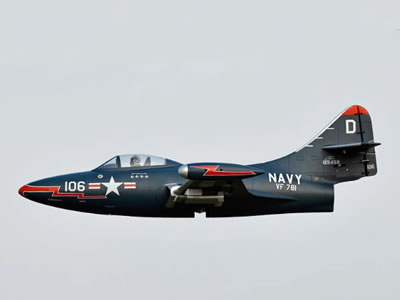
Freewing F9F Panther 70mm High Performance PNP EDF Jet
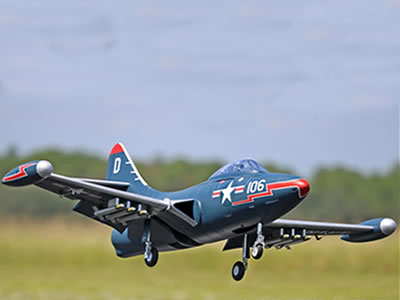
Freewing F9F Panther 70mm High Performance EDF Jet with Gyro PNP
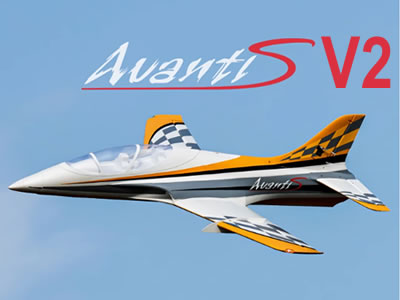
Freewing Avanti S V2 80mm Yellow Sport Jet ARF Plus RC Airplane
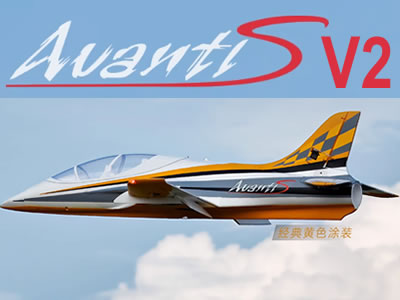
Freewing Avanti S V2 80mm Yellow Sport EDF PNP Jet RC Airplane

Freewing F-22 Raptor 70mm EDF ARF Plus RC Jet
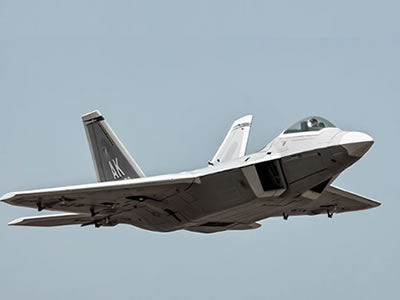
Freewing F-22 Raptor 70mm EDF Jet with Gyro PNP RC Jet
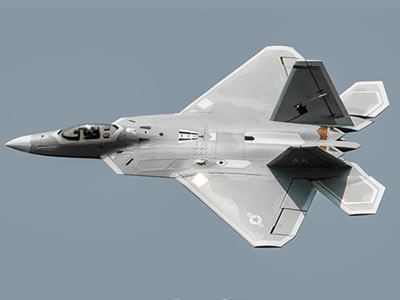
Freewing F-22 Raptor 70mm EDF Jet PNP RC Jet
Freewing F-16 V2 90mm EDF Jet 8S PNP Jet
Freewing F-16 V2 90mm EDF 6S PNP Jet
Freewing F-16 V2 90mm EDF ARF Plus Jet
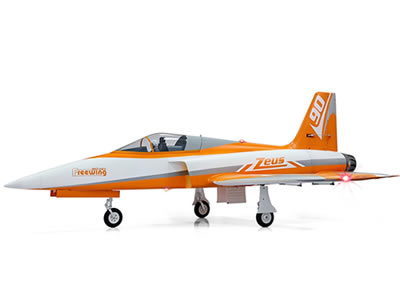
Freewing Zeus V2 90mm 6S PNP EDF Jet
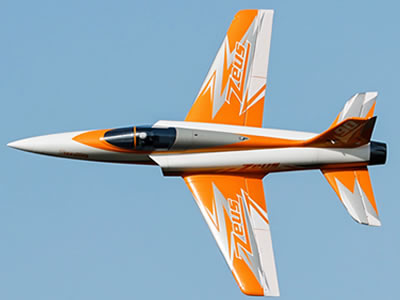
Freewing Zeus V2 90mm 8S PNP EDF JET Airplane
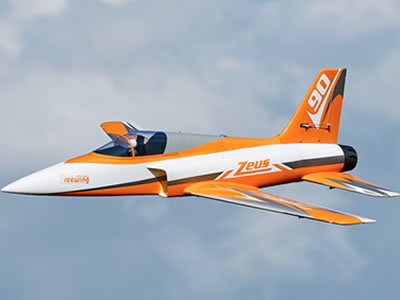
Freewing Zeus V2 90mm ARF Plus EDF JET Airplane
Freewing J-10A V2 90mm 8S EDF Jet PNP
Freewing J-10A V2 90mm 6S EDF Jet PNP
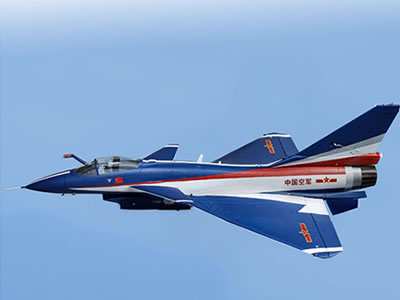
Freewing J-10A V2 90mm ARF Plus
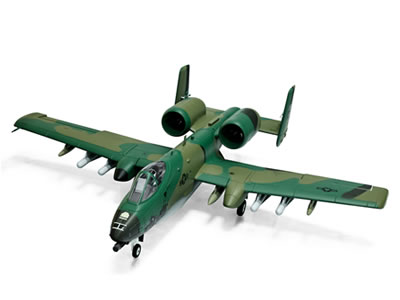
Freewing A-10 Thunderbolt II V2 twin 64mm High Performance EDF Jet PNP Airplane
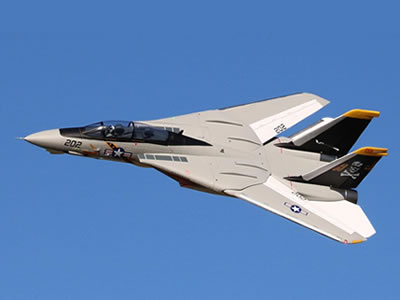
Freewing F-14 Tomcat Twin 64mm EDF Jet PNP RC Airplane
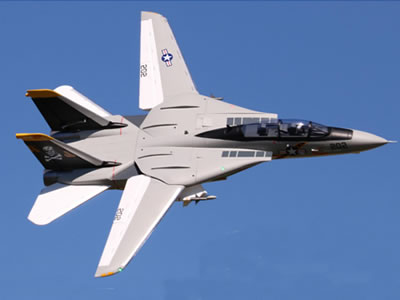
Freewing F-14 Tomcat Twin 64mm EDF ARF Plus RC Airplane
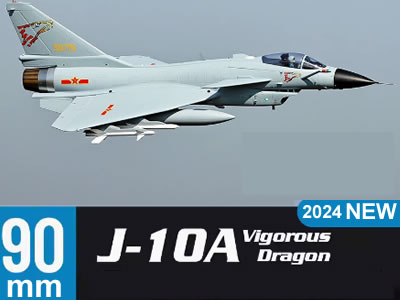
Freewing J-10A Vigorous Dragon 90mm Jet 8S PNP RC Airplane
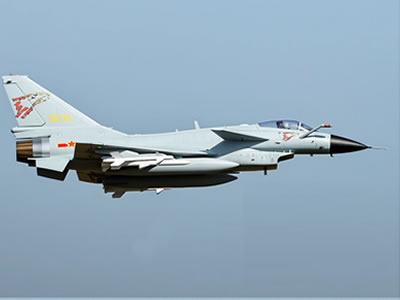
Freewing J-10A Vigorous Dragon 90mm Jet 6S PNP RC Airplane
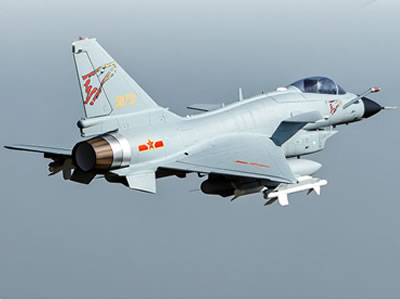
Freewing J-10A Vigorous Dragon 90mm Jet ARF Plus RC Airplane
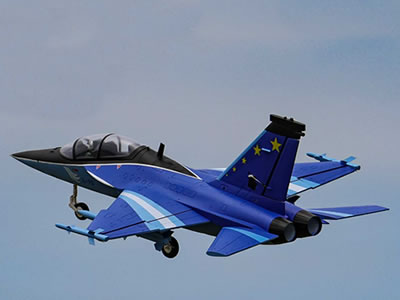
FFreewing L-15 64MM 4S EDF Jet PNP RC Airplane
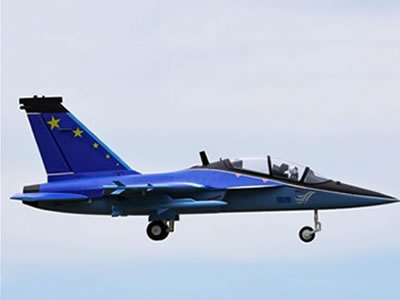
FFreewing L-15 64MM 6S EDF Jet PNP RC Airplane

Freewing Zeus 90mm EDF Sport 8s Jet PNP RC Airplane

Freewing Zeus 90mm EDF Sport 6S Jet PNP RC Airplane
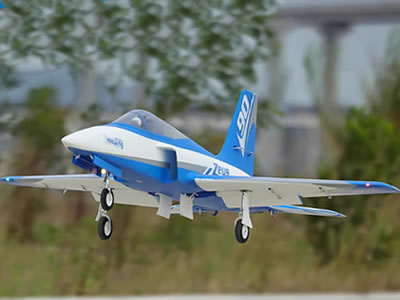
Freewing Zeus 90mm EDF Sport ARF Plus RC Airplane
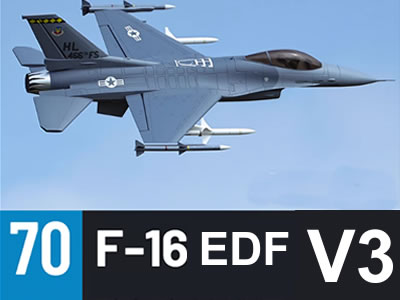
Freewing F-16 Falcon V3 6S 70mm EDF PNP
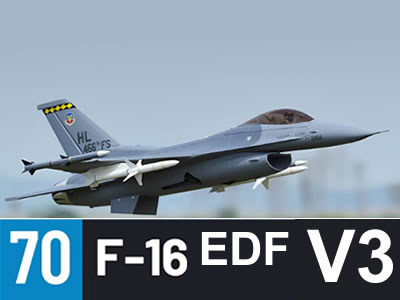
Freewing F-16 Falcon V3 6S 70mm EDF ARF Plus RC Airplane
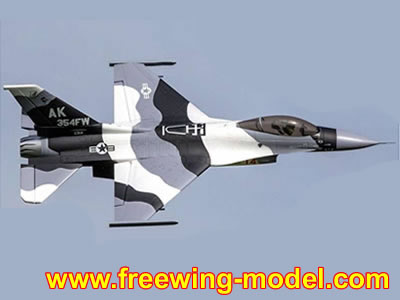
Freewing F-16 V3 70mm EDF Jet - PNP RC Airplane
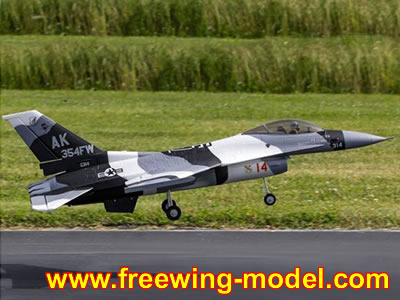
Freewing F-16 V3 70mm EDF Jet - ARF Plus RC Airplane
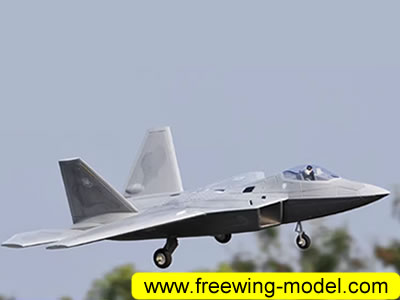
Freewing F-22 V2 Raptor 64mm EDF Jet PNP 4S RC JET
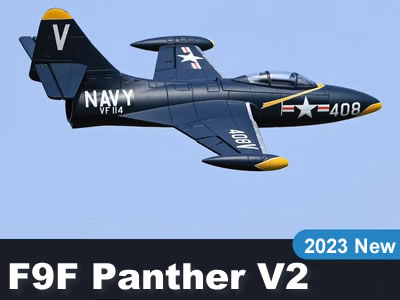
Freewing F9F Panther V2 64mm 4S Blue EDF PNP RC Airplan
Highly Detailed
Highly detailed surfaces with molded panel lines for a realistic appearance.
|
CNC-Machined Aluminum Struts CNC-machined aluminum shock absorbing struts accentuate the scale appearance and help you achieve smooth landings. |
|
Well-Protected Plastic corner protection located in key areas to help prevent hangar rash. |
|
Sequenced Nose Gear Doors Sequenced nose gear doors were added for enhanced scale realism and lower drag. |
|
Powerful Performer Impressive power and speed with the 2957-2210Kv inrunner motor, 12 blade EDF and thrust reversing with the included 80A ESC. |
Features:
- Screwless, quick-release main wings for easy assembly and transport
- CNC-machined aluminum shock absorbing struts accentuate the scale appearance
- Sequenced nose gear doors for enhanced scale realism
- Highly detailed surfaces with molded panel lines for a realistic appearance
- 12-blade 70mm EDF for powerful, smooth thrust
- 2957-2210Kv Inrunner Motor for high-performance speed and efficiency
- 80A ESC with thrust reversing, 7A UBEC and EC5 connector for advanced control
- Plastic corner protection located in key areas like intake leading edges, wing tips and the trailing edge of the fuselage to help prevent hangar rash
- Spring-loaded battery hatch for quick and easy battery access
- Carbon fiber wing spars for strength and light weight
- Ball linkages on all control surfaces for precise control
- Nylon hinges for long-lasting durability
Includes:
- Freewing F-22 Raptor High Performance 70mm EDF Jet with Gyro Flight Control PNP Jet
- 12-blade 70mm EDF Power System (installed)
- 2957-2210Kv Inrunner Motor (installed)
- 80A ESC with reverse thrust and EC5 connector (installed)
- Electronic, retractable landing gear (installed)
- Servos (installed)
Requires:
- 6-7 Channel radio (7 required for Reverse Thrust)
- 6-7 Channel receiver (7 required for Reverse Thrust)
- 6 Cell 22.2V 4000 mAh LiPo battery with EC5 connector
- 6 Cell compatible battery charger
Product Specifications:
AGE LEVEL :14 and up
SKILL LEVEL :Intermediate
BUILD TIME :1 hour
|
Scale |
1/16 |
|
Wingspan |
816mm / 32.1in |
|
Length |
1150mm / 45.3in |
|
Weight |
1.74kg (3.83lbs) without battery |
|
CG (Center of Gravity) |
108mm from the leading edge of the wing at the root |
|
Power System |
2957-2210Kv Brushless In-Runner Motor |
|
Electronic Speed Control |
80 Amp with 7A UBEC and thrust reversing |
|
Propeller / EDF |
70mm 12-Blade |
|
Servos |
|
|
Landing Gear |
Retractable landing gear with CNC-machined aluminum, shock absorbing struts |
|
Required Battery |
6 Cell 22.2V 3500-5000mAh Li-Po battery with EC5 Connector |
|
Required Radio |
6-7 channels (7 required for thrust reversing) |
|
Ailerons |
Yes |
|
Elevator |
Yes |
|
Rudder |
Yes |
|
Flaps |
Yes |
|
Lights |
No |
|
Hinge Type |
Nylon |
|
Material |
EPO Foam |
|
Skill Level |
Intermediate |
|
Build Time |
1 Hour |
|
Recommended Environment |
Outdoor |
