Jason Xie's Posts (18)

Sort by

Step by Step Assembly Guide: Freewing F 35C 110 mm EDF Jet (PNP Gyro Version, Item FJ50111PG)

Freewing F-35C 110mm EDF jet manual(2026 new)

Freewing F-22 Raptor v2 90mm edf jet manual(2026 new)

This build follows the official factory workflow, optimized for the 1/9.6 scale 110 mm F 35C with QUICK II tool free quick release wings, pre installed servos, 6 axis EG01 gyro, sequenced electric retract landing gear, LED navigation/afterburner lights, and a factory mounted 110 mm in runner EDF + 130 A HV ESC (12S power).
Air Force
Pre note: Most electronics (EDF, ESC, gyro, landing gear servos, LED wiring, fuselage servos) are pre installed in factory. Only airframe assembly, wiring plug ins, radio binding, battery fitting, control linkage tuning and CG setup are required.
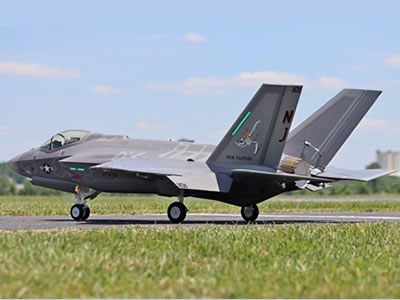
Freewing F-35C Lightning II Super Scale 110mm EDF Jet


Freewing F-35C Lightning II Super Scale 110mm EDF Jet

Discover more
Drones & RC Aircraft
RC Electronics
Shipping Services


Freewing K-8 Karakorum 80mm EDF PNP Jet


Freewing K-8 Karakorum 80mm EDF PNP Jet


Tools you need

Phillips head screwdriver (1.5 mm 3 mm)
 
Tape (to protect EPO foam from scratches)
 
Zip ties (for cable management)
 
Double sided hook and loop tape (battery mounting)
 
Digital scale + balancing stand (for CG check)
 
12S Li Po battery (6 000�C8 000 mAh, 60C�C100C discharge rating)
Electricity
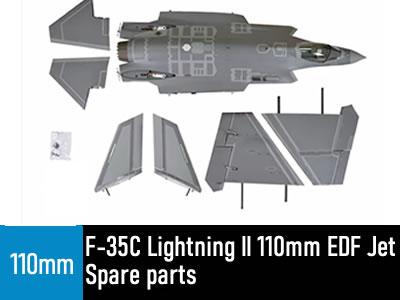
Freewing F-35C Lightning II 110mm EDF Jet Spare parts

Freewing F-35C Lightning II 110mm EDF Jet Spare parts


All Spare Parts are available in stock.

1. Send email to us,our e-mail is sales@freewing-model.com

we will reply message within 24 hours.

2.Live Chat Online in the following,


Discover more
Physics
Defense Industry
Boats & Watercraft


This Product is available in stock,we will ship the package box within 48 hours after the buyers pay money via paypal.


Spare parts For Freewing F-35C Lightning II 110mm EDF Jet Spare parts
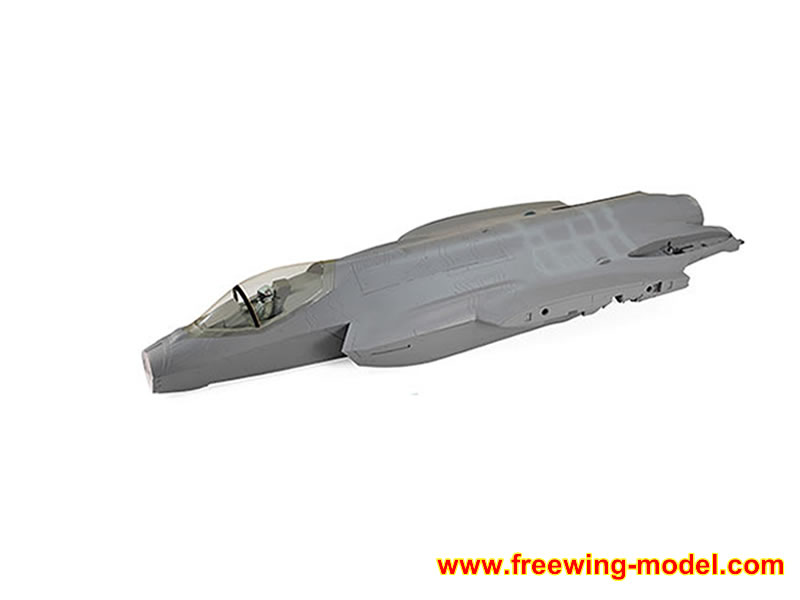
Parts NumberDescriptionImage
FJ5011101Freewing F-35C Lightning II 110mm EDF Jet FuselageFreewing F-35C Lightning II 110mm EDF Jet Fuselage
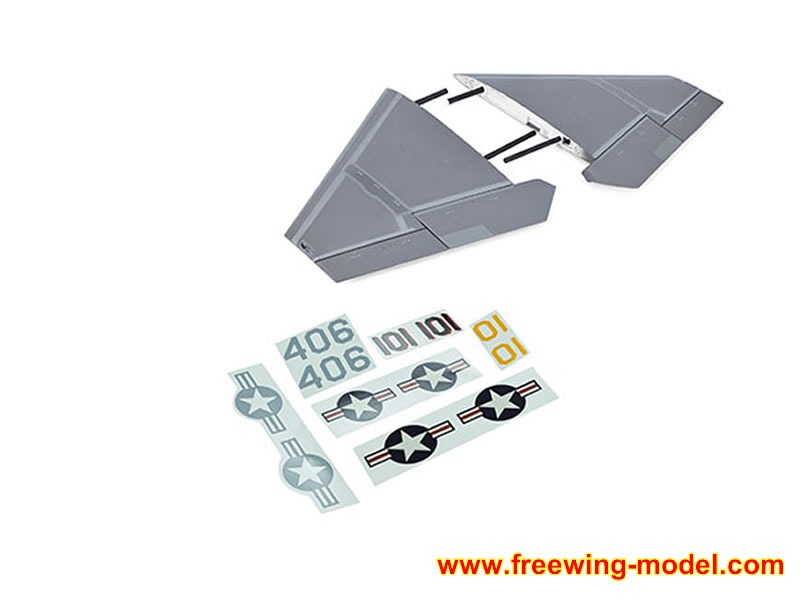
FJ5011102Freewing F-35C Lightning II 110mm EDF Jet Main wingFreewing F-35C Lightning II 110mm EDF Jet Main wing
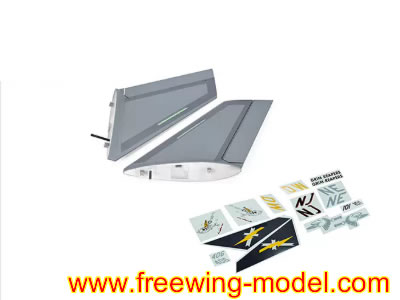
FJ5011103Freewing F-35C Lightning II 110mm EDF Jet Vertical StabilizerFreewing F-35C Lightning II 110mm EDF Jet Vertical Stabilizer
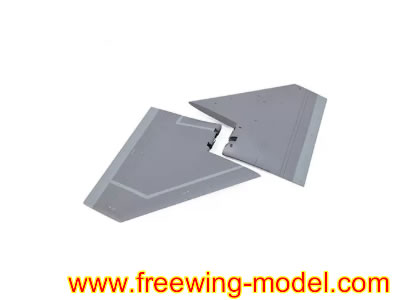
FJ5011104Freewing F-35C Lightning II 110mm EDF Jet Horizontal Stabilizer SetFreewing F-35C Lightning II 110mm EDF Jet Horizontal Stabilizer Set
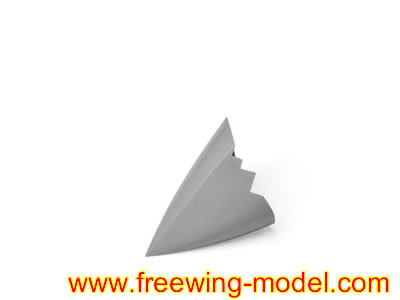
FJ5011105Freewing F-35C Lightning II 110mm EDF Jet Nose ConeFreewing F-35C Lightning II 110mm EDF Jet  Nose Cone
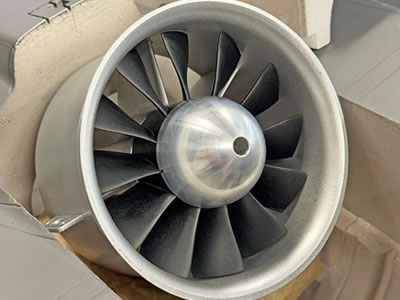
110mm EDFFreewing 4678-680KV Inrunner Motor 110mm 12-blade EDF 6S Power SystemFreewing F-35C Lightning II 110mm EDF Engine Power system
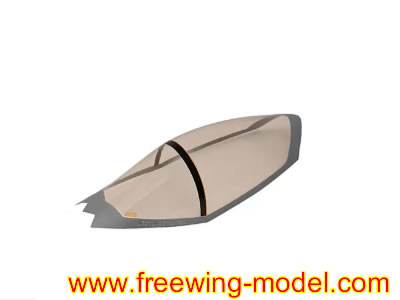
FJ50111061Freewing F-35C Lightning II 110mm EDF Jet CockpitFreewing F-35C Lightning II 110mm EDF Jet Cockpit
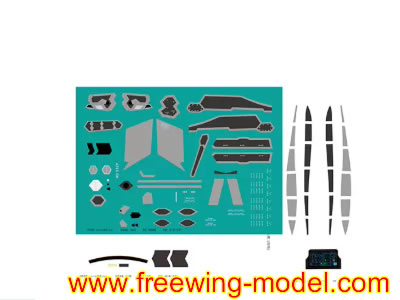
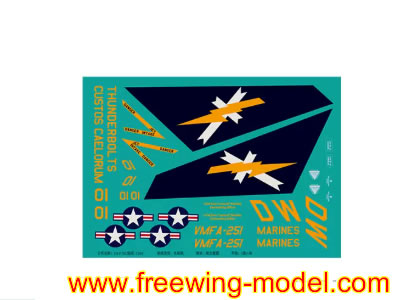
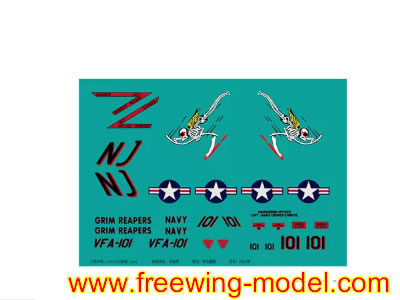
FJ50111071Freewing F-35C Lightning II 110mm EDF Jet Decal AFreewing F-35C Lightning II 110mm EDF Jet Decal A
FJ50111072Freewing F-35C Lightning II 110mm EDF Jet Decal BFreewing F-35C Lightning II 110mm EDF Jet Decal B
FJ50111073Freewing F-35C Lightning II 110mm EDF Jet Decal CFreewing F-35C Lightning II 110mm EDF Jet Decal C
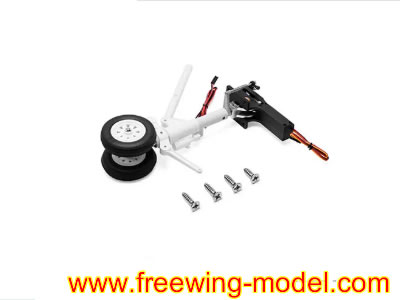
FJ50111081Freewing F-35C Lightning II 110mm EDF Jet front Landing set Strut and Wheel with RetractFreewing F-35C Lightning II 110mm EDF Jet front Landing set Strut and Wheel
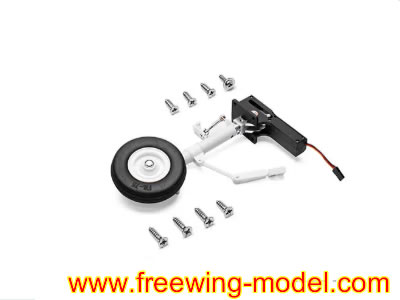
FJ50111087Freewing F-35C Lightning II 110mm EDF Jet Left Landing set Strut and Wheel with RetractFreewing F-35C Lightning II 110mm EDF Jet Left Landing set Strut and Wheel with Retract
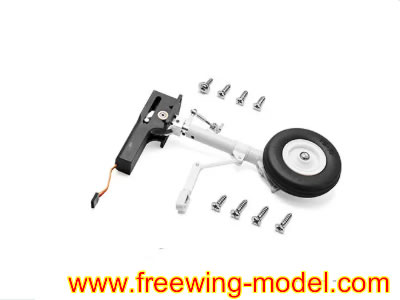
FJ501110812Freewing F-35C Lightning II 110mm EDF Jet Right Landing set Strut and Wheel with RetractFreewing F-35C Lightning II 110mm EDF Jet Right Landing set Strut and Wheel with Retract

All Spare Parts are available in stock.

Radio Control & Modeling
Discover more
Model Rockets
Radio Control Drones
Propeller Airplanes
 

1. Send email to us,our e-mail is sales@freewing-model.com

we will reply message within 24 hours.

2.Live Chat Online in the following,

Stage 1: Horizontal stabilizer (Elevator) installation (tail first)

  1. Align the plastic adapter lugs on each left/right horizontal stabilizer into the pivot slots on the rear fuselage tail boom.
  2. Plug the elevator servo extension wire from each horizontal tail into the matching fuselage servo plug.
  3. Center the elevator surface perfectly, then secure the two side horizontal tail mounts with FA3��8 mm machine screws (4 total). Do not over tighten; over torque will strip EPO foam threads.
  4. Check free elevator travel: full up/down motion without binding or cable snagging. Secure loose wiring with zip ties inside the fuselage tail cavity.

Stage 2: Twin canted vertical stabilizers (Rudders) assembly

  1. Route vertical tail servo wires through the fuselage vertical fin mounting holes. Connect each rudder servo plug to the fuselage extension harness one by one.
  2. Seat each canted vertical fin fully down onto the fuselage rear mounting bosses.
  3. Fasten using 4�� FA3��8 mm screws to lock the vertical stabilizers in position.
  4. Manually test rudder left right movement; confirm wiring is not pinched between stabilizer and fuselage frame.

Stage 3: Main wing installation (QUICK II tool free plug and lock system, signature for this 110 mm F 35C)

This model uses a carbon fiber main spar plus push button quick lock latches (no wing mount screws required for field assembly):
Aviation Industry
  1. Slide the thick main carbon fiber spar fully through the fuselage wing root tunnel, spanning left to right wing sockets.
  2. Unlock the wing latch buttons on both fuselage sides (press the button down to release the lock mechanism).
  3. Plug the aileron flap servo plugs from each main wing into the corresponding fuselage harness connectors. Double check polarity (pin alignment) to avoid reversed servo operation.
  4. Slide left right main wing wing root lugs onto the carbon spar, push the wings flush against the fuselage shoulder.
  5. Release the latch buttons. The spring loaded latches will pop up and mechanically lock the wings firmly onto the airframe. Gently tug each wing to confirm zero play.
For long term static display: Optional set screws can be tightened for extra wing rigidity; leave loose for easy transport disassembly.

Stage 4: Nose section, cockpit canopy and intake duct fit up

  1. Fit the plastic cockpit tub/pilot detail piece into the forward fuselage cockpit cavity.
  2. Clip the clear canopy hatch onto the fuselage nose cockpit hinge points; confirm the canopy latches shut securely.
  3. Install the nose cone; ensure the intake air duct channel inside the nose perfectly aligns with the front inlet leading to the 110 mm EDF unit. Any gaps will reduce EDF thrust performance. Seal minor intake gaps with thin foam tape if there is air leakage.

Stage 5: Landing gear & sequenced gear door pre check (factory pre mounted electric retracts)

All landing gear servos, shock absorber struts, gear door servos and sequencing wiring are pre installed:
  1. Connect the landing gear harness plug to the main gyro/central electronics board inside the fuselage.
  2. Power the system on (via temporary battery) and cycle landing gear up/down on your radio transmitter.
  3. Verify the gear doors open first, struts extend, then doors close (scale sequenced operation). Adjust servo linkage set screws if doors bind, stay ajar or jam.
  4. Check nose gear steering movement matches your transmitter rudder input.

Stage 6: LED & afterburner light wiring connection

  1. Locate the navigation light plug (wing/fuselage formation lights) and afterburner LED plug (exhaust nozzle) inside the rear fuselage.
  2. Plug both into the dedicated LED port on the Freewing EG01 6 axis gyro unit.
  3. Test: Navigation lights turn on when the radio system powers up; the afterburner LED illuminates under high throttle input (factory pre programmed).

Stage 7: Radio system wiring, gyro setup and transmitter binding

  1. Plug these components into the EG01 gyro input ports:
    • ESC signal wire
    • Aileron, elevator, rudder servo main harness lead
    • Landing gear servo harness
    • LED lighting harness
  2. Bind your 2.4 GHz receiver to your radio transmitter, then plug the receiver into the gyro��s receiver input port.
  3. Gyro baseline setup (critical for this large jet):
    1. Place the jet on a perfectly flat, level surface, keep the aircraft stationary.
    2. Power on the radio first, then plug in the 12S flight battery to power the jet.
    3. Hold the trim sliders neutral while the gyro auto calibrates (LED flashes solid once calibration finishes).
    4. Set gyro gain on your transmitter (start at 50 60% for maiden flight; increase for smoother high speed flight, reduce if the jet oscillates/wobbles).

Freewing F-35C Lightning II Super Scale 110mm EDF Jet


Freewing F-35C Lightning II Super Scale 110mm EDF PNP Jet
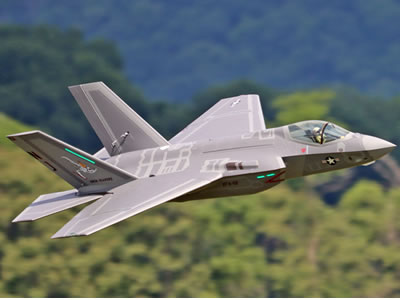


Freewing F-35C Lightning II 12S 110mm ARF Plus jet


Freewing F-35C Lightning II 12S 110mm ARF Plus jet


Stage 8: Battery installation & Center of Gravity (CG) tuning (most critical flight step)

  1. Open the top fuselage battery hatch behind the cockpit. Secure the 12S Li Po battery using hook and loop tape on the battery tray.
  2. Official CG datum for the Freewing 110 mm F 35C: 110�C115 mm back from the leading edge of the main wing root (fuselage wing shoulder).
    • Move the battery forward if the nose pitches up (tail heavy, unstable).
    • Shift the battery rearward if the nose dives sharply (nose heavy, sluggish turns).
  3. Once CG is correct, secure excess battery power wiring with zip ties to prevent loose wires from hitting the 110 mm EDF fan.

Stage 9: Final pre flight control surface check

  1. Double check all control surface directions:
    • Aileron: Right stick right next right aileron dips down
    • Elevator: Right stick back next elevator deflects upward
    • Rudder: Left stick left next vertical tail rudder moves left
  2. Reverse servo direction in your radio menu if any surface moves backwards.
  3. Cycle landing gear, test flaps, check all wiring is clear of moving parts and the EDF inlet/exhaust.
  4. Inspect the 110 mm EDF fan; ensure zero debris inside the fan shroud before the maiden flight.

Quick assembly order recap (field setup version for flying field fast build up)

  1. Attach horizontal tails . 2. Attach vertical stabilizers . 3. Install carbon spar + lock on main wings next 4. Plug in all servo/LED plugs next 5. Mount battery next 6. CG balance next 7. Gyro recalibrate next 8. Pre flight check next Fly

Freewing K-8 Karakorum 80mm EDF PNP Jet
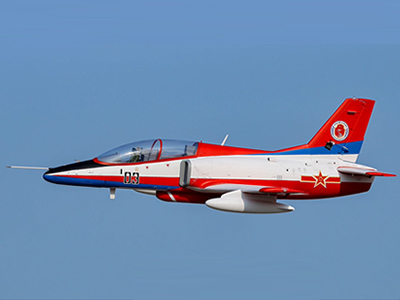
Freewing K-8 Karakorum 80mm EDF PNP Jet


Freewing K-8 Karakorum 70mm EDF PNP Jet

Freewing K-8 Karakorum 70mm EDF PNP Jet


3.Freewing F-35 110mm EDF jet

Air Force
Freewing F-35C Lightning II Super Scale 110mm EDF Jet with Gyro RC Airplane

Read more…

Freewing Zeus 45NT Turbine Kit S Jet

freewing-zeus-45nt-turbine-rc-airplane-a.jpg


The Freewing Zeus 45NT Turbine 1200mm Wingspan Kit+ S RC Airplane is the latest sport jet offering from Freewing. Featuring a sporty and highly aerodynamic design, the Zeus is made in China Freewing model,s fastest sport jet yet, reaching speeds of 130 miles per hour (210 kmh) in level flight. Additionally, the red, grey and white livery offers an attractive, bold presence that can be seen easily in the skies. Impressively designed, the wings are glue and screw-free utilizing a quick release wing lock mechanism that makes installing and removing the wings a simple and quick experience.

Each control surface is managed by a 17 gram metal gear servo for quality and confidence.Offered in Kit Plus S version, , the Zeus promises to deliver the most powerful thrust-to-weight ratio of all the Freewing sport jets before it. Take to the skies and experience the incredible thrill and neck-turning speed of the Zeus!

Feel The Need For Speed
The Freewing Zeus 45NT Turbine 1200mm Wingsapn Kit+ S RC Airplane is the fastest sport jet developed by Freewing to date. the Zeus is sure to quench your thirst for acceleration.

Quick-Install Release Wings
The Freewing Zeus 45NT Turbine 1200mm Wingspan Kit+ S Jet features a screwless quick release wing design that makes field assembly and disassembly a breeze.

Slow Your Roll
The Freewing Zeus 45NT Turbine 1200mm Wingspan Kit+ S RC Airplane a thrust-reversing enabling a brake-like effect, effectively reducing your roll out on landings. This is especially useful on shorter, paved runways.

Grass Friendly
The Freewing Zeus 45NT Turbine 1200mm Wingsapn Kit+ S RC Airplane comes with CNC-machined struts with a trailing link design that can handle most reasonably-mowed grass fields with ease.

Navigation and Position Lights
The Freewing Zeus 45NT Turbine 1200mm Wingsapn Kit+ S RC Airplane features daylight-bright LED lights on the wing tips, top and bottom of the fuselage, as well as a landing light that is mounted on the nose gear strut.

Vivid Color Scheme
The color scheme on the Freewing Zeus 45NT Turbine 1200mm Wingsapn Kit+ S RC Airplane is bright and vivid, providing great visibility in all types of situations and conditions.

Full Landing Gear Doors
The Zeus has fully sequenced gear doors, including inner main gear doors for lower drag and better sport jet performance.

Features:

Sleek, aerodynamic design for incredible sport jet performance
Quick release main wings provide a simple and easy process for installing and removing the wings
CNC-machined landing gear struts with trailing link design for better grass-field operations
Daylight-bright LED lights located on the wing tips, top and bottom of the fuselage and a landing light on the nose gear strut
5 units 17g digital metal gear metal gear servos for all control surfaces
2 units 9g digital hybrid metal gear servos for nose gear steering and nose gear doors
2 units 23g digital metal gear metal gear servos for vertical stabilizer
full function Freewing Flight Stabilizer Gyro inside
Fully sequenced gear doors, including inner main gear doors for lower drag and better performance
Nylon hinges on all control surfaces

 more info:https://www.freewing-model.com/freewing-zeus-45nt-turbine-rc-airplane.html

Model Scale


Wingspan

1200mm / 47.24in

Length

1450mm /57.1in

Empty Weight

3570g (w/o battery,(w/o oil and (w/o Engine)

CG (Center of Gravity)

120mm (4.7") from the leading edge of the wing at the root

Turbine Engine System Suggestion

Xicoy X45,X60,SW55,kingTech K-30,kingTech K-45(not- installed)

The capacity of the main fuel tank.

1150CC

The capacity of the Anti-bubble fuel tank.

150CC

Brake Control System.

ABS brake Control System

Servos

5 units 17g digital metal gear metal gear servos for all control surfaces

2 units 9g digital hybrid metal gear servos for nose gear steering and nose gear doors
2 units 23g digital metal gear metal gear servos for brake system
full function Freewing Flight Stabilizer Gyro inside


Landing Gear

Electronic retractable main gear and steerable nose gear with all metal shock absorbing struts

Required Battery

2S 22.2V 4000mAh to 5000mAh LiPo with EC5 connector (not included)

Required Radio

6 Channel (required)

Ailerons

Yes

Elevator

Yes

Rudder

Yes

Flaps

Yes

Lights

Yes

Hinge Type

Nylon Reinforced

Material

EPO Foam

Skill Level

Intermediate

Build Time

1 Hour

Recommended Environment

Outdoor, 150+ foot paved runway or short manicured grass

Package details Include:

Freewing Zeus 45NT Turbine 1200mm Wingspan Kit+ S RC Airplane

Electronic retractable landing gear (Pre-installed)

2 units fuel tank,and Flight Stabilizer Gyro (Pre-installed)

servos,landing gear retracts(Pre-installed),all Servos(Pre-installed)

It requires:

1,6 Channel Radio and 6 Channel Receiver.
2,Turbine Engine system
3, 22.2V 4000mAh to 5000mAh 2S Li-Po battery with EC5 Connector


https://www.freewing-model.com/freewing-zeus-45nt-turbine-rc-airplane.html

Read more…
Assess the Damage: What's Wrong with Your Foam Plane?

Remote control (RC) airplanes have captured the imagination of aviation enthusiasts for generations, offering a thrilling way to experience the joy of flight without leaving the ground. Whether you're watching a skilled pilot perform intricate aerobatic maneuvers or taking your first steps into this fascinating hobby, understanding how these miniature aircraft work can enhance your appreciation and success in RC aviation. This comprehensive guide will show the fundamental principles, essential components, and practical knowledge needed to understand, operate, and even build your own RC airplane.

Taking off with an RC plane depends on the propeller, a crucial but occasionally overlooked component. Just as crucial as choosing any propeller for your airborne adventures is choosing the right ally. The proper propeller balances the aircraft's power and elegance to provide the best possible flight performance and maneuverability.

This article will help you grasp the nuances of prop size, material, and pitch and how they interact with your engine to sustain thrilling and smooth flights. A lot of successful takeoffs and landings may be achieved by selecting the proper propeller with our expert help, which makes the process more scientific and less artistic.


What Are Propeller Dynamics: Blades, Pitch, and Diameter
When it comes to RC planes, the propeller is your engine's first mate, translating power into motion. Here's a breakdown of its essential parts:

Blades
The workhorses are the blades that provide propulsion by slicing through the air. For maximum thrust, two blades is the benchmark for efficiency; adding more will result in a larger engine load.

Pitch
Consider the pitch as the angle that establishes the 'screw' or how far your propeller will travel in a single revolution through the air. A plane with a steeper pitch will fly farther between spins, increasing speed but putting more strain on the motor.

Diameter
Diameter is all about reach; a larger one grabs more air and provides greater push for more stable flight, making it ideal for larger aircraft or novices. Aerobatic pilots and racers prefer smaller diameters because they allow for faster spins and snappier speeds.


What Propeller Materials Can You Choose ?


Let's talk about the pros and cons of the three most common materials: plastic, wood, and carbon fiber.

Plastic
Plastic props are affordable and widely available, making them a go-to for casual flyers and beginners. They're lightweight and less brittle in cold weather compared to other materials. However, they may flex under high load, which can reduce efficiency and performance.

Wood
Propellers made of wood combine stiffness and lightweight in a harmonious way. They improve flight qualities by being quieter and having a smoother reaction. The drawbacks are that they can fracture from strong impacts and warp due to dampness.

Carbon Fiber
Carbon fiber is the best option for a dedicated enthusiast. Because it is lighter than other materials and incredibly robust, it enables fine control at high speeds. Better power transfer is another benefit of its stiffness. The cost in kind The cost of carbon fiber is higher, and it can be more likely to collapse catastrophically and suddenly in an impact.

Choosing the appropriate material for your flight will rely on your goals, skill level, and financial constraints.

1400 F4U Corsair
How to Choose the Propeller Sizing
Here's how to zero in on that perfect fit:

1. Measure Up
Consult the instructions that came with your RC plane; it will frequently recommend a suitable range for your propellers. Make a note of the motor size and necessary thrust if you're experimenting or don't have a manual. The diameter of the propeller should match the motor's ability to spin it without strain; if the propeller is too big, the motor can overheat; if it is too small, the plane won't get enough thrust.

2. Power and Weight Considerations
The engine power tells you a lot about the size of the prop. A bigger diameter or higher pitch can be handled by an engine with greater power. But take into account the weight of the aircraft��the heavier the plane, the more thrust is required. A larger diameter propeller with a moderate pitch works best for heavier planes in order to maximize lift over speed.

FMS Cessna 182 1500mm PNP Blue RC Airplane

FMS Cessna 182 1500mm PNP Blue RC Airplane


FMS Cessna 182 1500mm PNP Red RC Airplane

FMS Cessna 182 1500mm PNP Red RC Airplane

1400mm Zero
Syncing Propeller with Motor
Connecting the dots between your motor and the propeller is crucial for aerial harmony. Motors come in various types��brushed or brushless��and power ratings, measured in kilovolts (KV), which denote the rpm per volt applied. Here's how they play together:

Motor Type and Propeller Compatibility
Propellers with a higher pitch can be used in conjunction with brushless motors to achieve quicker flights because they are more efficient and have a higher speed limit. Because brushed motors are less powerful, they usually work well with propellers that have a lower pitch for movements that are more regulated and steady.

Motor Specs
Verify the maximum amp draw (or amount of current) and KV rating of your motor. To prevent drawing too much current, a high-KV motor spins quickly and is best suited for a smaller, low-pitch propeller. On the other hand, a larger, higher-pitch propeller works better with a low-KV motor that spins more slowly to produce greater thrust without taxing the motor.

FMS PA-18 1300mm Super Cub with Reflex V2 RC Airplane

FMS PA-18 1300mm Super Cub with Reflex V2 RC Airplane


FMS Fox Aerobatic EP Glider with Reflex V2 PNP RC Airplane

FMS Fox Aerobatic EP Glider with Reflex V2 PNP RC Airpla

1100mm PC21
Propellers Tailored for Your Flight Aspirations
The propeller you choose can pivot the flight capabilities of your RC plane, from doing tight barrel rolls to cruising steadily for scenic flights.

Acrobatic Agility
For the stunt performers aiming for rolls, loops, and sharp turns, a smaller diameter propeller with a higher pitch is ideal. It allows for quick bursts of speed and responsive control, which are essential for precision aerobatics.

Endurance Explorer
Those who want to take long flights with stable control should use a propeller with a lower pitch and a greater diameter. Ideal for relaxing soaring or aerial photography, this arrangement maximizes efficiency and delivers steady power, leading to longer flight periods and better handling.

Speed Seeker
If your goal is to race down a straightaway at top speeds, choose a medium-sized propeller with a high pitch that is well-balanced to convert the power of your motor into maximum forward thrust without overtaxing the system.

FMS warbird RC plane
The Last Word on RC Aviation
A vital first step in making sure your remote control aircraft takes off and performs well in its intended duty is selecting the appropriate propeller. Propeller and motor harmony is essential whether you're performing sophisticated aerial feats, going on endurance flights, or reaching new speeds. Recall that balance and compatibility are crucial to the performance of your aircraft��it's not simply about raw power.

Consider your propeller's material, size, and pitch in relation to your motor's specifications and the requirements of your flying style. Your RC plane will be equipped to soar to new heights by careful selection based on an awareness of these components, giving you the ultimate flying experience catered precisely to your goals in the wide blue yonder.


Finalize Your Foam Plane Repair

How to Fix Foam RC airdraft Step by Step

What is the main difference between RC airdraft and RC Model

How to Choose Correct RC model for beginners

FMS 90mm edf avanti jet Review unboxing in 2025 in Foshan city,China

FMS Rafale 64mm EDF Jet Review in 2025

Read more…

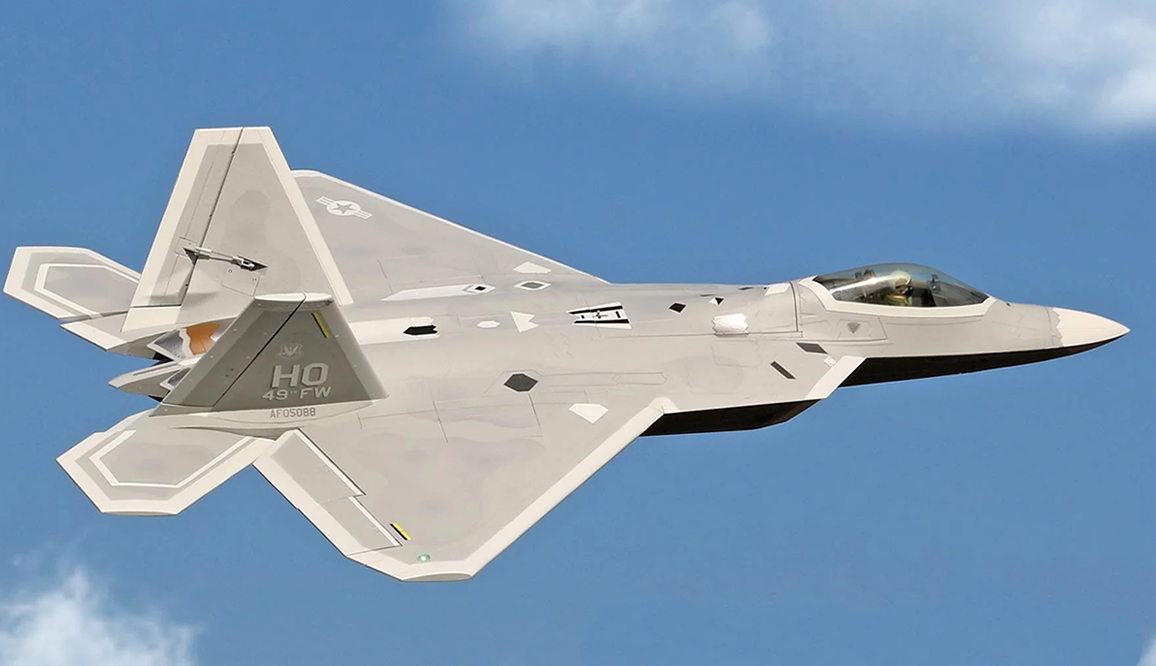
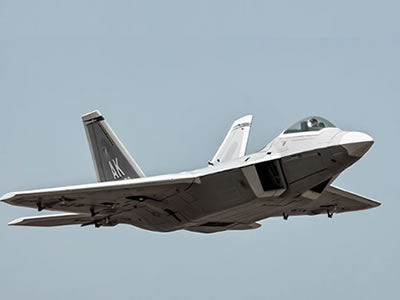
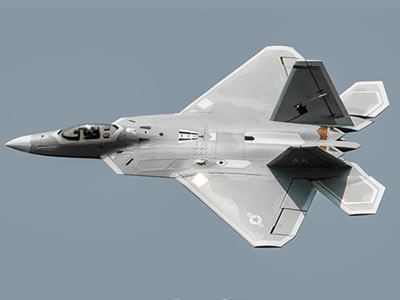
Freewing F-22 Raptor 80mm EDF PNP Jet

Freewing F-22 Raptor 80mm EDF PNP Jet

The Freewing F-22 Raptor 80mm EDF PNP Jet captures the iconic presence of the world’s most advanced air superiority fighter with exceptional scale detail in a pilot-friendly design. This EDF jet delivers unparalleled realism and flight experience with features like molded-in panel lines, rivet details, and fully sequenced gear doors for a sleek, aerodynamic, and authentic look.

Designed for convenience and performance, the F-22 features screwless, quick-release wings for effortless assembly and transport. Its 12-blade 80mm EDF power system, paired with a high-performance 3658-2150Kv inrunner motor, ensures smooth, powerful thrust and breathtaking speed. Stability is enhanced with the pre-installed Freewing EG01 6-axis gyro, making this jet accessible to both experienced pilots and those new to EDF flying.

With shock-absorbing CNC-machined aluminum struts, spring-loaded battery access hatch, and colorful LED navigation lights, the Freewing F-22 Raptor is as practical as it is stunning. From precise aerobatics to smooth landings, every flight feels as advanced as the jet it replicates.

Whether you're a seasoned EDF pilot or looking to take your first steps into the world of jet-powered flight, the 70mm EDF F-22 delivers the performance, realism, and convenience you need to make every flight unforgettable.

Quick Release Wings,and Screwless

Enjoy effortless assembly and disassembly with the innovative quick release wing system.

It is Pre-Installed 6-Axis Gyro Inside

The Freewing EG01 6-axis gyro is included and pre-programmed providing a more stable and enhanced flying experience.it is easy to control.

Scale Detailing

Highly detailed surfaces with molded panel lines, rivets, and other details for a realistic appearance..

Tight Closing, Sequenced Gear Doors

Full gear doors, both inner, outer main gear and nose gear automatically sequenced for enhanced scale realism and reduced drag.

Well-Protected

Plastic corner protection is located in key areas to help prevent hangar rash and general wear and tear..

Complete LED Light Package

Full navigation lights, landing lights, and lighted heads up display (HUD) provide enhanced realism and visibility..

Features:

  • Screwless, quick-release main wings simplify assembly and transport
  • Freewing EG01 6-axis gyro provides a stable and enhanced flying experience
  • CNC-machined aluminum oleo struts for smooth, durable landings
  • Inner and outer gear doors are fully sequenced for reduced drag and enhanced scale appearance
  • LED navigation and landing lights improve visibility and enhance the scale appearance
  • Highly detailed surfaces with molded panel lines and rivet details elevate scale realism
  • Detailed cockpit with painted pilot figure and illuminated heads up display (HUD)
  • High-performance 12-blade 80mm EDF for powerful, smooth thrust with an authentic jet sound
  • 3658-2150Kv inrunner motor for high-performance, speed and efficiency
  • 100A ESC with 7A UBEC, thrust reversing and EC5 connector for advanced control
  • Plastic corner protection helps prevent hangar rash and wear
  • Spring-loaded battery hatch allows quick and easy battery access
  • Carbon fiber wing spars add strength while minimizing weight
  • Ball linkages on all control surfaces ensure precise control
  • Nylon hinges provide long-lasting durability

Includes:

  • Freewing F-22 Raptor 80mm EDF Jet with EG01 6-axis Gyro PNP RC Airplane
  • 12-blade 80mm EDF power system was pre-installed
  • 3658-2150Kv inrunner motor was pre-installed
  • 100A ESC with reverse thrust and EC5 connector were pre-installed
  • Electronic, retractable landing gear werepre- installed
  • all LED lightings were pre-installed
  • All Servos were pre-installed inside

Requires:

  • 6-8 channel radio (8 required for thrust reversing)
  • 6-8 channel receiver (8 required for thrust reversing)
  • 6S 22.2V 4000-5000mAh LiPo with EC5 Connector-
  • Minimum 6 Cell Battery Charger .
Product Specifications:
AGE LEVEL :14 and up
SKILL LEVEL :Intermediate
BUILD TIME :1 hour
Scale1/16
Wingspan935mm / 36.8in
Length1300mm / 51.2in
Flying Weight2530g / 89.2oz
CG (Center of Gravity)115mm from the leading edge of the wing at the wing root
Power System3658-2150Kv inrunner motor
Electronic Speed Control100A brushless with 7A UBEC and thrust reversing
Propeller / EDF80mm EDF with 12-blade fan
Servos
  • Nose gear steering
  • Nose gear door
  • Left and right aileron
  • Left and right flap, left and right rudder
  • Left elevator
  • Right elevator
  • Left main gear door
  • Right main gear door
Landing GearCNC-machined aluminum, shock absorbing, retractable landing gear
Required Battery6S 22.2V 4000-5000mAh LiPo with EC5 Connector
Required Radio6-8 channels (8 required for thrust reversing)
AileronsYes
ElevatorYes
RudderYes
FlapsYes
LightsYes
Hinge TypeNylon
MaterialEPO foam
Skill LevelIntermediate
Build Time1 Hour
Recommended EnvironmentOutdoor
​

Freewing F-22 Raptor 80mm EDF PNP Jet Flight Image

Freewing F-22 Raptor PNP 80mm ARF Plus EDF Jet

To See More image

Read more…

FMS Ranger 1220mm PNP Reflex Yellow RC airplane

FMS Avanti 90mm EDF Jet PNP RC Airplane

FMS Ranger 1220mm PNP V2 with Reflex RC Airplane


More info:

FMS Ranger 1220mm PNP V2 yelow RC Airplane with Reflex RC Airplane cheap wholeslale discount price,FMS official store.

The FMS 1220mm Ranger V2 Yellow RC airplane retains all of the fantastic features that pilots have come to expect from FMS- stable flight characteristics, easy to assemble airframe and realistic, general-aviation inspired design.

Built with ultralight EPO foam, the large, high-winged airframe configuration gives the Ranger low wing-loading and extraordinary amounts of lift, even at slow speeds. Robust plastic struts give extra strength to the wings during aerobatic maneuvers and the patented high-strength tricycle landing gear makes ground handling a breeze.

A great aircraft is nothing without a great, dependable power system and FMS has equipped the Ranger with a 3136/1200KV outrunner motor with 20A Predator ESC, which allows the Ranger to climb almost vertically on demand! In the box, the Ranger comes with two sets of landing gears- a high-strength metal landing gear for ground operations. Designed with a yellow and white high-visibility color scheme, the Ranger can always be easily orientated even in gloomy, overcast weather.

Like the Super-EZ and the Kingfisher, the Ranger is designed with ease of assembly in mind. Requiring only 6 (wheeled landing gear) to completely assemble, the longest wait time is the time it takes to charge the battery!

Also included FREE is FMS’s new Reflex System - an advanced flight control module designed to provide electronic stabilization while retaining natural flight characteristics.


Features

High-spec power system: 3136-1200KV motor, Predator 20A ESC
High strength, lightweight metal landing gear for all-ter-rain operations.
Screw-together and twist-lock assembly,completed in 3-10 minutes
10-15 minute flight times (RTF specification)
One piece horizontal stabilizer for precise flight character-istics


Specifications

Wingspan: 1220mm/48in
Overall Length: 947mm/37.3 in
Flying Weight: 1200g/oz
Motor Size: 3136-1200KV
ESC: 20A
Servo: 9g Servo x 5pcs
Radio: 4 Channel
CG (center of gravity): 50-60mm(From Leading Edge)
Prop Size: 10*5 2-blade
Recommended Battery: 3S 1300MAH 25C
Battery Connector: XT-60
Aileron: Yes
Elevator: Yes
Rudder: Yes
Flaps: No
Retracts: No
Approx. Flying Duration: 10 min
Minimum Age Recommendation: 14+
Experience Level: Intermediate
Recommended Environment: Outdoor
Material: Durable EPO

Required To Complete

4 channels Transmitter
4 channels Receiver
3S 1300mah 25C Lipo Battery and Lipo Battery Charger
AA small batteries for remote comtroler


FMS Avanti 90mm EDF Jet PNP RC Airplane


FMS F-16 Battlefield Gray 64mm Jet RC Airplane


FMS F-16 Battlefield Gray 64mm Jet RC Airplane


FMS F-16 Thunderbird 64mm Jet RC Airplane


FMS F-16 Thunderbird 64mm Jet RC Airplane


FMS Cessna 182 1500mm PNP Blue RC Airplane


FMS Cessna 182 1500mm PNP Blue RC Airplane


FMS Cessna 182 1500mm PNP Red RC Airplane


FMS Cessna 182 1500mm PNP Red RC Airplane


FMS Integral 80mm EDF PNP Red RC Jet


FMS Integral 80mm EDF PNP Red RC Airplane


FMS Integral 80mm EDF PNP Blue RC Jet


FMS Integral 80mm EDF PNP Blue RC Jet

Read more…

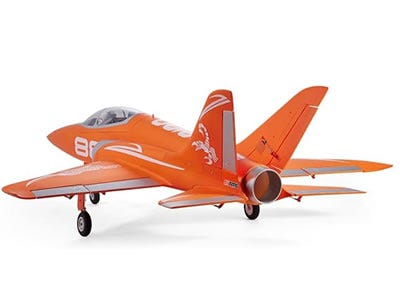
FMS Super Scorpion V2 90mm EDF Jet PNP 6S Orange RC Airplane


Features

1.Improved CNC machined trailing link struts, ensuring smooth suspension and effectively reducing the impact force to the airframe during takeoff, landing, and taxiing.
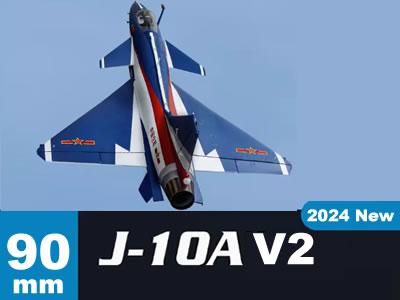
2.Available in both 6S (3670-KV1950 inrunner motor) and 8S (4075-KV1500 inrunner motor) versions.
3.Available in two different paint schemes; orange and Orangeuflage!
4. Electric retracts with locked-rotor mode and over-current protection.
5. Multi-plug connectors for added durability, reliability, and ease of assembly.
6. Preinstalled ball link connector for increased throw and precision.
7. Screw-together assembly.
8. High-quality wear-resistant tires.
9. Buckle-design latch prevents unexpected canopy release in flight.
10. Flap functionality to help ease takeoff and landing.
11. Environmentally friendly water-based paint for better color and adhesion.
12. High quality EPO foam.

what is in the package Box:

(1) FMS 90mm Super Scorpion V2 Orange EDF PNP
(2) 120A ESC with Reverse Thrust Function (pre-installed)
(3) 6S 3670-KV1950 inrunner EDF motor pre-installed)
(4) 90mm 12-blade ducted fan (pre-installed)
(5) 9 High-precision All-metal Digital Servos (pre-installed)
(6) paper Manual


FMS Avanti 90mm EDF Jet PNP RC Airplane


FMS Super Scorpion V2 90mm EDF Jet PNP 6S Came Jet


FMS Avanti 90mm EDF Jet PNP RC Airplane


FMS Super Scorpion V2 90mm EDF Jet PNP 6S Orange Jet


FMS Avanti 90mm EDF Jet PNP RC Airplane


FMS Super Scorpion V2 90mm EDF Jet PNP 8S Came Jet


FMS Avanti 90mm EDF Jet PNP RC Airplane


FMS Super Scorpion V2 90mm EDF Jet PNP 8S Orange Jet


FMS Avanti 90mm EDF Jet PNP RC Airplane


FMS Avanti 90mm EDF Jet PNP RC Airplane


FMS F-16 Battlefield Gray 64mm Jet RC Airplane


FMS F-16 Battlefield Gray 64mm Jet RC Airplane


FMS F-16 Thunderbird 64mm Jet RC Airplane


FMS F-16 Thunderbird 64mm Jet RC Airplane

It Requires:

(1) 6 Channel Transmitter and Receiver
(2) 6S (22.2V 5000mAh-6000mAh 45c with EC5 connector)
(3) LiPo Battery Charger

Notes to Buyers

RTF (Ready to Fly) airplanes come with everything you need to fly in the box. A transmitter, receiver, battery, charger, and all other required electronics are included and pre-installed from the factory.
PNP (Plug-and-Play) airplanes include the ESC, motor, and servos all pre-installed from the factory. Transmitter, receiver, battery, and charger are not included.
EPO foam and cockpits can bubble or deform in high heat. To prevent this, avoid leaving them in direct sunlight when not in use.
Reflex V3 is not included and needs to be purchased separately.
6-channel receiver is needed for Ailerons, Elevator, Throttle, Rudder, Landing Gear, and Flaps. Upgrade to 7 or more channels for advanced features like Thrust Reverse and Reflex Control.

Specification

Model6S8SWingspan1140mm /44.9 in1140mm /44.9 inOverall Length1320mm /52in1320mm /52inFlying WeightAround 3500gAround 3950gMotor Size3670-KV19504075-KV1500ESC120A120AServo13gX5pcs13gX5pcsServo23gX4pcs23gX4pcsRadio6CH Channel6CH ChannelCG (center of gravity)150–160mm150–160mmProp Size90mm 12-blade ducted fan90mm 12-blade ducted fanRecommended Battery22.2V 5000mAh-6000mAh 45c with EC5 connector29.6V 5000mAh-5500mAh 45c with EC5 connectorAileronYesYesRudderYesYesFlapsYesYesRetractsYesYesApprox. Flying Duration3 minutes3 minutesMinimum Age Recommendation14+14+Experience LevelIntermediateIntermediateAssembly Time10 minutes10 minutesWing Load119 g/dm2 (0.23oz/in2)134.3 g/dm2 (0.26oz/in2)Wing Area29.4dm2 (455.5 sq.in)29.4dm2 (455.5 sq.in)

RTF :(Ready to fly): A RTF plane includes the plane with the radio, receiver, battery, charger, motor, servos, retracts (if it has) and ESC already in place.

PNP:(Plug and Play) — A PNP foam plane includes the plane with the motor, servos, retracts (if it has) and ESC already in place. Battery and charger are not included. Radio and receiver are not included.

Notes to Buyers

RTF (Ready to Fly) airplanes come with everything you need to fly in the box. A transmitter, receiver, battery, charger, and all other required electronics are included and pre-installed from the factory.
PNP (Plug-and-Play) airplanes include the ESC, motor, and servos all pre-installed from the factory. Transmitter, receiver, battery, and charger are not included.
EPO foam and cockpits can bubble or deform in high heat. To prevent this, avoid leaving them in direct sunlight when not in use.
Reflex V3 is not included and needs to be purchased separately.
6-channel receiver is needed for Ailerons, Elevator, Throttle, Rudder, Landing Gear, and Flaps. Upgrade to 7 or more channels for advanced features like Thrust Reverse and Reflex Control.

Specification

Model6S8S
Wingspan1140mm /44.9 in1140mm /44.9 in
Overall Length1320mm /52in1320mm /52in
Flying WeightAround 3500gAround 3950g
Motor Size3670-KV19504075-KV1500
ESC120A120A
Servo13gX5pcs13gX5pcs
Servo23gX4pcs23gX4pcs
Radio6CH Channel6CH Channel
CG (center of gravity)150-160mm150-160mm
Prop Size90mm 12-blade ducted fan90mm 12-blade ducted fan
Recommended Battery22.2V 5000mAh-6000mAh 45c with EC5 connector29.6V 5000mAh-5500mAh 45c with EC5 connector
AileronYesYes
RudderYesYes
FlapsYesYes
RetractsYesYes
Approx. Flying Duration3 minutes3 minutes
Minimum Age Recommendation14+14+
Experience LevelIntermediateIntermediate
Assembly Time10 minutes10 minutes
Wing Load119 g/dm2 (0.23oz/in2)134.3 g/dm2 (0.26oz/in2)
Wing Area29.4dm2 (455.5 sq.in)29.4dm2 (455.5 sq.in)


RTF :(Ready to fly): A RTF plane includes the plane with the radio, receiver, battery, charger, motor, servos, retracts (if it has) and ESC already in place.

PNP:(Plug and Play) - A PNP foam plane includes the plane with the motor, servos, retracts (if it has) and ESC already in place. Battery and charger are not included. Radio and receiver are not included.

KIT: A KIT plane is an airframe only. It does not include any motor, ESC, or servos (though usually includes servoless retracts on planes with retracts).

FMS Super Scorpion V2 90mm EDF Jet PNP 6S Orange Color RC Airplane cheap wholeslale discount price,FMS Model official store.

Read more…
Freewing F-16 V2 90mm EDF Jet 8S PNP JET
Freewing F-16 V2 90mm Fighting Falcon EDF Jet 6S PNP RC Airplan Specifications:

This Product is available in stock.


Note:This is the High Performance 6S version which includes a 3668-1960Kv inrunner motor with 12-blade EDF and a thrust reversing 120A ESC. just add your own battery with EC5 Connector to begin flying.

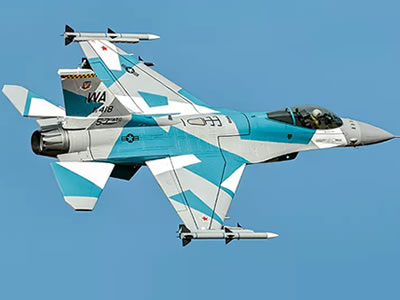
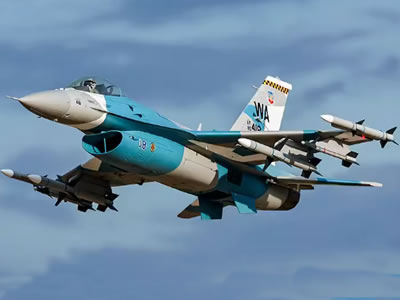
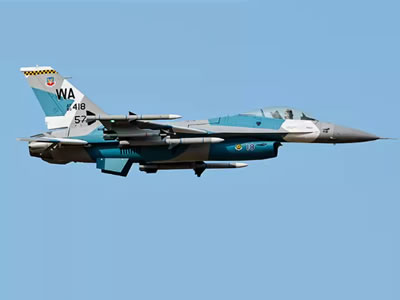
in 2024,The Freewing F-16 V2 90mm EDF 6s PNP Jet from Freewing Model showcases a range of performance and design upgrades that elevate realism, flight capability, and convenience. Featuring a striking 64th Aggressors Livery, this model honors the distinguished 64th Aggressor Squadron, part of the legendary Aggressor program initiated in 1972. This squadron played a crucial role in training pilots through dissimilar air combat tactics, emulating potential adversaries.

With quick-release wings, an easier fuselage assembly, and a slide rail system for armament, the updated F-16C 90mm prioritizes ease of use. Additionally, the scale appeal and functionality have reached new heights with fully functional, servo-driven air brakes, updated scale details, extra molded-in rivets, painted landing gear, and other intricate detail components. The Freewing F-16C 90mm is designed to impress.

The new power system, featuring a 3668-1980Kv inrunner motor and a 12-blade EDF, delivers exceptional speed and power for long vertical climbs and rapid show passes over the runway. It also includes reverse thrust for short landing rollouts.

Experience the thrill and precision of the Freewing F-16 V2 90mm EDF is a true tribute to its full-scale counterpart, bringing advanced aerodynamics and stunning detail to your collection.


64th Aggressor Squadron Livery

Featuring an iconic 64th Aggressor Squadron livery, the Freewing F-16 V2 90mm JET showcases the legendary training unit.
Quick Release Wings

Enjoy effortless assembly and disassembly with the innovative quick release wing system.
Scale, Servo-Driven Airbrakes

Enhanced realism with fully functional, servo driven airbrakes that can be controlled from the transmitter.
Updated 3668-1980Kv Power System

Enhanced power and speed with the updated 3668-1980Kv inrunner motor and thrust reversing with the included 120A ESC.
Spring Loaded Cheater Holes

Equipped with spring loaded cheaters that actuate in flight for enhanced in flight performance while maintaining scale appeal on the ground.
Quick Attach Rail System for Armament

Easily install and remove armament with the updated quick attach rail system.
Added Scale Details

Extra molded-in rivets and detailed plastic components elevate the scale realism.
Larger Battery Compartment

Spacious battery compartment to easily accommodate various battery sizes and configurations for 6 or 8S LiPo systems.


Features:
it is 64th Aggressors Camo Livery: A striking, historically inspired camouflage design
it is with Power System: 3668-1980Kv Inrunner Motor with a 90mm 12-blade EDF
it has 120A Brushless ESC with 8A UBEC and Thrust Reversing: Provides reliable and efficient power management as well as thrust reversing capability
Screwless, Quick-Release Main Wings: For easy assembly and transport
Scale, Servo-Driven Air Brakes: Enhances scale realism and performance
Quick Attach Rail System: Simplifies fuel tank and armament attachment
Additional Molded-In Scale Rivet and Panel Details: Adds to the model's scale appeal and authenticity
Increased Battery Compartment Size: Accommodates larger batteries
Plastic Corner Protection: Around the battery compartment and fuselage chines for added durability
Additional Plastic Scale Details Included: Enhances the model's visual appeal
Spring-Loaded Cheater Holes: Improves power, speed, and overall performance
Stronger Landing Gear Mounts and Painted, CNC-Machined Landing Gear: Adds scale aesthetic appeal and adds durability
Spring-Loaded Battery Latch: Secures the battery with ease
Glueless Rear Fuselage Assembly: Simplifies the build process
Officially Licensed by Lockheed Martin
Sequenced gear doors provide added realism and reduced drag
Bright LED navigation and landing lights for enhanced realism and dawn/dusk maneuvers
Carbon fiber wing spars
Ball linkages on all control surfaces
Nylon hinges on all control surfaces

Package Box Includes:
Freewing F-16 V2 High Performance 90mm EDF Jet - PNP
12-Blade EDF power system (installed)
The 3668-1980Kv brushless inrunner motor system (installed)
120A Brushless ESC with reverse thrusting and EC5 connector (installed)
Electronic retractable landing gear (installed)
All Servos, LED Lights are pre-installed

Requires:
6 Channel radio - select a minimum 6 channel radio (8 channels for thrust reversing and gyro mode function)
6 Channel receiver
6 Cell 22.2V 5000 mAh LiPo battery with EC5 connector
6 Cell compatible Lipo battery charger


Freewing F-16 V2 90mm EDF Jet 8S PNP Jet


Freewing F-16 V2 90mm EDF 6S PNP Jet


Freewing F-16 V2 90mm EDF 6S PNP Jet


Freewing F-16 V2 90mm EDF ARF Plus Jet


Freewing F-16 V2 90mm EDF ARF Plus Jet


Model Scale 1/10 Scale
Wingspan 955mm / 37.6in
Length 1457mm /57.4in
Empty Weight Empty Weight 3.17kg (7.0lbs) without battery and armament
CG (Center of Gravity) 110mm (4.3") from the leading edge of the wing at the root
Power System 3668-1980Kv Inrunner Motor
Electronic Speed Control 120A Brushless with 8A UBEC, thrust reversing, EC5 Connector
Propeller / EDF 90mm 12-Blade EDF
Servos
  • 9g hybrid digital standard with 300mm lead : nose gear steering
  • 9g hybrid digital standard with 400mm lead : nose gear door
  • 17g metal gear digital standard with 100mm lead : left rudder, right rudder
  • 23g metal gear digital reverse 100mm lead : right elevator
  • 23g metal gear digital standard 100mm lead : left elevator
  • 17g metal gear digital standard with 200mm lead : left flap, right flap
  • 17g metal gear digital standard with 300mm lead : left aileron, right aileron
Landing Gear Electronic retractable main gear and steerable nose gear with all metal shock absorbing struts
Required Battery 6S 22.2V 5000mAh LiPo with EC5 connector (required)
Required Radio 6 Channel (required)
Ailerons Yes
Elevator Yes
Rudder Yes
Flaps No
Lights Yes
Hinge Type Nylon Reinforced
Material EPO Foam
Skill Level Intermediate/Advanced/Expert
Build Time 1 Hour
Recommended Environment Outdoor, 150+ foot paved runway or short manicured grass

Spare parts For Freewing F-16 V2 High Performance 90mm EDF Jet

Read more…

Freewing F-22 Raptor 70mm EDF Jet

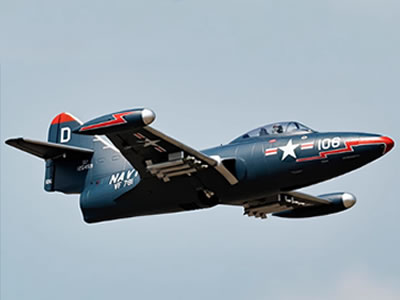
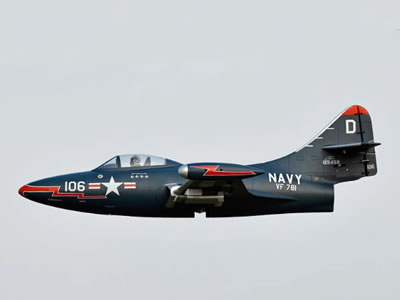
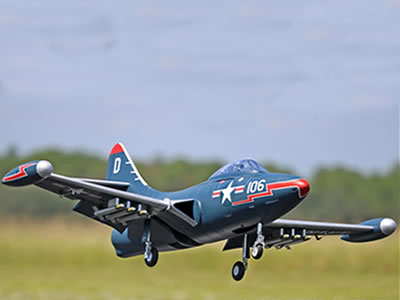
Freewing F9F Panther 70mm EDF Jet ARF Plus RC Airplane

Freewing F-22 Raptor 70mm EDF Jet is designed to captivate with its scale realism and ease of use. Featuring highly detailed surfaces with molded-in panel lines and sequenced nose gear doors, this model delivers an authentic, visually stunning experience. The screwless, quick-release main wings make assembly and transport effortless, while CNC-machined aluminum shock absorbing struts help ensure smooth landings. Powered by a 12-blade 70mm EDF power system that offers reliable performance and precise control, the F-22 is perfect for pilots seeking both speed and agility in the air.

Whether you're a seasoned EDF pilot or looking to take your first steps into the world of jet-powered flight, the 70mm EDF F-22 delivers the performance, realism, and convenience you need to make every flight unforgettable.

Quick Release Wings

Enjoy effortless assembly and disassembly with the innovative quick release wing system.

Freewing RC Model Sources List


Freewing F9F Panther 70mm EDF Jet ARF Plus Jet


Freewing F9F Panther 70mm High Performance EDF Jet RC Airplane


Freewing F9F Panther 70mm High Performance PNP EDF Jet


Freewing F9F Panther 70mm High Performance EDF Jet with Gyro PNP RC Airplane


Freewing F9F Panther 70mm High Performance EDF Jet with Gyro PNP


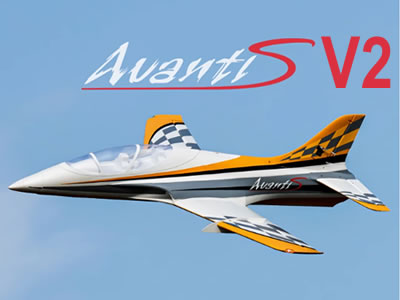
Freewing Avanti S V2 80mm Yellow Sport Jet  ARF Plus RC Airplane


Freewing Avanti S V2 80mm Yellow Sport Jet ARF Plus RC Airplane


Freewing Avanti S V2 80mm Yellow Sport EDF PNP Jet RC Airplane


Freewing Avanti S V2 80mm Yellow Sport EDF PNP Jet RC Airplane


Freewing F-22 Raptor 70mm EDF ARF Plus RC Jet


Freewing F-22 Raptor 70mm EDF ARF Plus RC Jet


Freewing F-22 Raptor 70mm EDF Jet with Gyro PNP RC Jet


Freewing F-22 Raptor 70mm EDF Jet with Gyro PNP RC Jet


Freewing F-22 Raptor 70mm EDF Jet PNP RC Jet


Freewing F-22 Raptor 70mm EDF Jet PNP RC Jet


Freewing F-16 V2 90mm EDF Jet 8S PNP JET


Freewing F-16 V2 90mm EDF Jet 8S PNP Jet


Freewing F-16 V2 90mm EDF 6S PNP Jet


Freewing F-16 V2 90mm EDF 6S PNP Jet


Freewing F-16 V2 90mm EDF ARF Plus Jet


Freewing F-16 V2 90mm EDF ARF Plus Jet


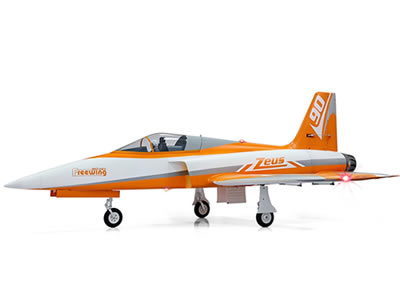
Freewing Zeus V2 90mm 6S PNP Airplane


Freewing Zeus V2 90mm 6S PNP EDF Jet


Freewing Zeus V2 90mm 8S PNP Airplane


Freewing Zeus V2 90mm 8S PNP EDF JET Airplane


Freewing Zeus V2 90mm ARF Plus EDF JET Airplane


Freewing Zeus V2 90mm ARF Plus EDF JET Airplane


Freewing J-10A V2 Blue 90mm 8S EDF Jet PNP Airplane


Freewing J-10A V2 90mm 8S EDF Jet PNP


Freewing J-10A V2 Blue 90mm 8S EDF Jet PNP Airplane


Freewing J-10A V2 90mm 6S EDF Jet PNP


Freewing J-10A V2 Blue 90mm ARF Plus Airplane


Freewing J-10A V2 90mm ARF Plus


Freewing A-10 Thunderbolt II V2 twin 64mm High Performance EDF Jet PNP Airplane


Freewing A-10 Thunderbolt II V2 twin 64mm High Performance EDF Jet PNP Airplane


Freewing F-14 Tomcat Twin 64mm EDF Jet PNP RC Airplane


Freewing F-14 Tomcat Twin 64mm EDF Jet PNP RC Airplane


Freewing F-14 Tomcat Twin 64mm EDF ARF Plus RC Airplane


Freewing F-14 Tomcat Twin 64mm EDF ARF Plus RC Airplane


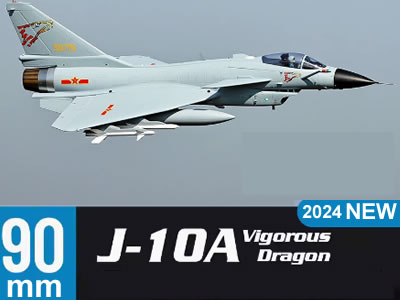
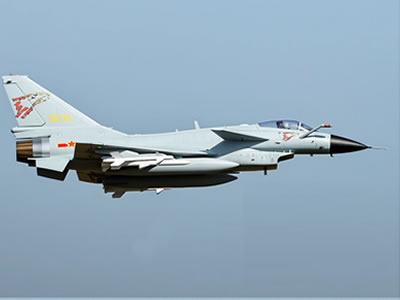
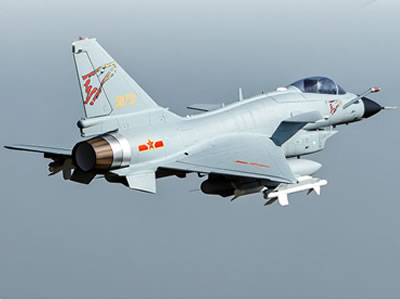
Freewing J-10A Vigorous Dragon 90mm Jet 8S PNP RC Airplane


Freewing J-10A Vigorous Dragon 90mm Jet 8S PNP RC Airplane


Freewing J-10A Vigorous Dragon 90mm Jet 6S PNP RC Airplane


Freewing J-10A Vigorous Dragon 90mm Jet 6S PNP RC Airplane


Freewing J-10A Vigorous Dragon 90mm Jet ARF Plus Airplane


Freewing J-10A Vigorous Dragon 90mm Jet ARF Plus RC Airplane


Freewing L-15 64MM 4S EDF Jet PNP RC Airplane


FFreewing L-15 64MM 4S EDF Jet PNP RC Airplane


Freewing L-15 64MM 6S EDF Jet PNP RC Airplane


FFreewing L-15 64MM 6S EDF Jet PNP RC Airplane


Freewing Zeus 90mm EDF Sport 6s Jet RC JET


Freewing Zeus 90mm EDF Sport 8s Jet PNP RC Airplane


Freewing Zeus 90mm EDF Sport 6s Jet PNP RC Airplane


Freewing Zeus 90mm EDF Sport 6S Jet PNP RC Airplane


Freewing Zeus 90mm EDF Sport ARF Plus RC Airplane


Freewing Zeus 90mm EDF Sport ARF Plus RC Airplane


Freewing F-16 Falcon V3 6S 70mm EDF PNP RC Airplane


Freewing F-16 Falcon V3 6S 70mm EDF PNP


Freewing F-16 V3 70mm EDF Jet ARF plus  RC Airplane


Freewing F-16 Falcon V3 6S 70mm EDF ARF Plus RC Airplane


Freewing F-16 V3 70mm EDF Jet - PNP RC Airplane


Freewing F-16 V3 70mm EDF Jet - PNP RC Airplane


Freewing F-22 V2 Raptor 64mm EDF Jet PNP 4S RC JET


Freewing F-16 V3 70mm EDF Jet - ARF Plus RC Airplane


Freewing F-22 V2 Raptor 64mm EDF Jet PNP 4S RC JET


Freewing F-22 V2 Raptor 64mm EDF Jet PNP 4S RC JET


Freewing F9F Panther V2 64mm 4S Blue EDF PNP RC Airplan


Freewing F9F Panther V2 64mm 4S Blue EDF PNP RC Airplan


Highly Detailed

Highly detailed surfaces with molded panel lines for a realistic appearance.

CNC-Machined Aluminum Struts

CNC-machined aluminum shock absorbing struts accentuate the scale appearance and help you achieve smooth landings.

Well-Protected

Plastic corner protection located in key areas to help prevent hangar rash.

Sequenced Nose Gear Doors

Sequenced nose gear doors were added for enhanced scale realism and lower drag.

Powerful Performer

Impressive power and speed with the 2957-2210Kv inrunner motor, 12 blade EDF and thrust reversing with the included 80A ESC.

Features:

  • Screwless, quick-release main wings for easy assembly and transport
  • CNC-machined aluminum shock absorbing struts accentuate the scale appearance
  • Sequenced nose gear doors for enhanced scale realism
  • Highly detailed surfaces with molded panel lines for a realistic appearance
  • 12-blade 70mm EDF for powerful, smooth thrust
  • 2957-2210Kv Inrunner Motor for high-performance speed and efficiency
  • 80A ESC with thrust reversing, 7A UBEC and EC5 connector for advanced control
  • Plastic corner protection located in key areas like intake leading edges, wing tips and the trailing edge of the fuselage to help prevent hangar rash
  • Spring-loaded battery hatch for quick and easy battery access
  • Carbon fiber wing spars for strength and light weight
  • Ball linkages on all control surfaces for precise control
  • Nylon hinges for long-lasting durability

Includes:

  • Freewing F-22 Raptor High Performance 70mm EDF Jet with Gyro Flight Control PNP Jet
  • 12-blade 70mm EDF Power System (installed)
  • 2957-2210Kv Inrunner Motor (installed)
  • 80A ESC with reverse thrust and EC5 connector (installed)
  • Electronic, retractable landing gear (installed)
  • Servos (installed)

Requires:

  • 6-7 Channel radio (7 required for Reverse Thrust)
  • 6-7 Channel receiver (7 required for Reverse Thrust)
  • 6 Cell 22.2V 4000 mAh LiPo battery with EC5 connector
  • 6 Cell compatible battery charger
Product Specifications:
AGE LEVEL :14 and up
SKILL LEVEL :Intermediate
BUILD TIME :1 hour

Scale

1/16

Wingspan

816mm / 32.1in

Length

1150mm / 45.3in

Weight

1.74kg (3.83lbs) without battery

CG (Center of Gravity)

108mm from the leading edge of the wing at the root

Power System

2957-2210Kv Brushless In-Runner Motor

Electronic Speed Control

80 Amp with 7A UBEC and thrust reversing

Propeller / EDF

70mm 12-Blade

Servos

  • Nose Gear Steering, left and right ailerons -
  • Left elevator, left and right rudder, left and right flaps -
  • Right elevator -
  • Nose gear doors -

Landing Gear

Retractable landing gear with CNC-machined aluminum, shock absorbing struts

Required Battery

6 Cell 22.2V 3500-5000mAh Li-Po battery with EC5 Connector

Required Radio

6-7 channels (7 required for thrust reversing)

Ailerons

Yes

Elevator

Yes

Rudder

Yes

Flaps

Yes

Lights

No

Hinge Type

Nylon

Material

EPO Foam

Skill Level

Intermediate

Build Time

1 Hour

Recommended Environment

Outdoor

Read more…

Note:This is the High Performance 6S version which includes a 3668-1960Kv inrunner motor with 12-blade EDF and a thrust reversing 120A ESC. just add your own battery with EC5 Connector to begin flying.

in 2024,The Freewing F-16 V2 90mm EDF 6s PNP Jet from Freewing Model showcases a range of performance and design upgrades that elevate realism, flight capability, and convenience. Featuring a striking 64th Aggressors Livery, this model honors the distinguished 64th Aggressor Squadron, part of the legendary Aggressor program initiated in 1972. This squadron played a crucial role in training pilots through dissimilar air combat tactics, emulating potential adversaries.

With quick-release wings, an easier fuselage assembly, and a slide rail system for armament, the updated F-16C 90mm prioritizes ease of use. Additionally, the scale appeal and functionality have reached new heights with fully functional, servo-driven air brakes, updated scale details, extra molded-in rivets, painted landing gear, and other intricate detail components. The Freewing F-16C 90mm is designed to impress.

The new power system, featuring a 3668-1980Kv inrunner motor and a 12-blade EDF, delivers exceptional speed and power for long vertical climbs and rapid show passes over the runway. It also includes reverse thrust for short landing rollouts.

Experience the thrill and precision of the Freewing F-16 V2 90mm EDF is a true tribute to its full-scale counterpart, bringing advanced aerodynamics and stunning detail to your collection.


64th Aggressor Squadron Livery

Featuring an iconic 64th Aggressor Squadron livery, the Freewing F-16 V2 90mm JET showcases the legendary training unit.
Quick Release Wings

Enjoy effortless assembly and disassembly with the innovative quick release wing system.
Scale, Servo-Driven Airbrakes


Enhanced realism with fully functional, servo driven airbrakes that can be controlled from the transmitter.
Updated 3668-1980Kv Power System

Enhanced power and speed with the updated 3668-1980Kv inrunner motor and thrust reversing with the included 120A ESC.
Spring Loaded Cheater Holes

Equipped with spring loaded cheaters that actuate in flight for enhanced in flight performance while maintaining scale appeal on the ground.
Quick Attach Rail System for Armament

Easily install and remove armament with the updated quick attach rail system.
Added Scale Details

Extra molded-in rivets and detailed plastic components elevate the scale realism.
Larger Battery Compartment

Spacious battery compartment to easily accommodate various battery sizes and configurations for 6 or 8S LiPo systems.


Features:
it is 64th Aggressors Camo Livery: A striking, historically inspired camouflage design
it is with Power System: 3668-1980Kv Inrunner Motor with a 90mm 12-blade EDF
it has 120A Brushless ESC with 8A UBEC and Thrust Reversing: Provides reliable and efficient power management as well as thrust reversing capability
Screwless, Quick-Release Main Wings: For easy assembly and transport
Scale, Servo-Driven Air Brakes: Enhances scale realism and performance
Quick Attach Rail System: Simplifies fuel tank and armament attachment
Additional Molded-In Scale Rivet and Panel Details: Adds to the model's scale appeal and authenticity
Increased Battery Compartment Size: Accommodates larger batteries
Plastic Corner Protection: Around the battery compartment and fuselage chines for added durability
Additional Plastic Scale Details Included: Enhances the model's visual appeal
Spring-Loaded Cheater Holes: Improves power, speed, and overall performance
Stronger Landing Gear Mounts and Painted, CNC-Machined Landing Gear: Adds scale aesthetic appeal and adds durability
Spring-Loaded Battery Latch: Secures the battery with ease
Glueless Rear Fuselage Assembly: Simplifies the build process
Officially Licensed by Lockheed Martin
Sequenced gear doors provide added realism and reduced drag
Bright LED navigation and landing lights for enhanced realism and dawn/dusk maneuvers
Carbon fiber wing spars
Ball linkages on all control surfaces
Nylon hinges on all control surfaces

Package Box Includes:

Freewing RC Model Sources List

Freewing F-16 V2 90mm EDF Jet 8S PNP JET

Freewing F-16 V2 90mm EDF Jet 8S PNP Jet


Freewing F-16 V2 90mm EDF 6S PNP Jet

Freewing F-16 V2 90mm EDF 6S PNP Jet


Freewing F-16 V2 90mm EDF ARF Plus Jet

Freewing F-16 V2 90mm EDF ARF Plus Jet


Freewing Zeus V2 90mm 6S PNP Airplane

Freewing Zeus V2 90mm 6S PNP EDF Jet


Freewing Zeus V2 90mm 8S PNP Airplane

Freewing Zeus V2 90mm 8S PNP EDF JET Airplane


Freewing F-16 V2 High Performance 90mm EDF Jet - PNP
12-Blade EDF power system (installed)
The 3668-1980Kv brushless inrunner motor system (installed)
120A Brushless ESC with reverse thrusting and EC5 connector (installed)
Electronic retractable landing gear (installed)
All Servos, LED Lights are pre-installed

Requires:
6 Channel radio - select a minimum 6 channel radio (8 channels for thrust reversing and gyro mode function)
6 Channel receiver
6 Cell 22.2V 5000 mAh LiPo battery with EC5 connector
6 Cell compatible Lipo battery charger

Model Scale1/10 Scale
Wingspan955mm / 37.6in
Length1457mm /57.4in
Empty WeightEmpty Weight 3.17kg (7.0lbs) without battery and armament
CG (Center of Gravity)110mm (4.3") from the leading edge of the wing at the root
Power System3668-1980Kv Inrunner Motor
Electronic Speed Control120A Brushless with 8A UBEC, thrust reversing, EC5 Connector
Propeller / EDF90mm 12-Blade EDF
Servos
  • 9g hybrid digital standard with 300mm lead : nose gear steering
  • 9g hybrid digital standard with 400mm lead : nose gear door
  • 17g metal gear digital standard with 100mm lead : left rudder, right rudder
  • 23g metal gear digital reverse 100mm lead : right elevator
  • 23g metal gear digital standard 100mm lead : left elevator
  • 17g metal gear digital standard with 200mm lead : left flap, right flap
  • 17g metal gear digital standard with 300mm lead : left aileron, right aileron
Landing GearElectronic retractable main gear and steerable nose gear with all metal shock absorbing struts
Required Battery6S 22.2V 5000mAh LiPo with EC5 connector (required)
Required Radio6 Channel (required)
AileronsYes
ElevatorYes
RudderYes
FlapsNo
LightsYes
Hinge TypeNylon Reinforced
MaterialEPO Foam
Skill LevelIntermediate/Advanced/Expert
Build Time1 Hour
Recommended EnvironmentOutdoor, 150+ foot paved runway or short manicured grass


Freewing F-16 V2 90mm Fighting Falcon EDF Jet 6S PNP RC Airplane Manual Download:

Freewing F-16 V2 90mm Fighting Falcon EDF Jet 6S PNP RC Airplane Manual PDF Freewing F-16 V2 90mm Fighting Falcon EDF Jet 6S PNP RC Airplane


To See More images

Read more…

FMS Cessna 182 1500mm PNP

FMS Cessna 182 1500mm PNP


The Cessna 182 is a popular small single-engine propeller aircraft that first appeared in 1956, with its development rooted in the Cessna 180. The Cessna 182 plays a significant role in general aviation due to its excellent stability, reliability, versatility, flexibility, and ease of operation. It is used in various fields such as private flying, flight training, business cruising, aerial photography, aerial patrols, geographical surveyance, and emergency medical rescue.

Authorized by FMS Model Inc. China, the FMS Cessna 182, with a wingspan of 1500mm, adheres to FMS’s long-standing product philosophy of "perfect appearance, excellent performance."

While painstakingly reproducing the appearance, it also replicates the flight characteristics of the Cessna 182.
Perfect appearance: The FMS 1500mm Cessna 182 breaks the limits of degree of realism that aircraft of the same size and type can achieve, meticulously replicating exterior details, from cockpit windows and cabin interiors to skin lines, antennas, exhaust ports, propellers, navigation lights, and more.


Excellent performance: With high-rigidity lightweight EPO material and a high-wing structure with a large wing area, the aircraft exhibits low wing-loading and high lift-drag ratio.

Activating the flaps, the FMS 1500mm Cessna 182 performs admirably in low-speed control and short takeoff and landing (STOL) —taking off within three meters on the ground and easily flying with half throttle in the air. The aircraft features a tricycle metal shock-absorbing landing gear set and large wear-resistant tires to resist violent landings, eliminating concerns for novice pilots practicing takeoffs and landings.

Following international navigation light standards, high-intensity LED lights are equipped on both wings, the tail of the fuselage, and the top of the vertical stabilizer—allowing worry-free takeoffs and landings in low-light conditions, enhancing realism and adding to the joy of flying. Robust plastic struts give extra strength to the wings during aerobatic maneuvers. In addition, the assembly structure of the Cessna 182 reflects FMS's consistent attitude towards product development—rigorous and meticulous. The model utilizes a convenient snapper assembly structure, integrated servo-connector design, and ball head control surface linkage. These measures, while ensuring the strength and stability of the aircraft, greatly simplify the assembly steps, allowing players to enjoy the fun of flying in the shortest possible time. The PNP configuration includes a 3541-KV840 brushless motor, 40A brushless ESC, and seven 9g digital servos, with high-precision digital servos
controlling ailerons, flaps, nosewheel steering, rudder, and elevator, accurately executing input commands.

Most pleasingly, the 1500mm Cessna 182 can be equipped with the Reflex V3 (sold separately), which can be connected via Bluetooth and unlocks custom tuning functions. After downloading the app, players can choose standard or custom modes based on their preferences and synchronize the desired flight parameters.

Type of Version: PNP
Wingspan (mm): 1500mm / 59 in
Length (mm): 1250mm / 49.2 in
Flying weight (gr) 2000 approx
Wing Surface Area: 33.3 dm² / 515.7 sq.in
Wing Loading: 60 g/dm² / 0.12oz/in²
CG (Center of Gravity) Check manual
Servos 7x 9 gr standard gear
Servo type: Digital
Blades: 3
Turbine shroud Synthetic
EDF Rotor Synthetic
Power System 3541-KV840 Brushless
Electronic Speed Control 40A
Battery Capacity (mAh) 2.200 mAh, 3.200 mAh
Required Radio 6 channels minimum
Recommended pilot skill level Beginner, Intermediate


Features:


Authorized by Textron Innovations Inc.
High-Performance Power System: Powerful 3541-KV840 brushless motor, 40A brushless ESC.
Rich in realistic details, such as cockpit interior (instrument panel, steering wheel, pilot), antenna, navigation lights, etc.
Metal shock-absorbing landing gear set.
Pre-installed high-intensity LED navigation lights.
Simple assembly structure (snappers+screws).
Superior low-speed maneuverability.
Ultra-short takeoff distance.
Integrated servo connectors.
Large-size battery compartment.
Ball head control surface linkage to reduce surface vibrations and achieve smooth steering.
Tough and efficient nylon and fiber-reinforced three-blade propeller.
Technical data
Scale: 1/7
Wingspan: 1500mm / 59 in
Length: 1250mm / 49.2 in
Flying weight: approx. 2000
Wing area: 33.3 dm² / 515.7 sq.in)
Wing loading: 60 g/dm² / 0.12oz/in²
Motor size: Brushless 3541-KV840
Impeller: 80mm, 12-blade
ESC: 40A
Servos: 9g x 7
Propeller: 11*6,3-blade
Suggested battery: 14.8V2200mAh-3200mAh 25c

Package Box details:

FMS 1500mm Blue Cessna 182 RC Airpane
Motor: Brushless 3541-KV840 Motor system
ECS: 40A
Servos: 4x9g
Propeller: 11*6,3-blade
Fixe landing gear set


https://www.fms-model.com/fms-cessna-182-1500mm-pnp-blue-rc-airplane.html
Read more…
FMS Cessna 182 1500mm PNP Blue PNP RC Airplane,Discount Price URL is https://www.fms-model.com/fms-cessna-182-1500mm-pnp-blue-rc-airplane.htmlThe Cessna 182 is a popular small single-engine propeller aircraft that first appeared in 1956, with its development rooted in the Cessna 180. The Cessna 182 plays a significant role in general aviation due to its excellent stability, reliability, versatility, flexibility, and ease of operation. It is used in various fields such as private flying, flight training, business cruising, aerial photography, aerial patrols, geographical surveyance, and emergency medical rescue.Authorized by FMS Model Inc. China, the FMS Cessna 182, with a wingspan of 1500mm, adheres to FMS’s long-standing product philosophy of "perfect appearance, excellent performance."While painstakingly reproducing the appearance, it also replicates the flight characteristics of the Cessna 182.Perfect appearance: The FMS 1500mm Cessna 182 breaks the limits of degree of realism that aircraft of the same size and type can achieve, meticulously replicating exterior details, from cockpit windows and cabin interiors to skin lines, antennas, exhaust ports, propellers, navigation lights, and more. Excellent performance: With high-rigidity lightweight EPO material and a high-wing structure with a large wing area, the aircraft exhibits low wing-loading and high lift-drag ratio.Activating the flaps, the FMS 1500mm Cessna 182 performs admirably in low-speed control and short takeoff and landing (STOL) —taking off within three meters on the ground and easily flying with half throttle in the air. The aircraft features a tricycle metal shock-absorbing landing gear set and large wear-resistant tires to resist violent landings, eliminating concerns for novice pilots practicing takeoffs and landings.Following international navigation light standards, high-intensity LED lights are equipped on both wings, the tail of the fuselage, and the top of the vertical stabilizer—allowing worry-free takeoffs and landings in low-light conditions, enhancing realism and adding to the joy of flying. Robust plastic struts give extra strength to the wings during aerobatic maneuvers. In addition, the assembly structure of the Cessna 182 reflects FMS's consistent attitude towards product development—rigorous and meticulous. The model utilizes a convenient snapper assembly structure, integrated servo-connector design, and ball head control surface linkage. These measures, while ensuring the strength and stability of the aircraft, greatly simplify the assembly steps, allowing players to enjoy the fun of flying in the shortest possible time. The PNP configuration includes a 3541-KV840 brushless motor, 40A brushless ESC, and seven 9g digital servos, with high-precision digital servoscontrolling ailerons, flaps, nosewheel steering, rudder, and elevator, accurately executing input commands.Most pleasingly, the 1500mm Cessna 182 can be equipped with the Reflex V3 (sold separately), which can be connected via Bluetooth and unlocks custom tuning functions. After downloading the app, players can choose standard or custom modes based on their preferences and synchronize the desired flight parameters.Type of Version: PNPWingspan (mm): 1500mm / 59 inLength (mm): 1250mm / 49.2 inFlying weight (gr) 2000 approxWing Surface Area: 33.3 dm² / 515.7 sq.inWing Loading: 60 g/dm² / 0.12oz/in²CG (Center of Gravity) Check manualServos 7x 9 gr standard gearServo type: DigitalBlades: 3Turbine shroud SyntheticEDF Rotor SyntheticPower System 3541-KV840 BrushlessElectronic Speed Control 40ABattery Capacity (mAh) 2.200 mAh, 3.200 mAhRequired Radio 6 channels minimumRecommended pilot skill level Beginner, IntermediateFeatures:Authorized by Textron Innovations Inc.High-Performance Power System: Powerful 3541-KV840 brushless motor, 40A brushless ESC.Rich in realistic details, such as cockpit interior (instrument panel, steering wheel, pilot), antenna, navigation lights, etc.Metal shock-absorbing landing gear set.Pre-installed high-intensity LED navigation lights.Simple assembly structure (snappers+screws).Superior low-speed maneuverability.Ultra-short takeoff distance.Integrated servo connectors.Large-size battery compartment.Ball head control surface linkage to reduce surface vibrations and achieve smooth steering.Tough and efficient nylon and fiber-reinforced three-blade propeller.Technical dataScale: 1/7Wingspan: 1500mm / 59 inLength: 1250mm / 49.2 inFlying weight: approx. 2000Wing area: 33.3 dm² / 515.7 sq.in)Wing loading: 60 g/dm² / 0.12oz/in²Motor size: Brushless 3541-KV840Impeller: 80mm, 12-bladeESC: 40AServos: 9g x 7Propeller: 11*6,3-bladeSuggested battery: 14.8V2200mAh-3200mAh 25cPackage Box details:FMS 1500mm Blue Cessna 182 RC AirpaneMotor: Brushless 3541-KV840 Motor systemECS: 40AServos: 4x9gPropeller: 11*6,3-bladeFixe landing gear setIt requires:6 Channel Radio4S 14.8V 2200mAh-3200mAh 25c LiPo BatteryLiPo chargerURL is https://www.fms-model.com/fms-cessna-182-1500mm-pnp-blue-rc-airplane.html
Read more…

FMS 80mm EDF F-86 Sabre PNP kit

The F-86is a fighter aircraft equipped with an 80mm turbine with 12 metal blades. Drawing on their extensive experience in developing remote-controlled model fighter aircraft, FMS has made significant efforts to faithfully reproduce the legendary and classic F-86 "Sabre" with the sole purpose: "perfect appearance and excellent performance."

More info:https://www.fms-model.com/fms-f-86-sebre-80mm-blue-edf-jet-pnp-rc-airplane.html

The model is filled with many realistic details, such as landing gear doors, CNC machined retractable landing gear, movable air brakes, navigation lights (red on the left, green on the right) at the wing tip , rear navigation lights (one red, one white) and landing lights (white). The static exterior details of the model have also been meticulously handled, including the fuel tanks, cockpit interior (molded plastic parts), pitot tubes and antennas.

8 all-metal 13g digital servos control the ailerons, flaps, rudder and elevator, precisely executing commands for combat aircraft maneuverability, making maneuvers such as pitch, roll, yaw and reversal, easily achievable.

3 semi-metallic 9g servos, 2 for the air brakes, which increases drag and reduces the speed of the model and 1 for the nose gear hatch. they are controlled by the sequencer, we can also simulate a delay for the opening and closing of the nose gear door, ensuring synchronization with the movement of the landing gear during the opening or closing process.

The PNP configuration includes an 80mm 12-blade turbine, a high-performance 3665-KV2000 brushless inrunner motor, and a 100A ESC (with a 5A BEC), designed for use with a 6S 4000-5500mAh LiPo (battery to be purchased separately) . The power system and controller provides excellent performance with longer flight times and more realistic noise in the combat flight domain. Additionally, the model has been reinforced, such as the fuselage, wings and fin, by multiple tubes and plates integrated during casting, ensuring structural strength for extreme flight maneuvers.

The two-piece fuselage design reduces package size by 30%, making transportation and storage easier. The model is available in two liveries: "THE HUFF" and "SKYBLAZERS", which are easily recognizable on clear or overcast days.

https://www.fms-model.com/fms-f-86-sebre-80mm-blue-edf-jet-pnp-rc-airplane.html

Features

Construction from extra strong EPO40 hard foam material

Low weight and still high stiffness

Environmentally friendly water-based paint

Brushless 3665 KV2000 motor and 100A speed controller installed

Efficient 80mm 12-blade impeller installed

Built-in CNC landing gear, completely made of metal

8x 13g digital servos and 3x 9g digital servos with metal gears built in

Hinged flaps for non-critical landing approaches

All-metal CNC machining kneel-typeshock-absorbing landing gear

Available in two colors (Yellow, Red)

Convenient, comfortable handling

Removable nose cap for easy maintenance and replacement

Multidirectional heat dissipation system

Controller supports driving in reverse

Assembly time: 2h

Recommended level: Intermediate


Technical data

Wingspan: 1220 mm / 48 in

Length: 1165 mm / 46 in

flying weight: approx. 3050 g

Motor: Brushless 3665 KV2000

Impeller: 80mm, 12-blade

ESC: Brushless 100A

Servos: 8x 13g et 3x 9g MG Digital

Flaps: Yes

Rudder: Yes

Aileron: Yes

Retracts: No

Flying time: approx. 4min


Content

FMS 1/10 Jet 80mm EDF F-86 Sabre "The Hulf" PNP kit

Instructions manual


Required

Accu LiPo 6S 22.2V 4000mAh-5000mAh 45C

LiPo charger

6-channel or more radio package

Read more…


A sad time for Canadian model fliers and a lesson for model aircraft organisations around the world. The AMA, BMFA, SAMAA etc have to work hard to protect model flying, it was around before manned flight after all. I guess there are two paths available in Canada, MAAC start fighting properly with more people joining to help with relevance or just close it down.

We first reported that there were storm clouds brewing in Canada in December 2022 there were calls to pull that letter down, don’t worry it will be ok.

Transport Canada has not improved safety one jot with this action established model flying organisations really are the experts in RPAS safety. In my opinion, it looks like a money group from the commercial drone world with the ear of Transport Canada has managed to win a divide-and-conquer campaign.

Transport Canada exempted MAAC Members from having to take the RPAS test required for drone drivers and from registering each model aircraft they owned. In their own words, MAAC received an exemption because…


Whilst this does include America with Josh Bixler and Dave Messina all of the conversation we had last night counts at the minute. Please excuse the confusion at the beginning all my fault!


MAAC had been engaged with Transport Canada for a long time before the new Part IX regulations came into force and worked hard to get our members one of the best agreements in the world. Fundamentally, Transport Canada reviewed MAAC’s operations and believed thefms rc jet Exemption plus the MAAC Safety Code form an “equivalence” to CAR Part IX in terms of public and aviation safety and saw MAAC as a trustworthy, mature and safety-conscious organization capable of self-governance and individually motivated rule compliance.
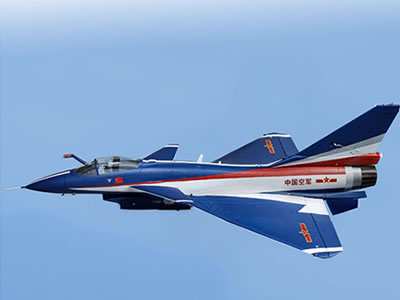
Intelligent Crop Monitoring: Explor...
Video Player is loading.
Pause

Unmute


Auto(360pLQ)

Intelligent Crop Monitoring: Exploring the Potential of Drone Technology in Agriculture
Plainly the trust was broken and love lost, having watched videos from Bruce and Tim the plane man my understanding is that even control line flying is dragged into this mess. You will read at the bottom of the letter below that Transport Canada does not want MAAC members moaning at them.

Transport Canada has asked that we handle all inquiries on this issue internally, so please contact your zone director with any questions so they can forward them appropriately.

This sort of pandering to TC is what has allowed MAAC to arrive at this place, members should be writing to their elected members of government and complaining. But it looks like its too late.

Here is the letter MAAC sent to members on the 25th of February 2023


Dear Member,

In the January 23 eBlast, we outlined a plan to reauthorize outdoor flying that was suspended in December on a site-by-site basis. By January 31, we had reauthorized over fifty sites. A few days later, on February 3, Transport Canada called a special meeting with MAAC’s Transport Canada Advisory Group and senior management. At that meeting, we were advised that our Exemption from Part IX of the Canadian Aviation Regulations (CAR) is no longer in effect due to breaches of exemption condition 3, sanctioning fields in controlled airspace without the required written agreements.

Transport Canada indicated that the written notification would be sent to us and initially asked us to wait until it was issued before making any MAAC-internal announcement. They also recognized that our recently reauthorized members might continue flying until MAAC was notified. Because of ongoing delays in processing the Transport Canada notification, we reached an agreement with them this week to notify our members.

Effective immediately, all MAAC members operating Remotely Piloted Aircraft Systems (RPAS) must comply with all Canadian Aviation Regulations, including CAR Part IX.

Since the February 3 call, MAAC and Transport Canada have been actively engaged in ongoing discussions to ensure our members can again enjoy the hobby responsibly under a new exemption. We are also working on ways to make life under Part IX as easy and flexible as possible for the members.
More information on legally flying RPAS in Canada can be found on the Transport Canada ‘Flying your drone safely and legally’ webpage.

What does this mean?

All MAAC members flying Remotely Piloted Aircraft Systems (RPAS) outdoors must now have a
minimum of a Basic Pilot certificate and comply with all Canadian Aviation Regulations, including CAR
Part IX regulations.
MAAC RPAS sites that are either indoor or have been issued a Site Operating Certificate may continue to fly. All outdoor operations must comply with all Transport Canada CAR Part IX regulations. New Site operating certificates will be issued reflecting Part IX restrictions.
Altitudes are limited to 400 feet above ground level (AGL), and higher altitude limits on either a Site
Operating Certificate issued this year or on Altitude Waivers issued last year are rescinded.
MPPD-15 Altitude Limit Policy is withdrawn.
Where RPAS flying can happen, so can events. We are still assessing what changes might be needed
for fun-flys and contests, and we will ensure that club executives are fully informed as soon as possible.
International RPAS operators are now required to obtain an RPAS Basic Pilot certificate and obtain a
Transport Canada Special Flight Operations Certificate (SFOC) to operate an RPAS in Canada.
The Canadian Aviation Regulations is a legal document that only uses the term RPAS and does not use ‘drone’. The Transport Canada website uses the word ‘drone’ in many of its pages and subsites. These terms are equivalent for MAAC purposes.

Read more…

How to install langding Gear for RC Jet


Things get slightly more complex when we move on to an accurate scale model. World War II fighters are popular builds; most are tail-draggers, and many have the gear arranged so the struts rake forward relative to the wing chord line when extended, and rake aft from the span line when retracted (Figure 2). Add the dihedral angle seen in the front view and it becomes difficult to visualize just how to fit the retract mechanism in the wing.

Let’s plan the retract installation for a hypothetical model with the strut raked forward 10º in the side view, raked aft 20º in the plans view, and perpendicular to a flat center section of the wing.

With the power of the CAD program, you can see how the gear installation will look after making any changes. All drawings will be of the left wing.

It is clear that you will have to tilt and rotate something to get the strut where it belongs. What happens if you tilt the entire mechanism 10º forward (clockwise) in the side view and rotate it 20º backwards (clockwise) in the plans view? That will create 20º of toe-in on the extended wheel, but you can fix that by twisting the strut 20º counterclockwise in the trunion. That gives the result shown in Figure 3.

Figure 3.


This may actually be acceptable, depending on the size of the tire and the thickness of the wing. Looking at the strut in the front view, you can see that there might be circumstances where the wheel would not retract completely into the wing. In the side view, the wheel is at quite an angle compared to the lower surface of the wing.

Now think about adding a cover door to the strut. It ought to be roughly parallel to the tire, but with this setup it will either be way out of alignment with the lower wing skin in the retracted position or angled to the slipstream when the gear is extended.

The full-scale aircraft manufacturers made numbers like these work so shouldn’t you be able to mimic that? Yes you can, with the following three-step procedure.

First, add the rake forward angle (extended) to the rake aft angle (retracted) and divide by two. In our example, [(10º + 20º) ÷ 2 = 15º], the mechanism—actually the pivot pin is the key item here—will be mounted in the wing rotated 15º clockwise in both the side and plans views.

The second step is to rotate the strut relative to the pivot pin. Subtract the rake aft angle (retracted) from the rake forward angle (extended) and divide by two. In the example, it is (10º - 20º) ÷ 2 = -5º

Figure 4.


The negative sign means the strut is rotated 5º counterclockwise in the side view. In other words, you need to put a “kink” in the strut. This kink may be the hardest part of the installation to implement and I’ll give some ideas on how to do it. Figure 4 is an exploded view that shows two ways of making the kink.

The third step of the procedure will be to calculate the required retraction angle. In the example, you can see it should be greater than 90º. Or the opposite can happen. When I built my Ki-61 Tony, the retraction angle needed to be less than the 90º built into the mechanism. I was unable to fudge it and got downgraded at every meet I entered because the strut was not at the proper angle with respect to the lower surface of the wing.

I had to splay the strut outward, otherwise the retracted wheel would have popped through the upper wing skin!

You can find the required retraction angle using solid geometry, trigonometry, and an $11 scientific calculator. First, calculate the distance between the lower end of the strut in the extended and retracted positions. Then plug this number into the Law of Cosines to calculate the retraction angle.

This is only a “first approximation,” because it does not consider the kink angle. In the example, the correct angle is approximately half a degree larger. This is insignificant given the tolerances in the building and the manufacture of the gear mechanism. See the sidebar for these calculations.

Commercial retracts are available with retraction angles varying in 5º increments. The sidebar calculation determined that about 94º of retraction angle was needed, so let’s install a 95º unit.

In the previous example it was necessary to rotate the strut in the socket of the trunion to avoid a huge amount of toe-in on the wheel. That must be done again, but you have two ways to do this. You can either rotate the strut on the kink, or rotate the kink in the trunion.

The better way is to fix the strut to the kink and rotate this assembly in the trunion. This will keep the strut vertical in the front view.

Figure 5.


Figure 5 shows the installation if you use a 5º kink and rotate the mechanism 15º clockwise in both the side and plans views. This is essentially what you set out to achieve. The only deviation is that the strut is raked a bit too far in the plans view. I’m reasonably sure this is because of the 95º retraction angle where the method’s geometry is based on a 90º angle.

The installation may still not be exactly as the full-scale gear. To match the full-scale geometry you would have to have the point where the strut intersects the pivot pin at the same relative location in the wing as on the full-scale. This may not be possible given the relationship of the strut socket, pivot pin, and height of the model’s retract mechanism.

This could also make the gear door geometry even more challenging. I can only suggest some finessing and finagling to fine-tune the installation to meet your standards.

As mentioned, making the kink in the strut may be the biggest challenge in this project. On a small model with 5/32- or 3/16-inch wire gear, it is only necessary to bend the wire that inserts into the trunion.

I did this on a Hurricane, but unfortunately, the wire would bend on rough landings and I would have to remove it and adjust the bend angle. I suspect the wire lost its temper when I soldered washers on the kink to set the length of insertion into the trunion and strut.

The retract mechanism in my 86-inch span Ki-61 was set up for a 1/2-inch diameter strut. The strut itself was hollow tubing. I used some 1/2-inch aluminum bar stock to make a fitting such as the one shown in Figure 4. First, I made a fixture (see Figure 6) from a piece of 1-inch hex stock.

Figure 6.


I drilled a 1/2-inch hole in the face of a short length of stock, but at a 5º angle. (The kink for the Tony’s gear also worked out to be 5º, but 5º forward.) A piece of the aluminum bar stock roughly 1-inch long was inserted to half its length in the fixture and held with a set screw.

The fixture was mounted in the three-jaw chuck of my mini-lathe and the exposed portion of the aluminum turned down until it would just fit inside the strut. The axis of this necked-down portion is rotated 5º from the axis of the 1/2-inch diameter section. When the parts were as well aligned as I could get them, I drilled the strut, kink, and trunion for bolts to hold them together.

I hope this technique will save you some frustration and yield a more accurate model on your next scale build.


Read more about main landing gear strut rake angles and how to calculate retraction angles on page 37 in the August issue of Model Aviation and in the tablet app.

Share your tips or experiences installing retractable landing gear.

Read more…